More Than a Job: What It Means to Walk Alongside Our Elders By Anastasia Thiele-Scheele
Cama'i!
There's a moment that happens sometimes in my work as Tribal Clerk — I'll be sitting across the table from an Elder, helping sort through a stack of paperwork that feels overwhelming to them, and somewhere between the forms and the questions, the conversation turns. They'll tell me a story about growing up in Seward, or about a relative I never had the chance to meet, or simply ask how my week has been. And I realize, again, that this is not just a job. It's a relationship. It's family.
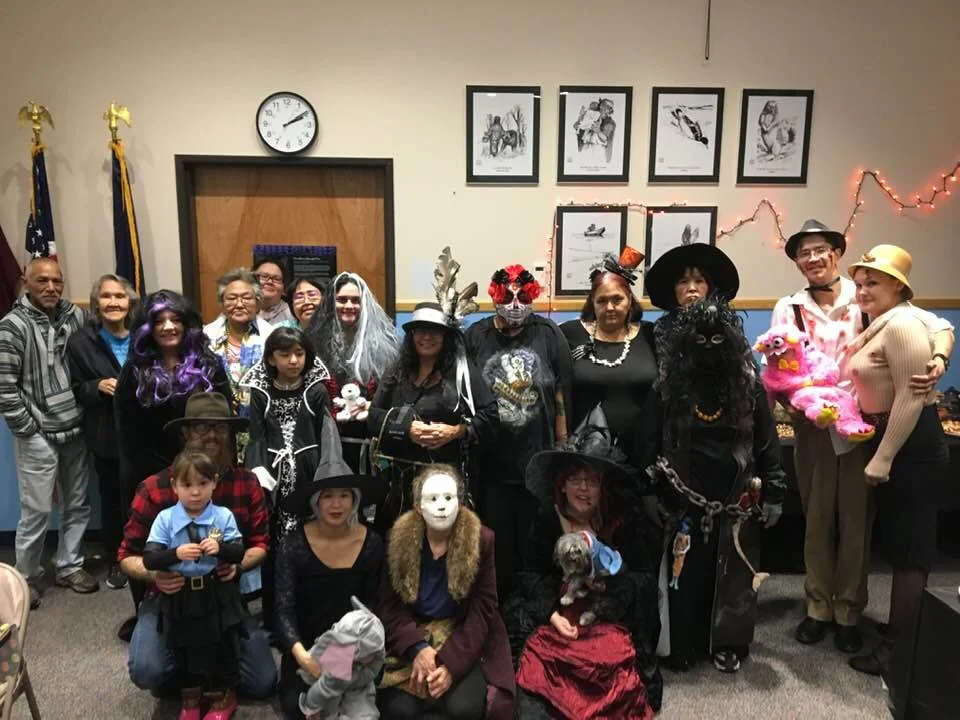
Some of my favorite moments happen farther from my desk. When I'm out running errands with our Elders, we'll sometimes grab a little something on the way -perhaps a coffee. It's such a small thing, but it's one of the ways those errands become more than just tasks. Even a quick stop can turn a to-do list into time well spent together.
On paper, my role involves administration, correspondence, and assisting with community programming. In practice, it often means driving an Elder to the store, sitting with them while we work through a benefits application, or simply checking in because I know they're navigating something hard. These aren't line items in a job description. They're the moments that build trust — and trust is the foundation of everything Qutekcak Native Tribe does. I don't say this to center myself. I say it because I know I'm not the only one doing this work, and I know our Elders give us so much more than we could ever give back. The bonds formed in these small, ordinary moments — a ride, a form, a shared cup of coffee — have added a kind of richness to my life that I didn't expect when I started this role. It is an honor every time.
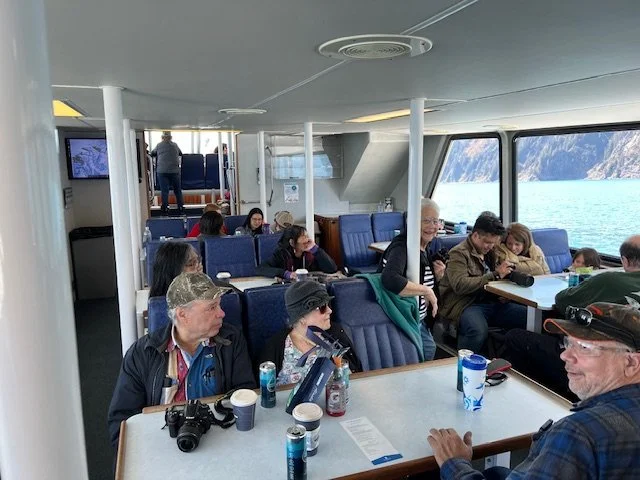
It can weigh heavily on the heart, knowing how many of our Elders live on limited incomes and quietly worry about the rising cost of food. Food security isn't a distant policy issue for us — it's something we see and feel in real conversations, week after week. I recently had the opportunity to help an Elder get approved for two additional assistance programs to help offset those rising costs, and I can't fully describe what it means to be part of that kind of relief. To see some of that daily weight lifted, even a little, is one of the most meaningful parts of this work.
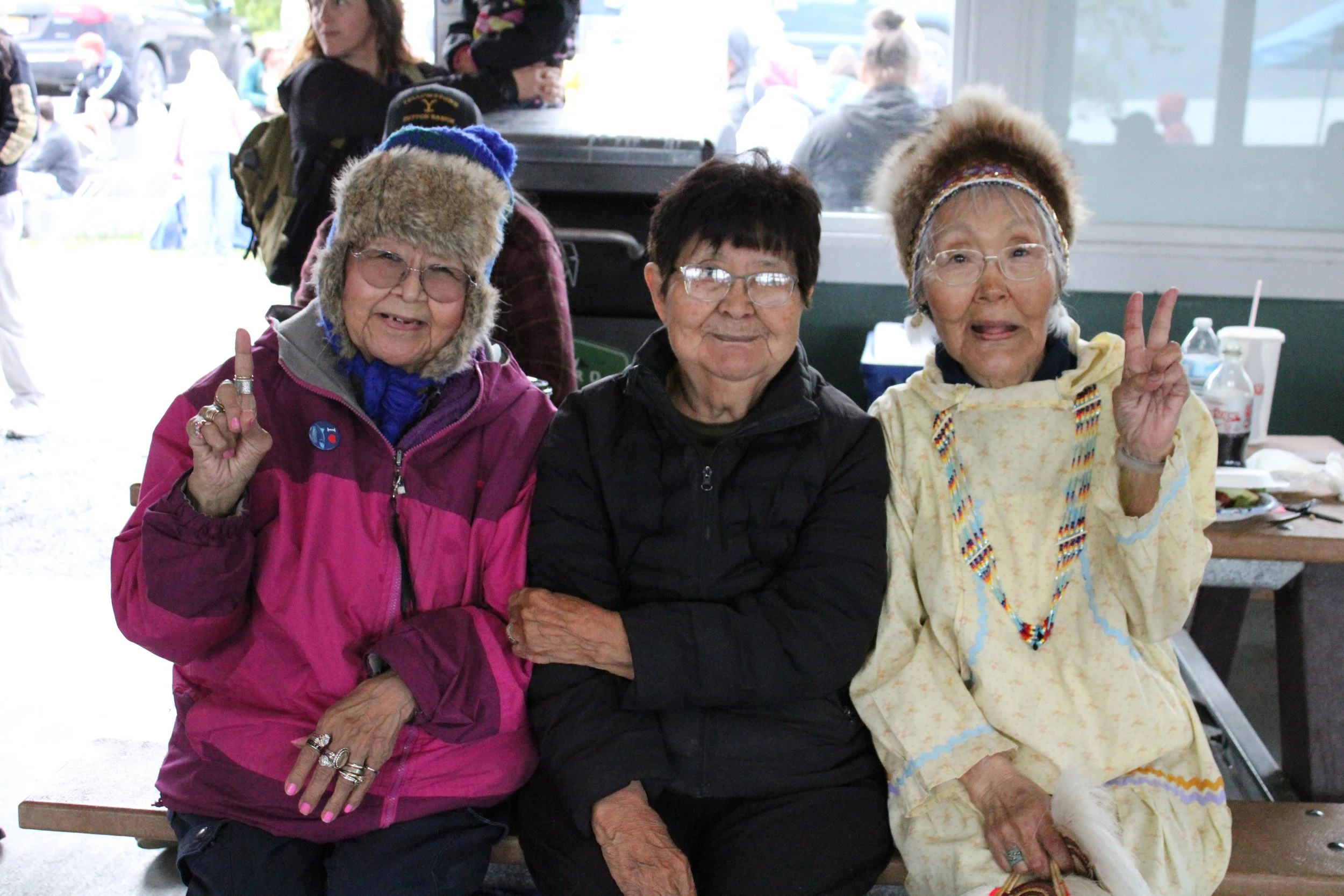
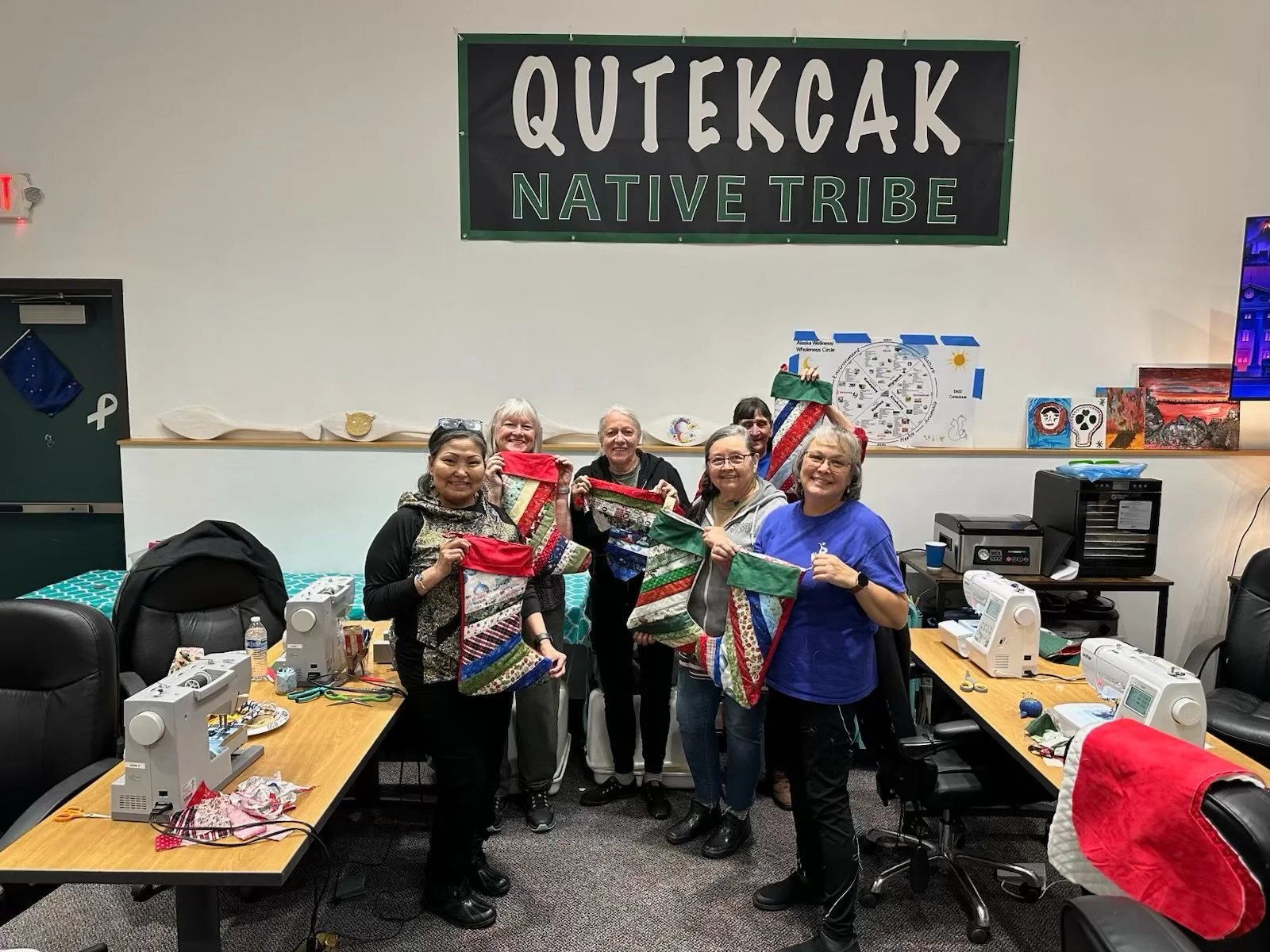
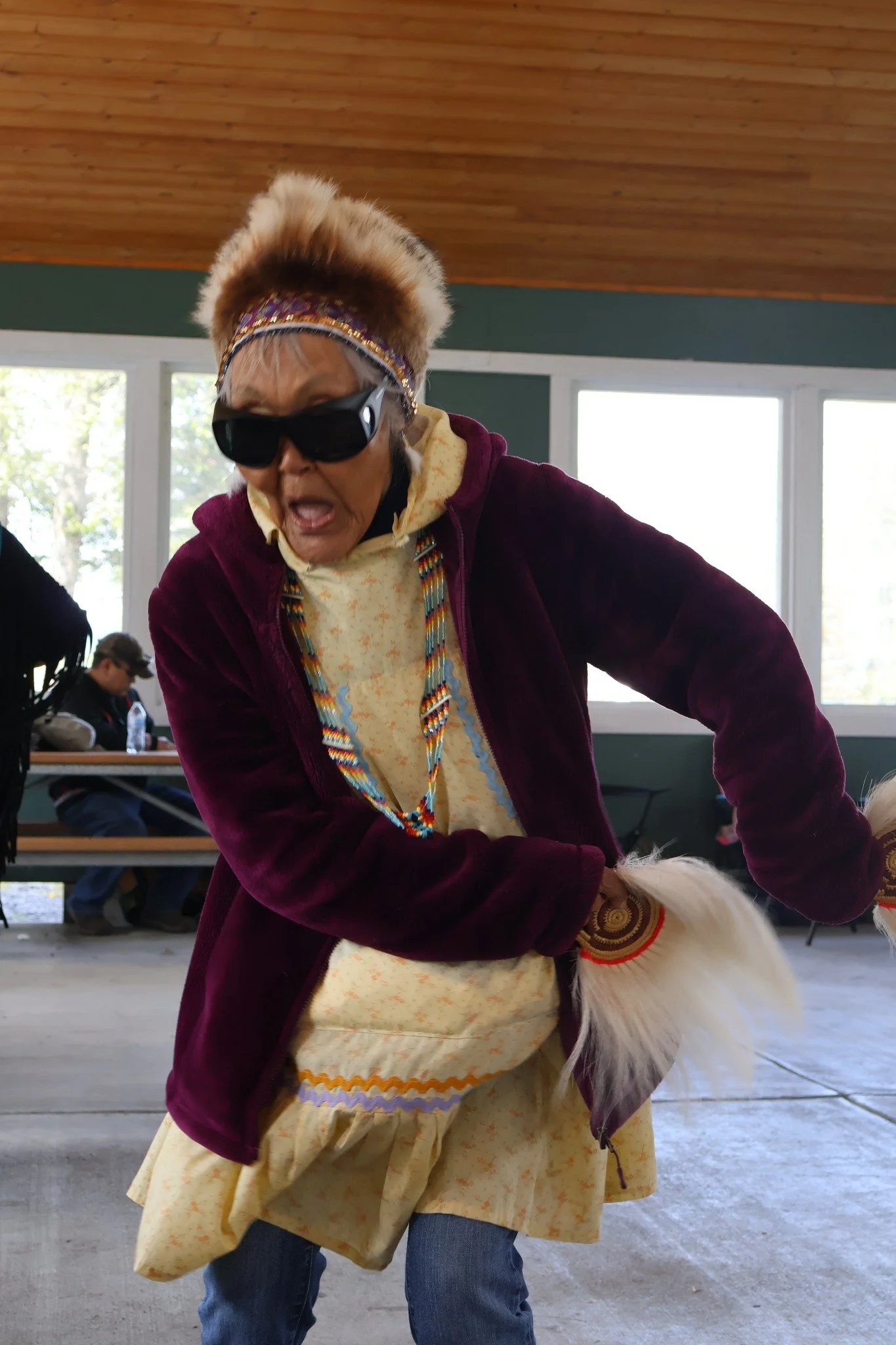
Alongside these everyday needs, our Elders and our youth are at the heart of our cultural programming. Art workshops bring Elders and community members together to share traditional skills like carving, kuspuk and headdress sewing, and beadwork — spaces where Alaska Native elders, who can be far from family and culture, feel less isolated through culturally relevant activities. Our youth carry these traditions forward too, whether through hands-on time alongside Elders in the workshops or through programs like our robust Native Youth Olympics program, where cultural pride and physical discipline come together to build the next generation of leaders. And right now, that same commitment to honoring our Elders and our history is carrying forward into our Jesse Lee Cemetery Memorial Project, currently in its next phase: the carving and installation of traditional Alaska Native totem poles at the memorial entrance. It's a project built on remembrance, culture, and community generosity, and it's one more example of how our people continue to show up for one another and for those who came before us.
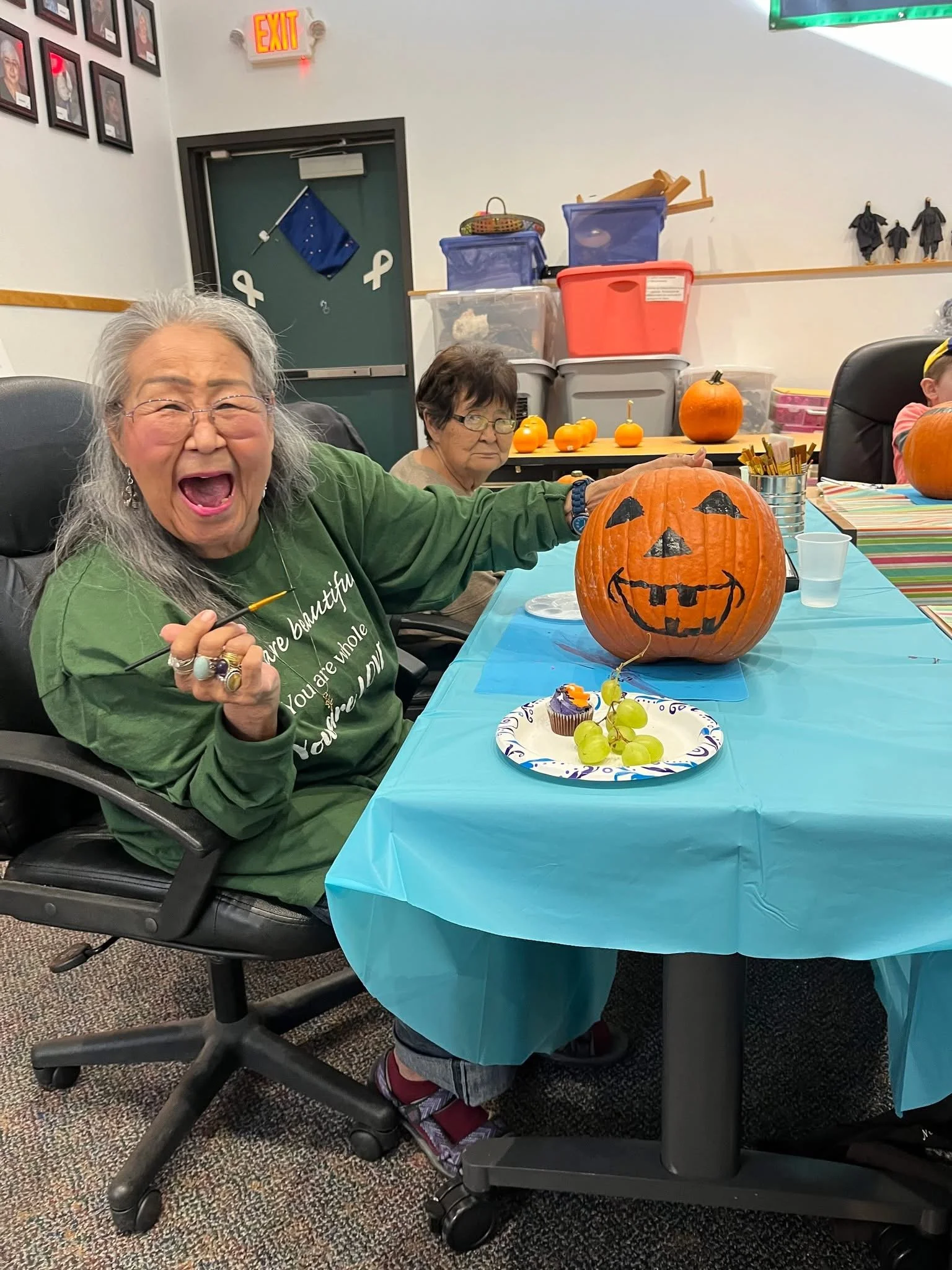
This spirit isn't unique to my corner of the office — it's woven into how Qutekcak approaches community care more broadly. Our senior services exist for exactly this reason: to make sure our Elders aren't navigating daily life, medical needs, or isolation on their own. We also run youth programs and are involved in other local health and well-being initiatives — each one built around the same idea, that no one in our community should have to face challenges alone. Even something as simple as the new Community Health Vending Machine now outside our office, offering free health and wellness essentials to anyone who needs them, reflects that same commitment — meeting people where they are, without barriers.
None of this happens by accident. It happens because our staff, our Council, and our community show up for one another, day after day, in ways big and small.
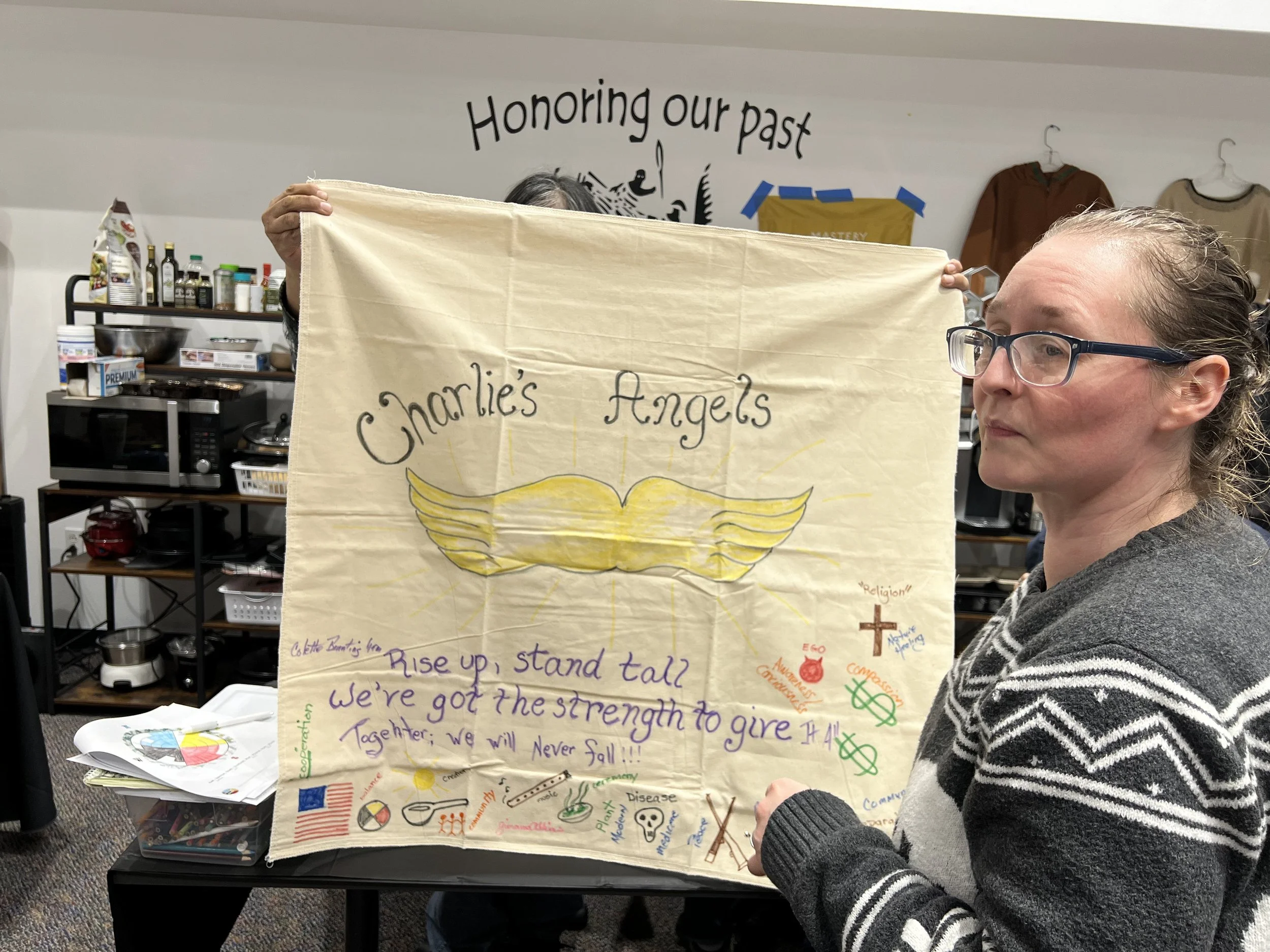
This is what community impact actually looks like up close — relationships that deepen over years, built one small act of care at a time.
If you're part of our Seward community and haven't yet found a way to get involved with Qutekcak Native Tribe, we'd love to have you — whether that's volunteering your time, joining us at a community event, or simply learning more about the work we do. Every bit of involvement strengthens the web of care that holds our community together.
Quyanaa for being part of this with us.
— Anastasia