2021 — Finding the Children: Where the Jesse Lee Cemetery Story Began
2021 — Finding the Children: Where the Jesse Lee Cemetery Story Began
Every restoration begins somewhere.
For the Jesse Lee Home Cemetery, it did not begin with equipment, construction, or a memorial.
It began with questions.
Who were the children?
Where were they buried?
How many graves had been forgotten?
Were there families who still did not know where their loved ones had been laid to rest?
And how much of this history had disappeared simply because no one had yet put all the pieces together?
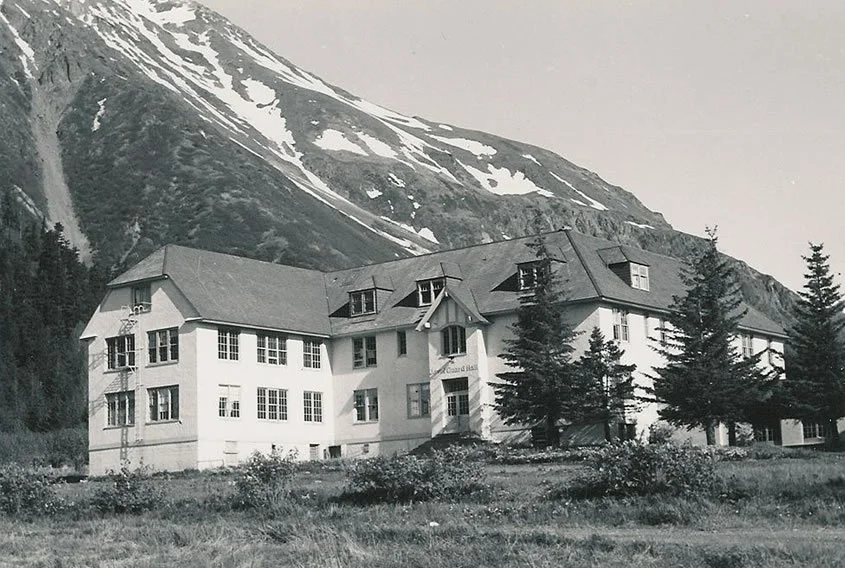
In 2021, Qutekcak Native Tribe began an independent investigation into the history of the Jesse Lee Home children who died while living in Seward.
That research would become the foundation for everything that followed.
Looking Beyond the Existing Memorial
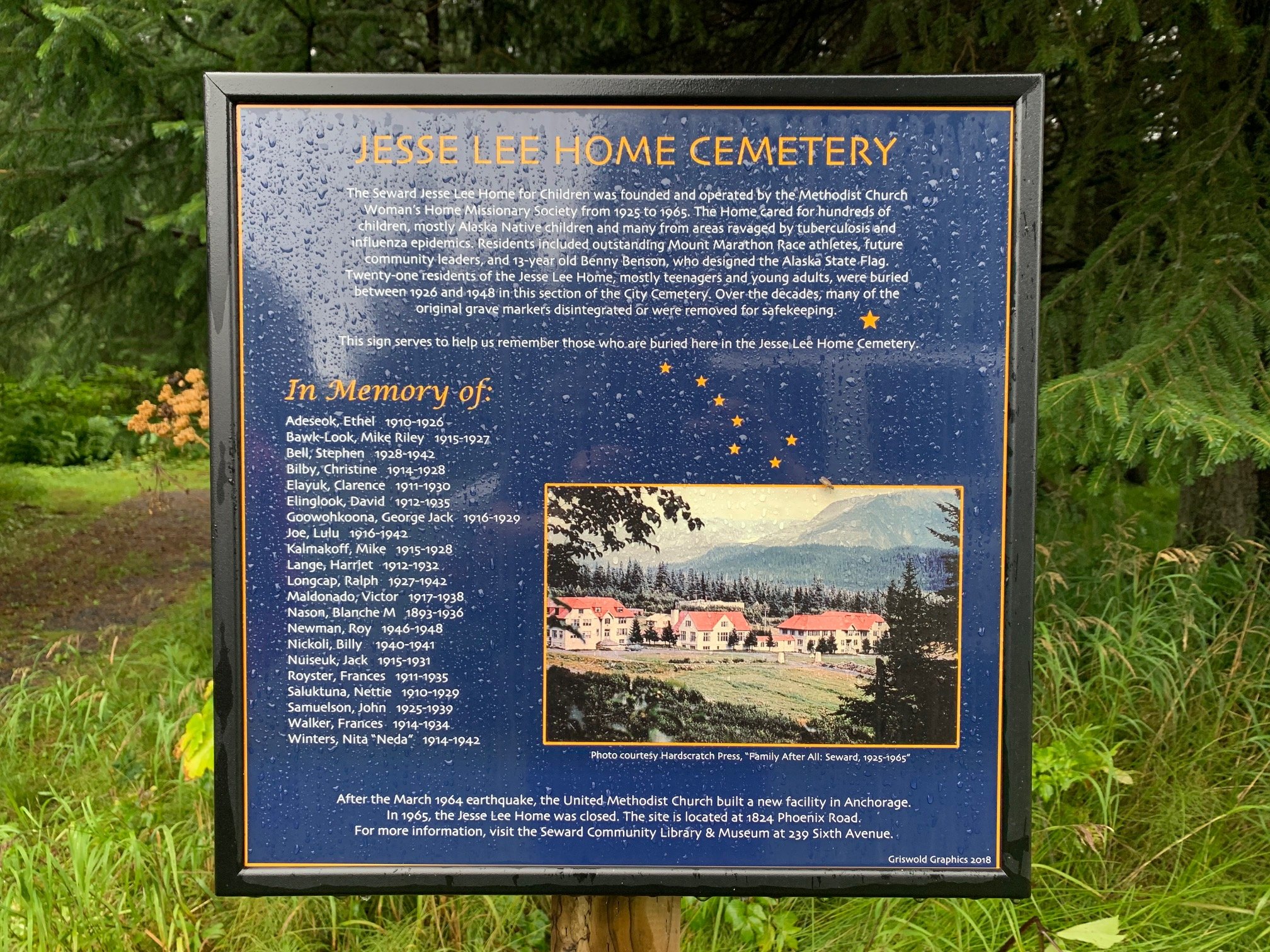
Outside the Jesse Lee Home Cemetery stood a memorial plaque identifying individuals connected to the Jesse Lee Home.
But Qutekcak Native Tribe wanted to know more.
The plaque stated that mostly teenagers and young adults had been buried between 1926 and 1948. QNT began looking independently at children who died in the Seward area during the broader period when the Jesse Lee Home was built and operating.
The questions quickly became larger than what could be answered by a single plaque or cemetery list.
Researchers began examining historical records from multiple sources, including death records, cemetery records, census information, Bureau of Indian Affairs records, historical references, and material from Family After All: Alaska JLH, Volume II.
Each record offered another clue.
A name.
A date.
A burial location.
A family connection.
Sometimes only a fragment.
But fragments, when carefully brought together, can begin restoring a story.
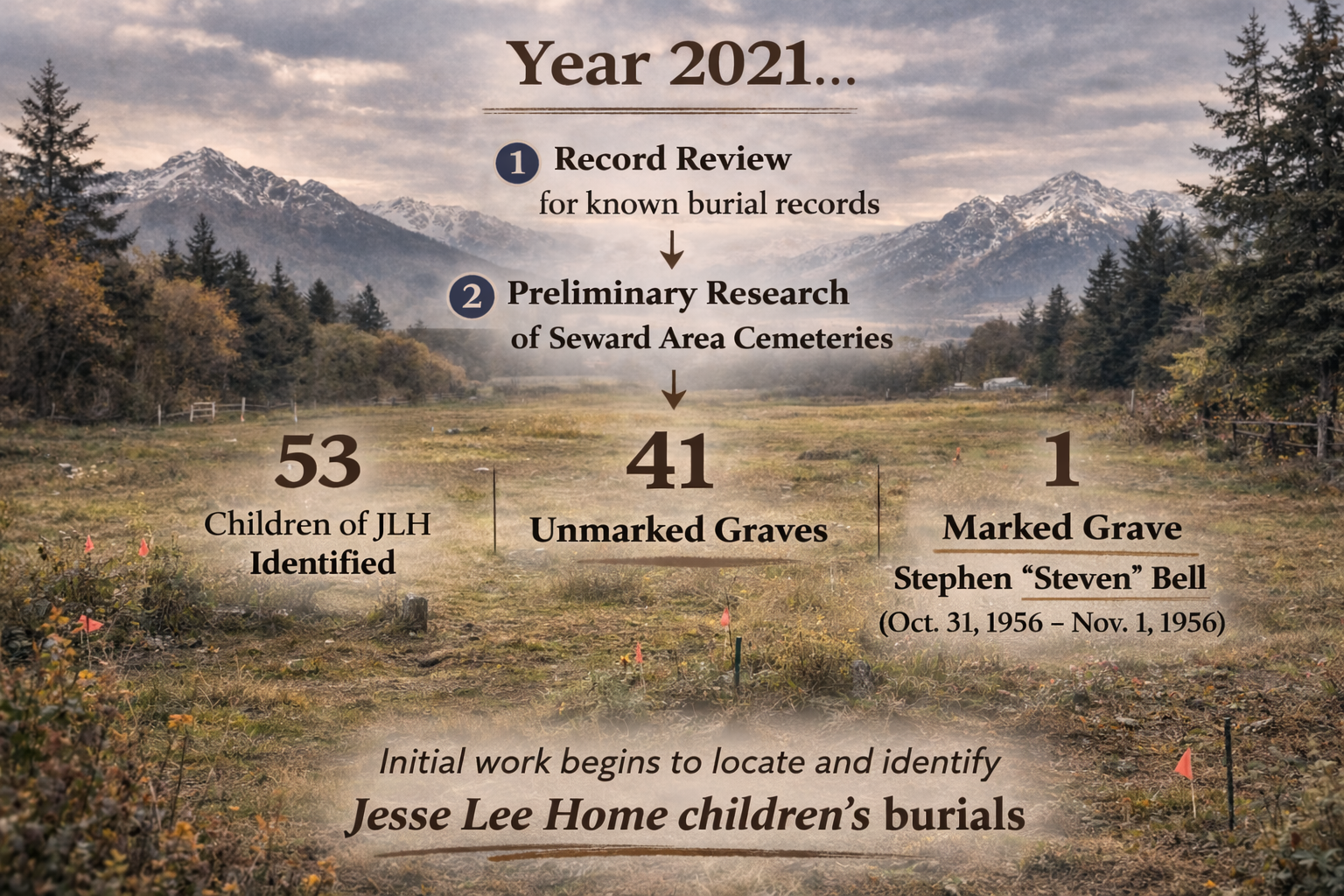
Thirty-One More Children
The research produced a discovery that changed the scope of the project.
Qutekcak Native Tribe identified 31 additional children who had attended the Jesse Lee Home and died while in the care of the orphanage.
Their names were not simply additions to a list.
They were children whose lives deserved to be remembered.
And once those names were collected, another problem became clear.
For many of them, very little information was immediately available beyond a name, birth date, and death date.
That was not enough.
A child is more than a date on a record.
More than a cemetery entry.
More than a line in an archive.
They belonged to families.
They came from communities.
They had histories that existed before the Jesse Lee Home.
And Qutekcak Native Tribe began working to recover as much of those histories as possible.
Finding the Person Behind the Record
Research into historical Native records is rarely simple.
Names may have been recorded incorrectly.
Government-issued names and family names may have been completely different.
Spellings could change from one record to another.
Documents could contain only partial information.
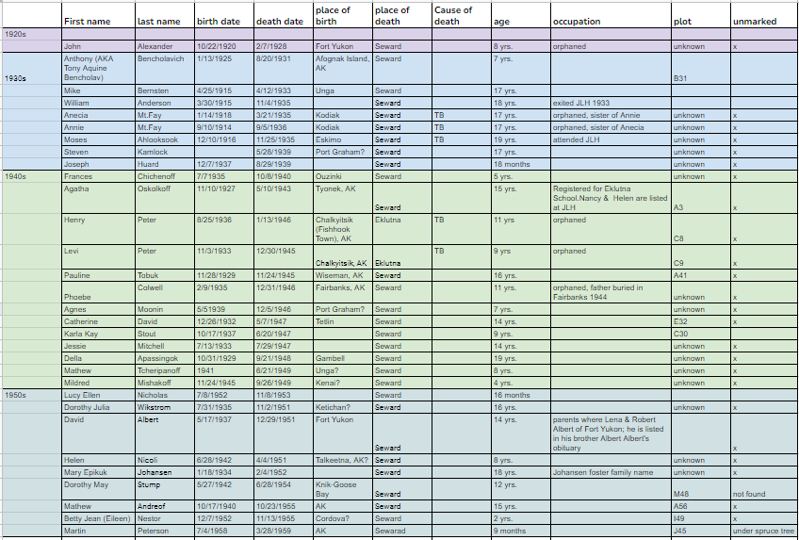
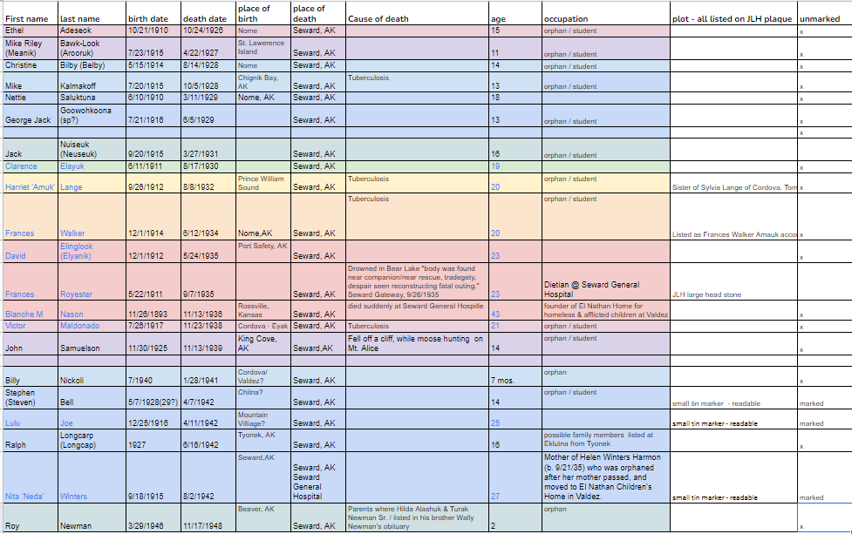
QNT began gathering details wherever they could be found, including:
First and last names, including government-issued names and family names
Places and dates of birth
Places and dates of death
Causes of death
Ages at the time of death
Occupations or other identifying information
Connections to family or ancestral lands
Burial plots
Information indicating whether graves were marked or unmarked
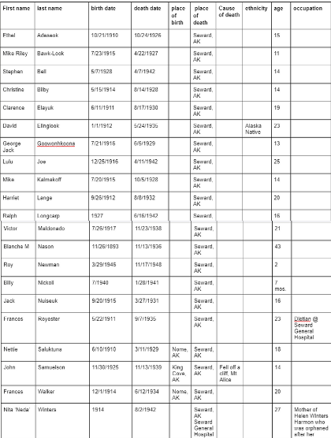
The purpose was not merely historical documentation.
It was about trying to identify these children as fully as possible and, when possible, locate their families and tell them where their loved one was buried.
When Families Cannot Find Their Loved Ones
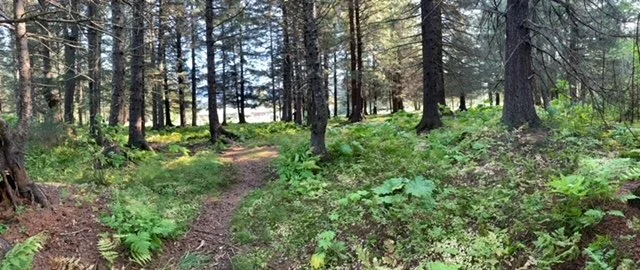
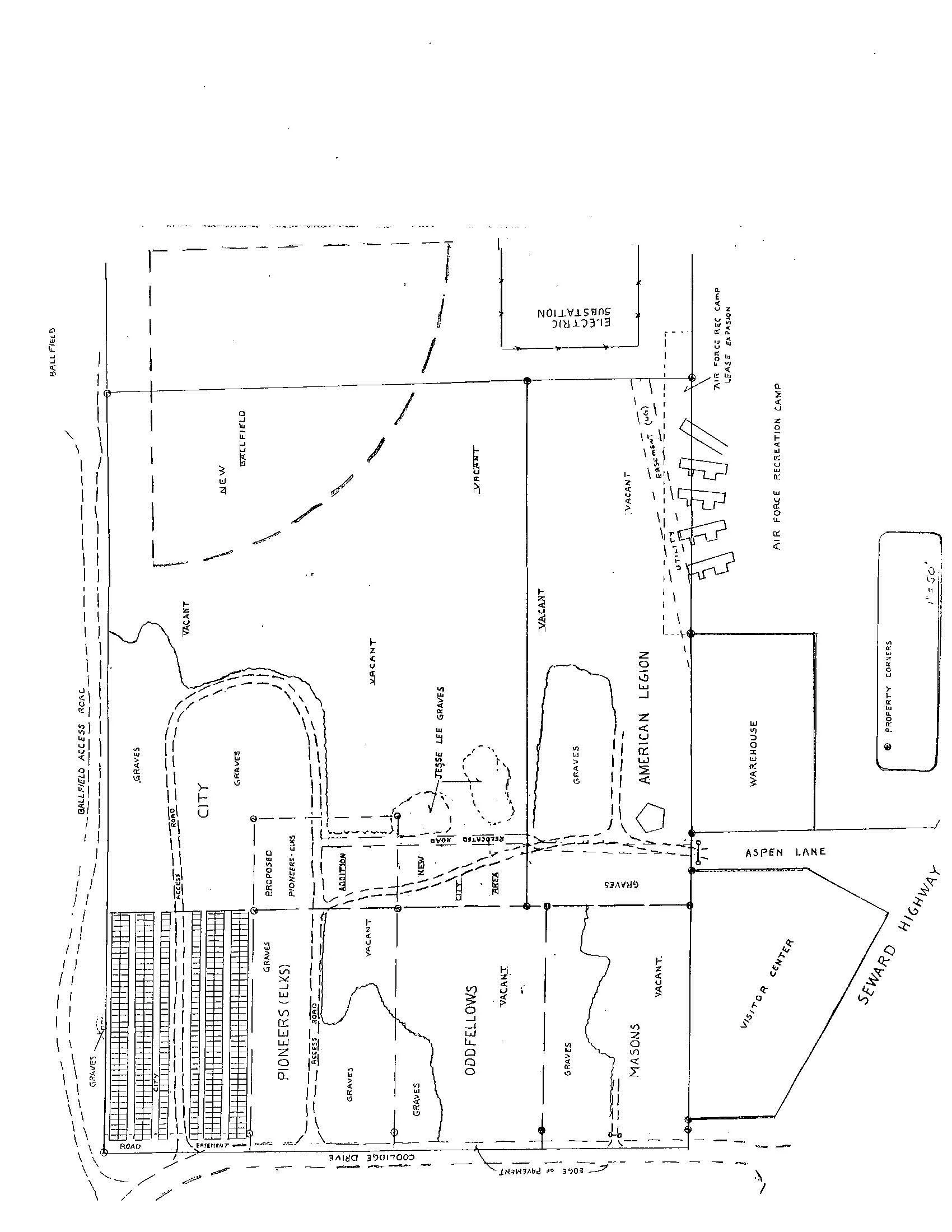
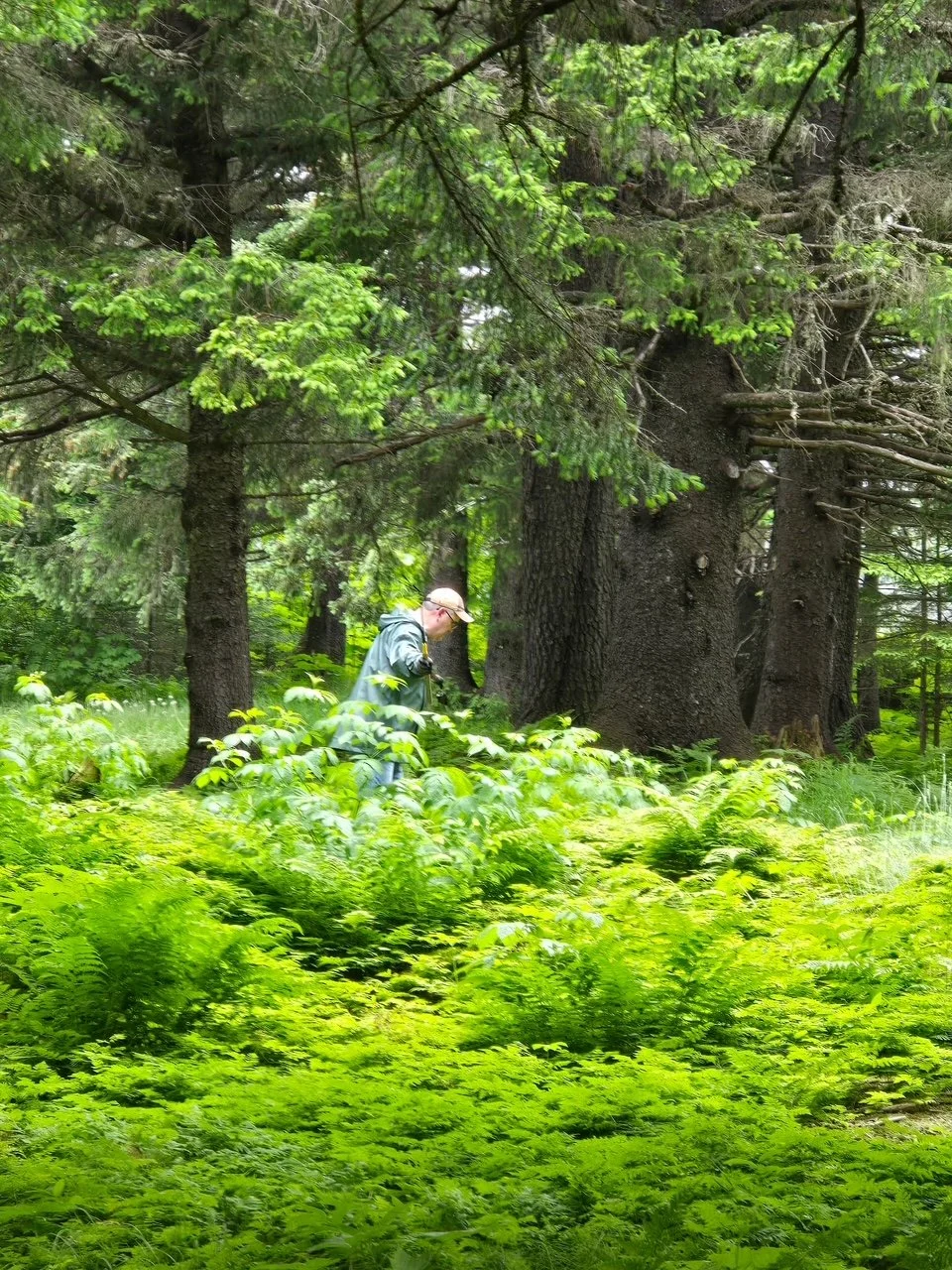
Over time, the Jesse Lee Cemetery had become heavily overgrown.
Years of vegetation and weather had concealed portions of the grounds.
Graves that may once have been visible were no longer easily identifiable.
For some families, finding the resting place of a loved one had become difficult or impossible.
The project presentation captures that reality simply:
Families could no longer find their loved ones.
Many graves were no longer visible, hidden by time and overgrowth.
Before QNT could restore the land, it first had to understand who was there.
That is why the research mattered.
Building a Foundation for What Would Come Next
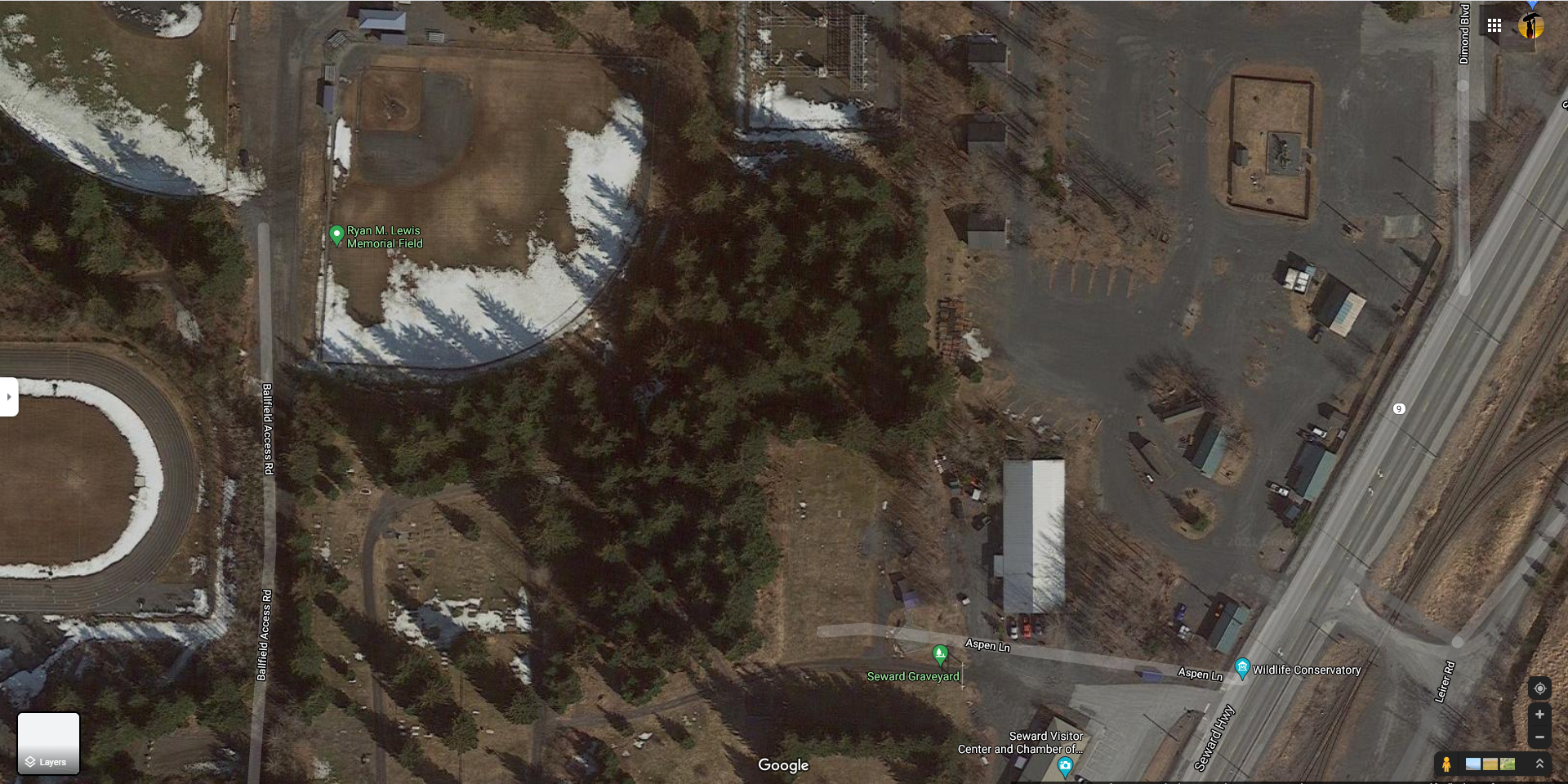
Historical cemetery and burial records obtained through the Kenai Peninsula Borough Archives and USGenWeb became another important part of that work.
These records helped confirm names and early burial locations, provide dates of birth and death when available, identify marked and unmarked graves, and cross-reference information found in city, church, and cemetery records.
Those records became a foundation for the mapping, preservation, descendant research, and physical restoration that would follow.
Because before you can protect a grave, you must know it is there.
Before you can tell a story, you must recover it.
And before a family can be reunited with a piece of its history, someone has to begin looking.
This Was the Beginning
In 2021, much of the physical work still lay ahead.
There would eventually be brush clearing.
Grave recovery.
Metal detecting.
Mapping.
Ground surveys.
Continued research.
Community gatherings.
Memorial planning.
And years of restoration.
But all of it began here.
With records.
With names.
With questions.
And with a decision that these children deserved more than to remain hidden in old documents and forgotten ground.
The goal of the Jesse Lee Home Cemetery work would grow into something much larger: identifying graves, contacting family members, and creating a lasting memorial.
But in 2021, the first responsibility was simple.
Find them.
Find their names.
Find their records.
Find their stories.
Find their families.
And begin returning to these children something time had taken away:
their place in our collective memory.
They mattered then.
They matter now.
This is Part One of “They Mattered Then. They Matter Now: The Jesse Lee Cemetery Story.” series. In the next installment, we move into 2022, when research became hands-on restoration and volunteers began reclaiming the cemetery grounds from decades of overgrowth.