2022 — Reclaiming Sacred Ground: The Restoration Begins
2022 — Reclaiming Sacred Ground: The Restoration Begins
In 2021, the work began with names.
Records were reviewed. Children were identified. Questions were asked about where they had been buried and whether families knew where their loved ones rested.
In 2022, the work moved from the archives to the land.
It was time to begin uncovering the Jesse Lee Home Cemetery itself.
And what volunteers found was a place that had nearly disappeared beneath years of growth.
Hidden Beneath the Overgrowth
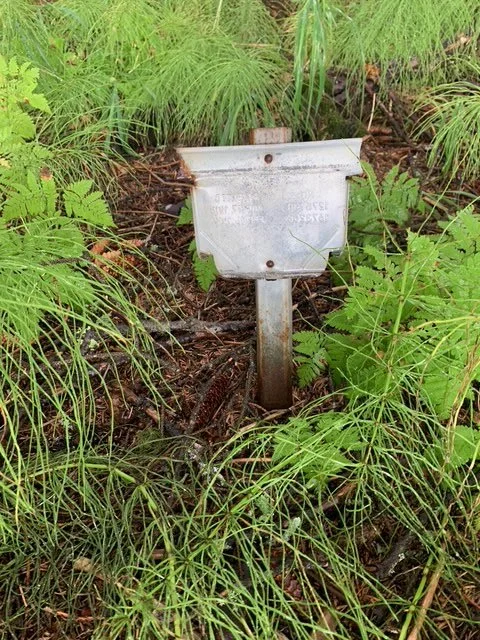
Time had changed the cemetery.
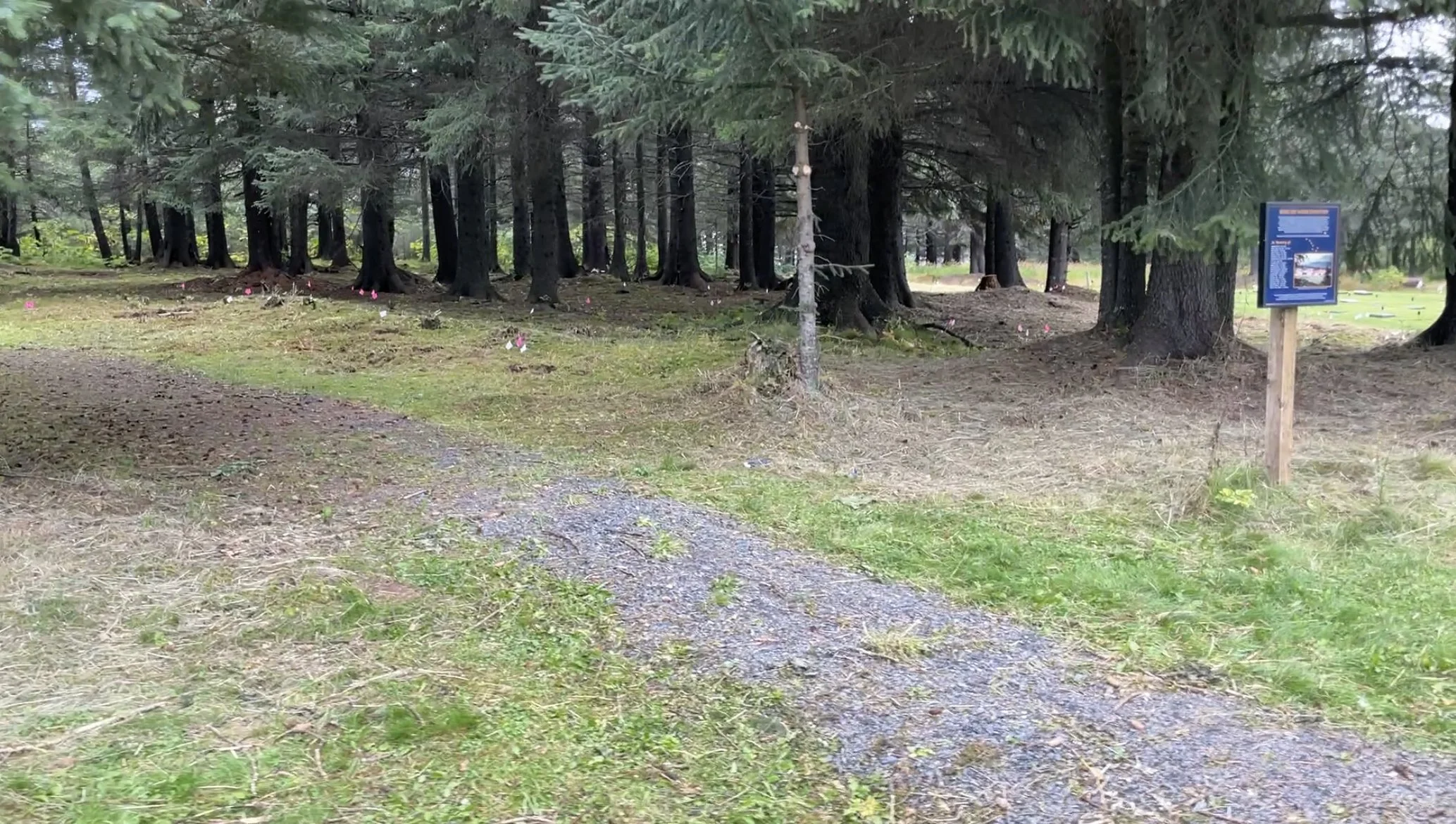
Brush, weeds, fallen limbs, roots, and vegetation had overtaken much of the property.
Graves that may once have been visible were difficult to identify.
Paths had disappeared.
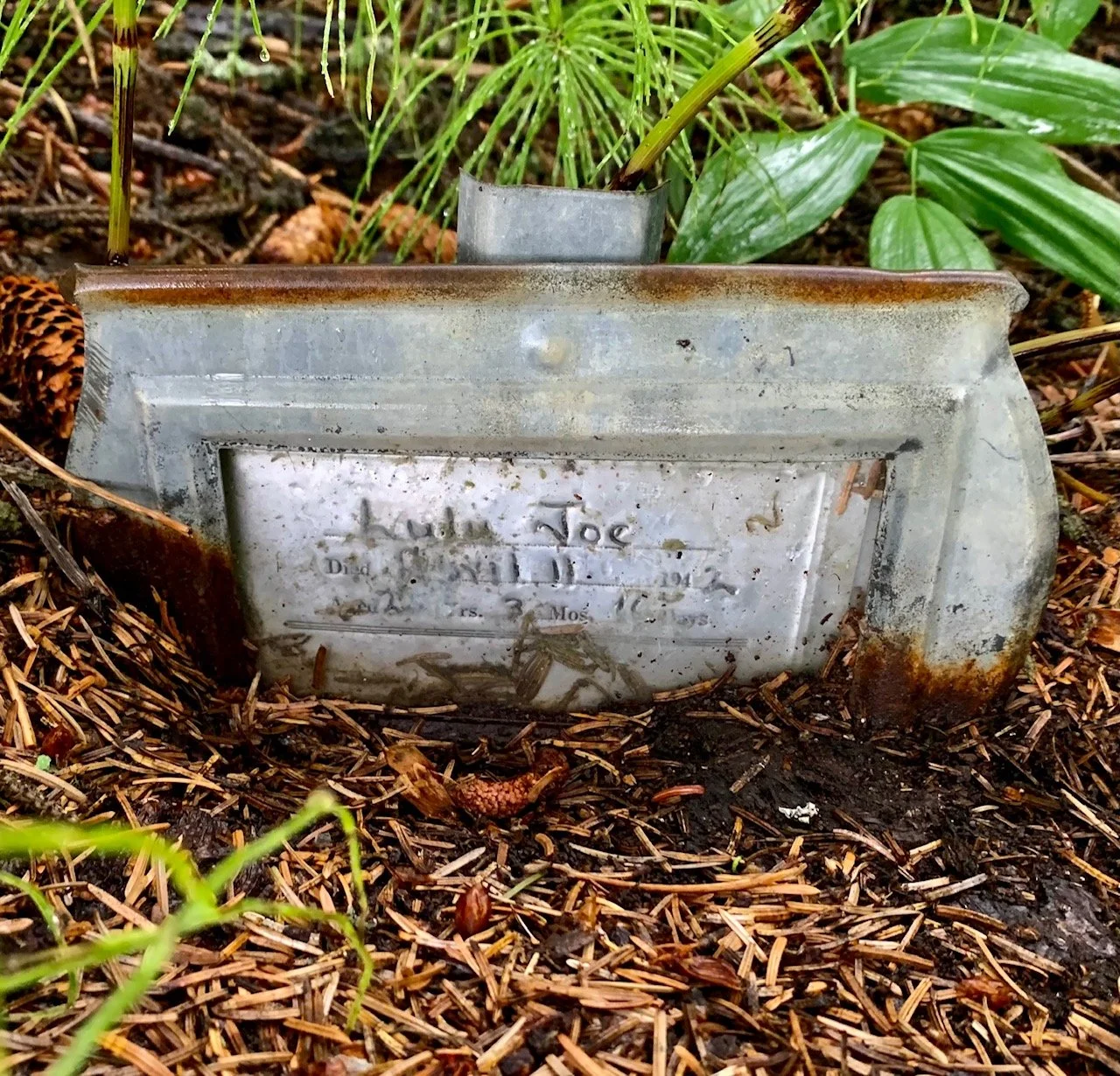
Markers had become buried.
The land itself had begun concealing the history beneath it.
The reality was heartbreaking:
Families could no longer easily find their loved ones.
Many graves were no longer visible, hidden by years of weather and overgrowth.
So Qutekcak Native Tribe and community volunteers began the physical work of bringing the cemetery back into view.
Not to disturb it.
Not to erase what time had done.
But to carefully and respectfully restore dignity to a sacred resting place.
The First Cleanup
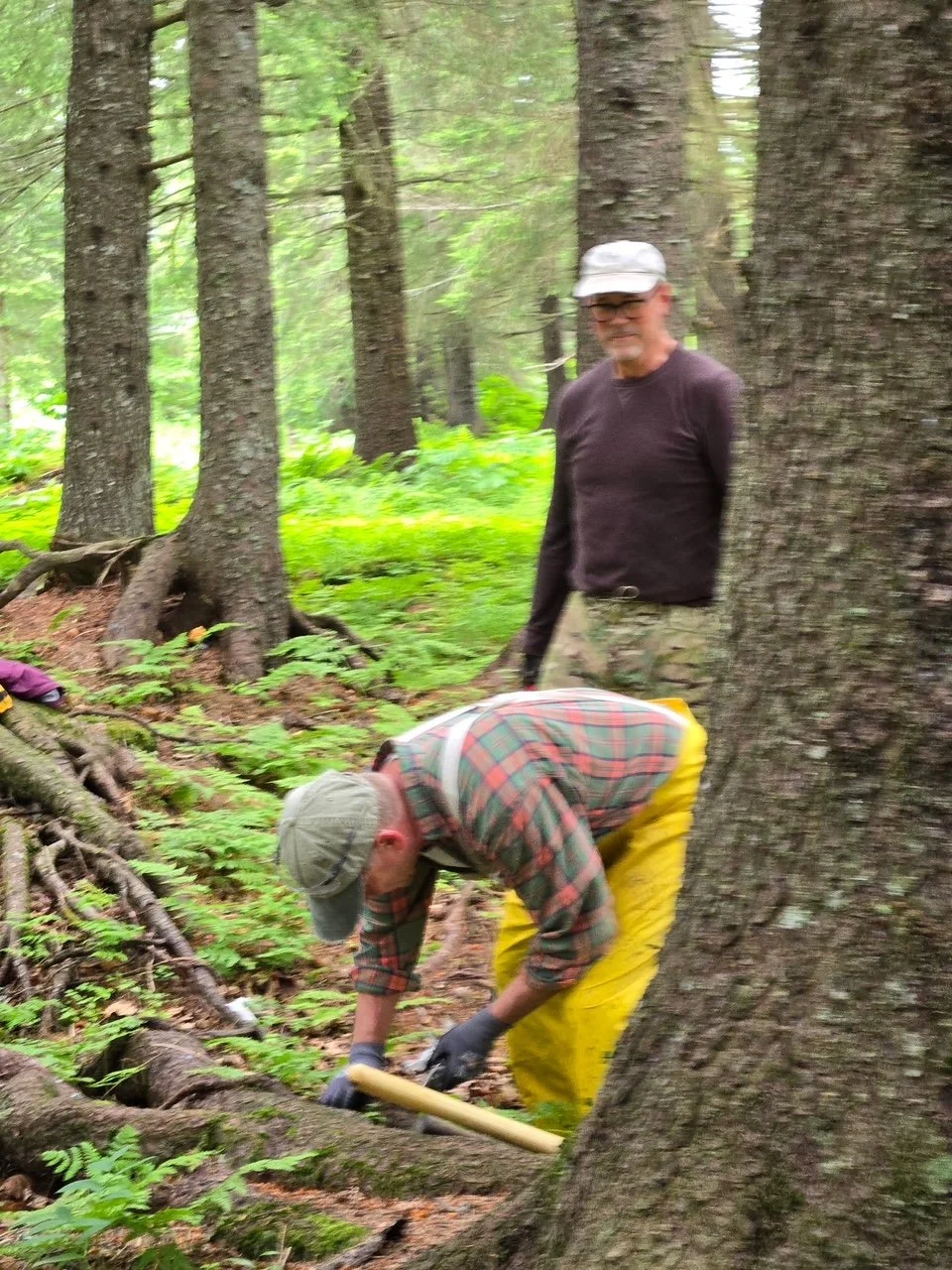
The 2022 phase centered on cleanup and grave recovery.
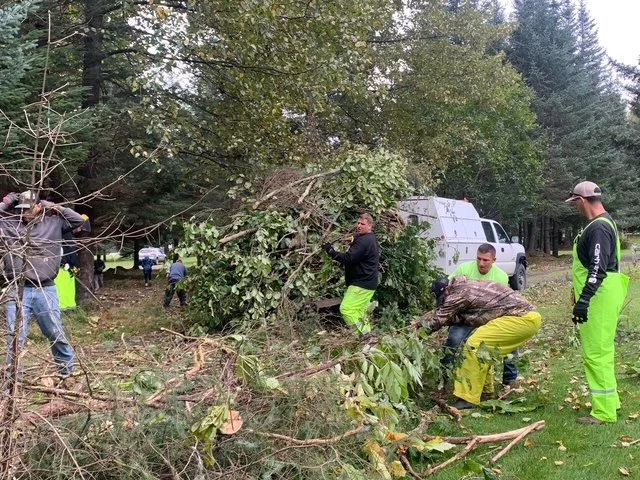
Volunteer crews began removing vegetation, clearing brush, hauling debris, and looking carefully for evidence of graves and grave markers that had become hidden beneath the ground.
This was difficult work.
Every step had to be approached with care.
This was not simply an abandoned piece of property being cleared.
These were burial grounds.
Children rested here.
Every mound, stone, depression, and buried object had the potential to matter.
Finding What Had Been Lost
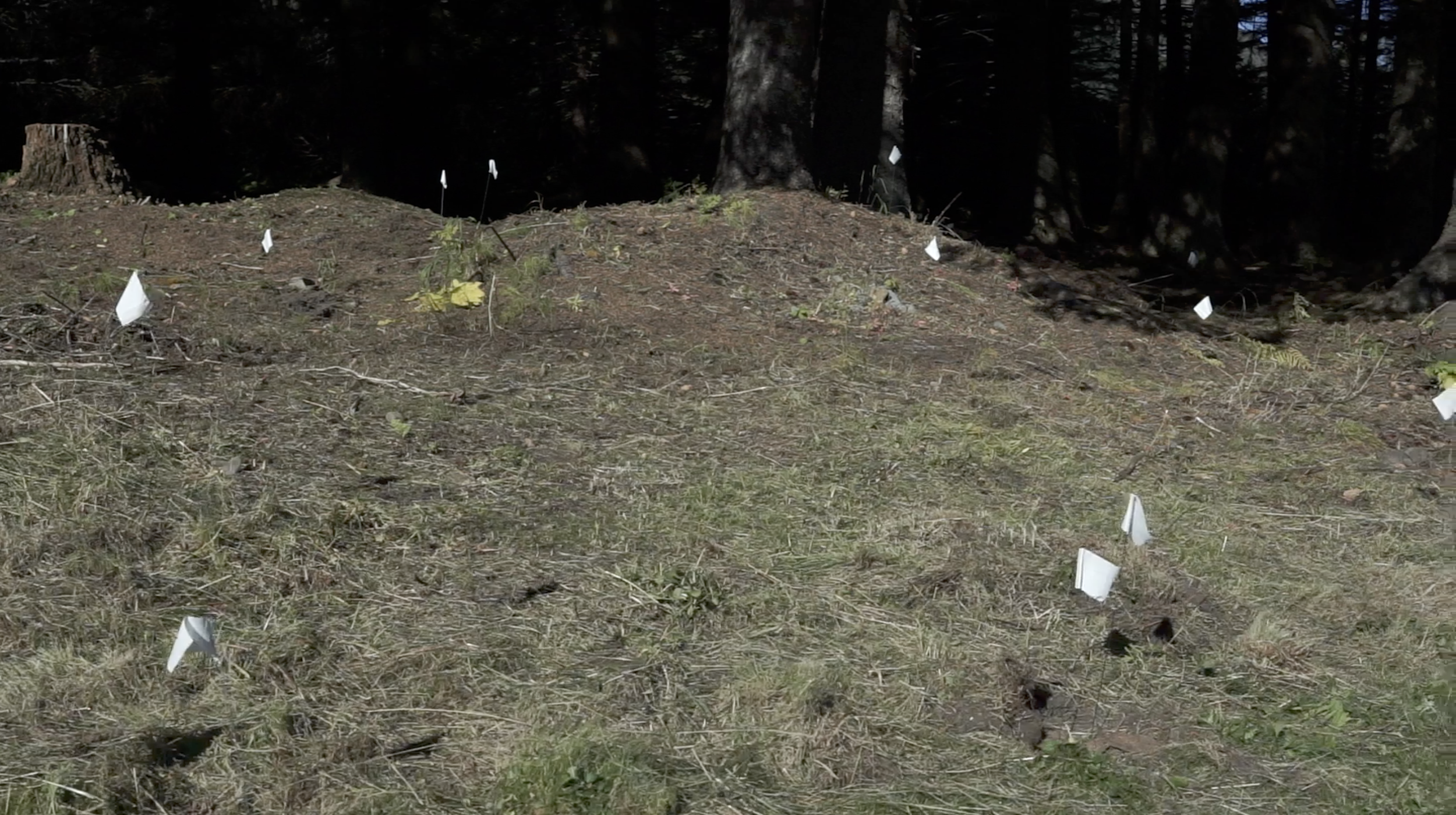
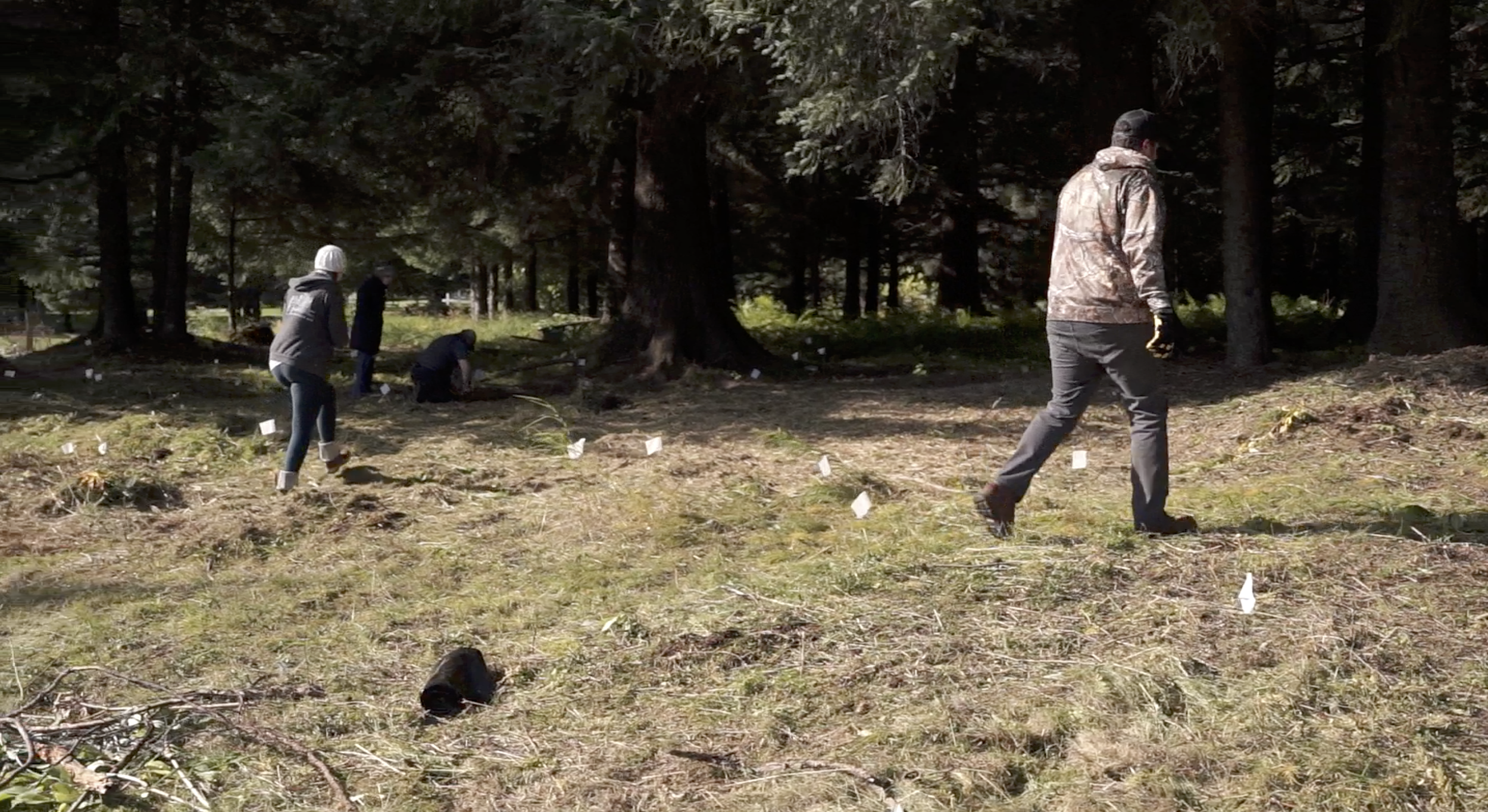
As the cleanup progressed, tools were used to help identify areas that might contain grave markers.
Deep-scan metal detectors helped crews locate buried markers, including grave markers found approximately six inches beneath the earth.
Volunteers marked locations where possible grave markers were detected so those areas could be documented and protected.
Slowly, pieces of the cemetery began to reappear.
Markers emerged.
Burial areas became more visible.
The ground began telling a story that decades of overgrowth had nearly hidden.
The Scale of the Work
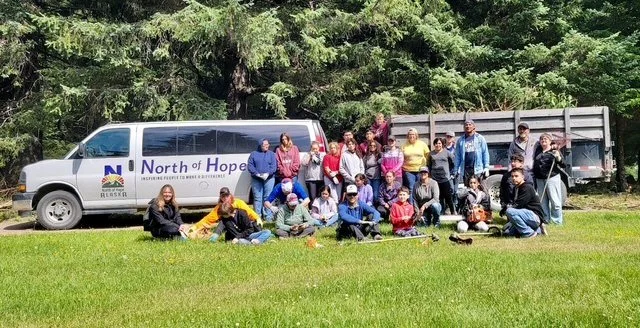
The amount of vegetation covering the cemetery was significant.
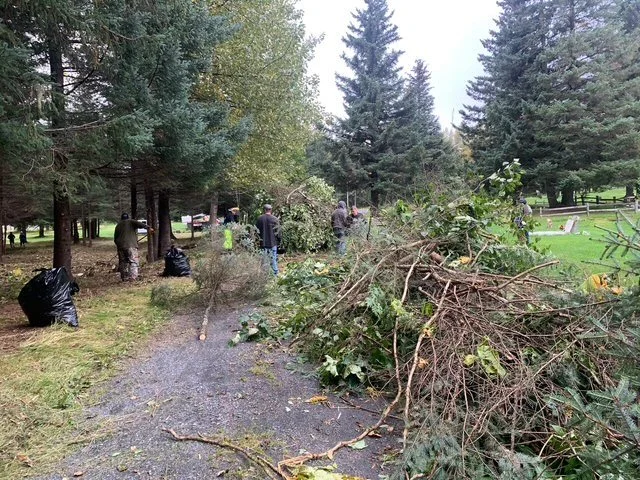
Restoration records document 27 truckloads of brush and growth hauled away, along with 12 truckloads connected to the removal of a rotten tree stump and debris.
Crews continued clearing years of brush and weeds while also using deep-scan metal detectors to locate grave markers.
Reaching bare ground required an extraordinary amount of work.
Years of vegetation had completely overtaken portions of the cemetery, including thick growth, fallen limbs, invasive vegetation, and deep root systems.
Volunteer crews spent countless hours cutting, hauling, raking, and clearing the area so the original landscape could slowly emerge again.
It was not a weekend cleanup.
It was not a single workday.
And it was not something that could be completed quickly.
It became part of a sustained restoration effort.
More Than Clearing Brush
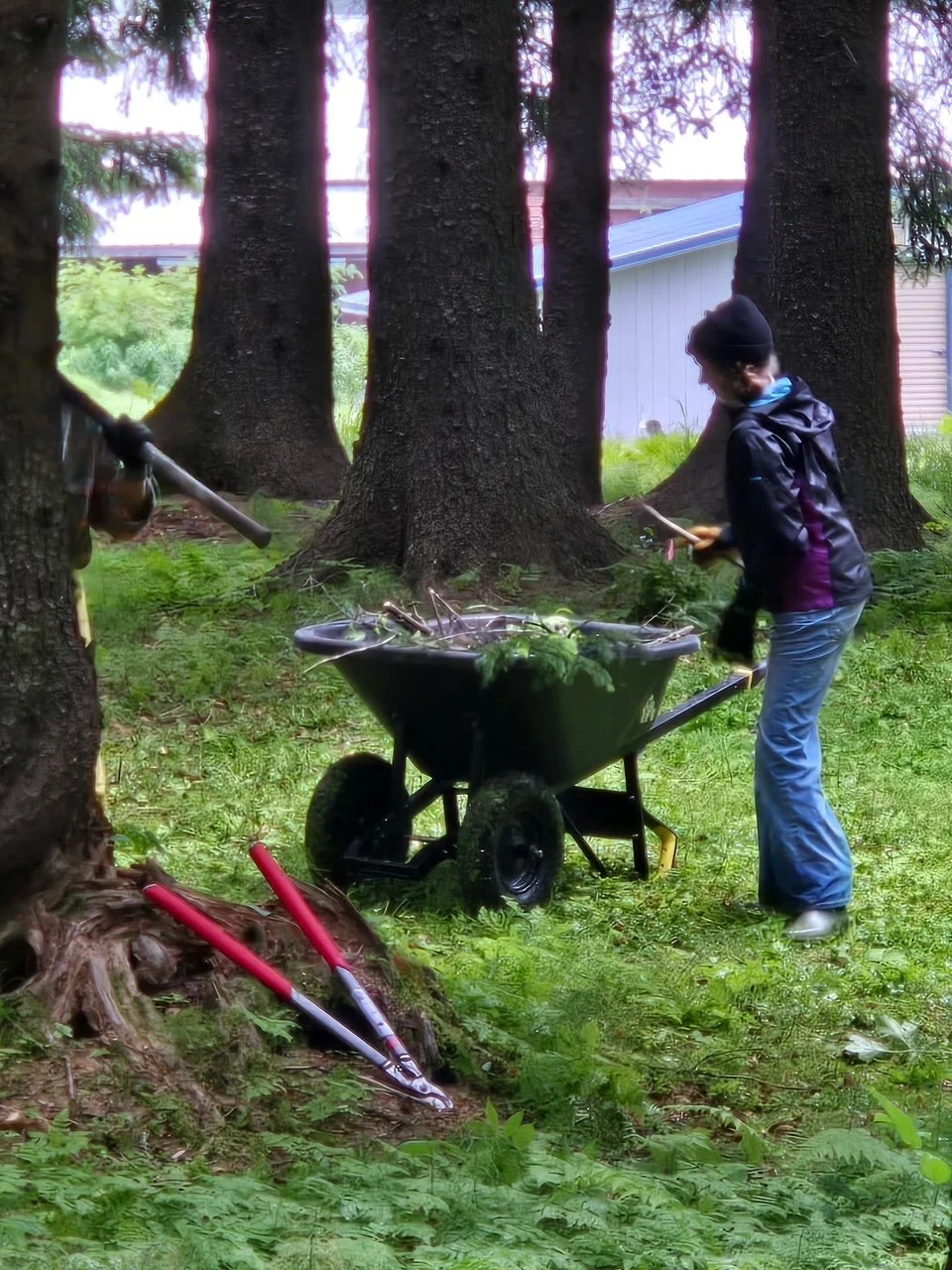
Looking at photographs of a cleanup project, it can be easy to see only physical labor.
A truck full of branches.
A trailer filled with brush.
A rake.
A chainsaw.
A volunteer carrying debris.
But every load removed from Jesse Lee Cemetery represented something more.
It meant another portion of sacred ground could be seen.
Another area could be documented.
Another possible grave could be protected.
Another family might someday be able to stand where their loved one rested.
The restoration created space for the research that had begun the year before to connect with the physical landscape.
Names on paper were beginning to connect with places on the ground.
Fifty-Three Children
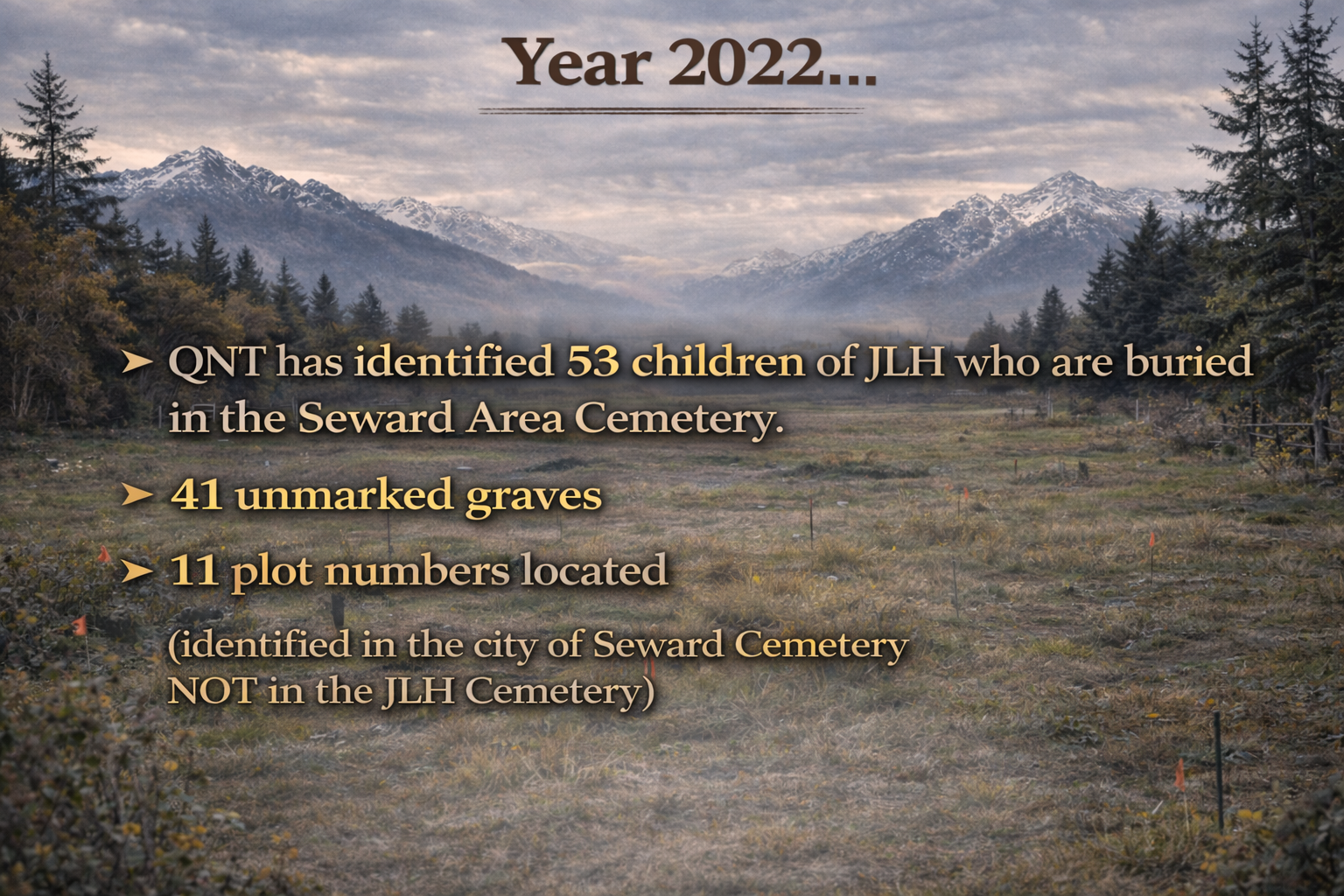
By 2022, Qutekcak Native Tribe had identified 53 Jesse Lee Home children buried within the Seward-area cemetery system.
The records documented:
41 unmarked graves.
11 located plot numbers within the City of Seward Cemetery.
And one marked grave — Stephen (Steven) Bell — within the Jesse Lee Home Cemetery area.
Those numbers demonstrated just how much work remained.
For many of these children, the location of their burial had not been visibly marked.
Some burial information existed only through historical records.
Others required continued research, mapping, and investigation.
The cemetery restoration therefore became inseparable from QNT's larger effort to identify the children, locate descendants, and preserve their history.
Community Hands
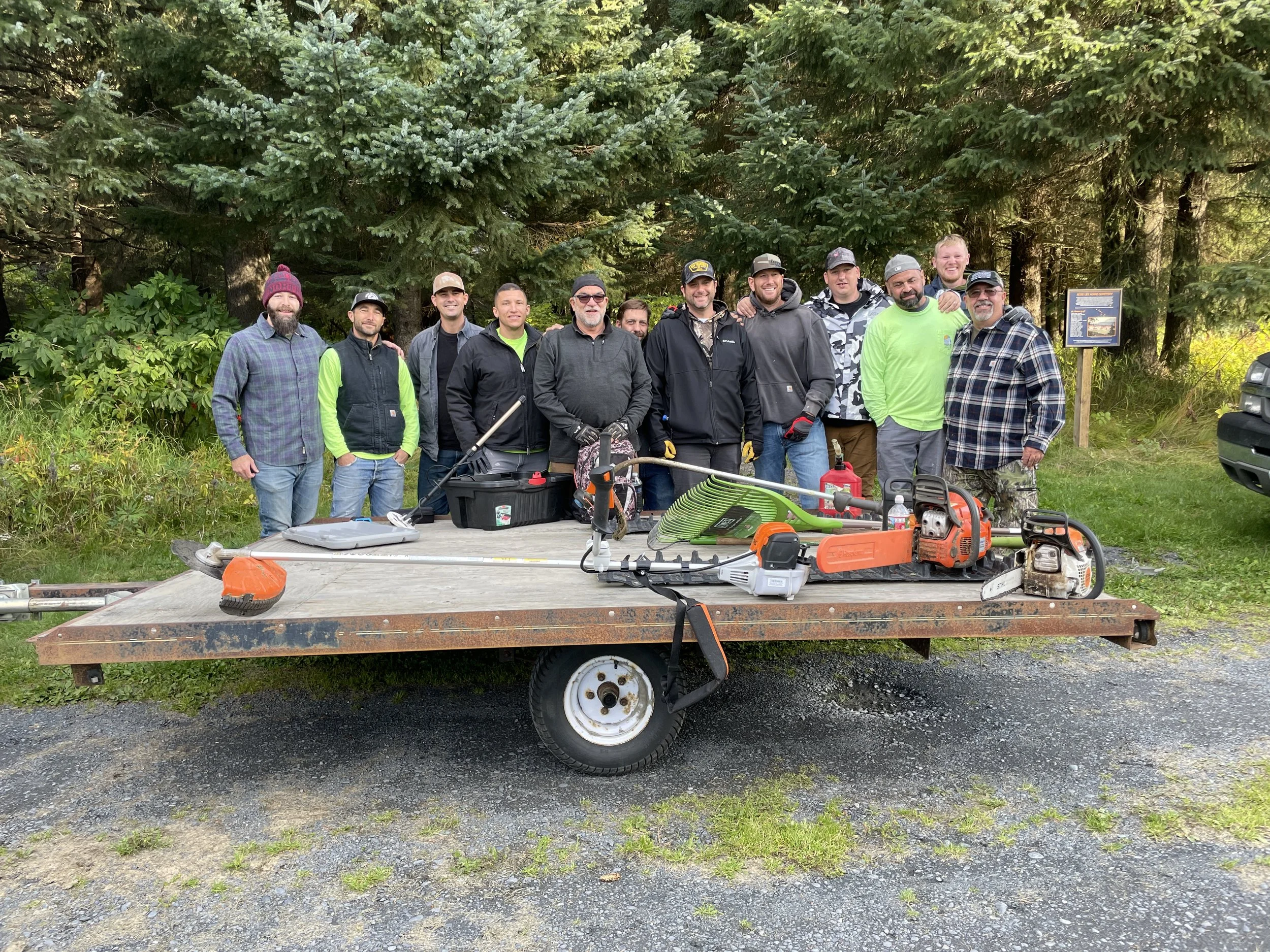
The transformation of the cemetery happened because people showed up.
Volunteers and community members cleared brush, removed debris, prepared the grounds, contributed equipment, and gave countless hours of physical labor.
The project presentation describes their work as a reflection of a collective commitment to dignity, remembrance, and stewardship.
That matters.
Because restoring a place like Jesse Lee Cemetery cannot simply be measured in truckloads of brush removed.
It is measured in people willing to care.
People willing to ask what happened here.
People willing to protect the resting places of children they may never have known.
People willing to make sure those children are no longer invisible.
Sacred Ground Becoming Visible Again
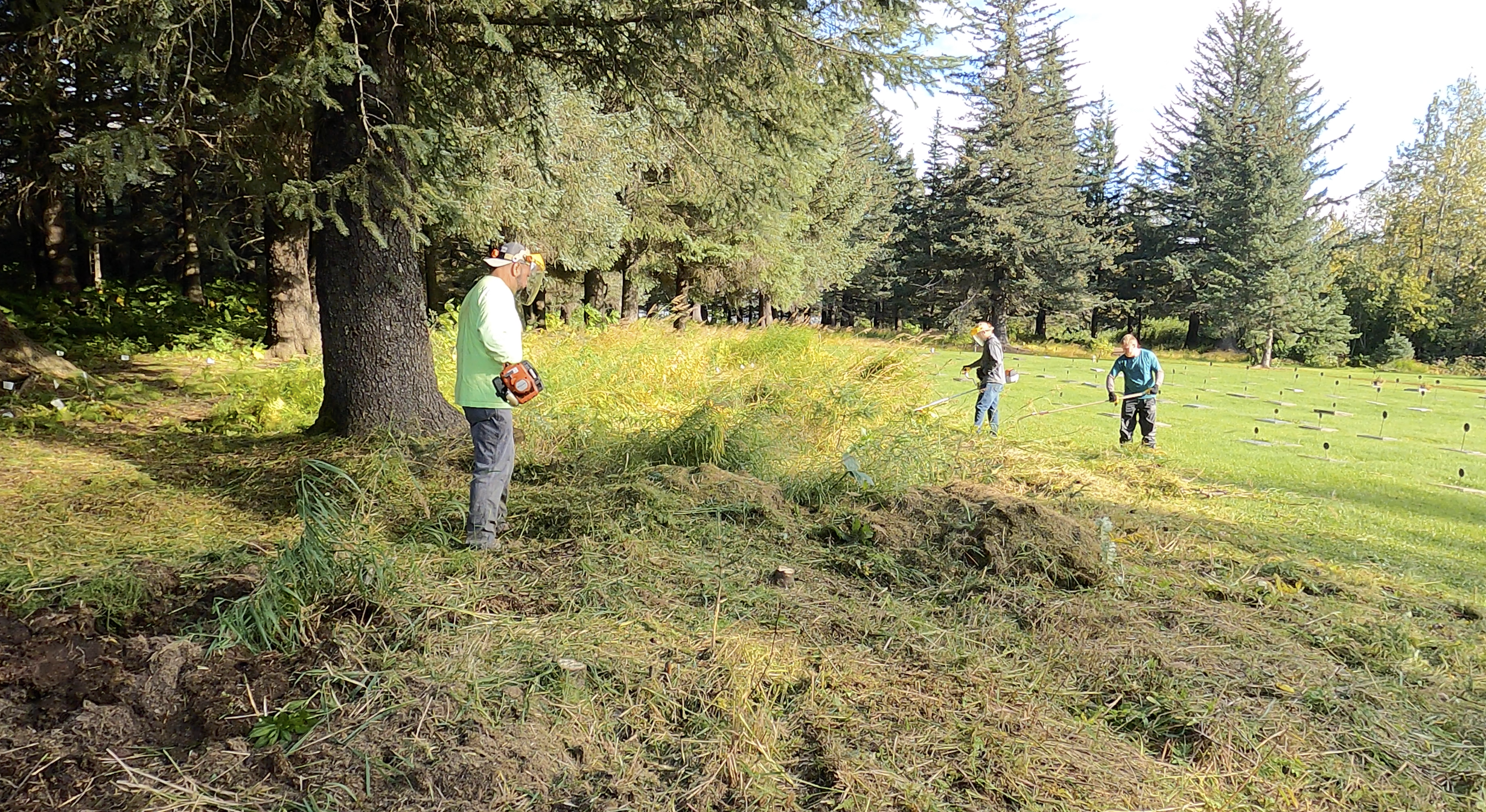
As the vegetation disappeared, pathways and burial areas that had been hidden began to emerge.
The land became walkable again.
The cemetery became visible again.
And with visibility came possibility.
Now there could be more careful documentation.
More scanning.
More mapping.
More research.
More protection.
And eventually, a permanent memorial.
The restoration was physical, but its meaning went far deeper.
As the project would later describe it, clearing the grounds was an act of remembrance, stewardship, and honor.
The Ground Remembered
The research of 2021 had begun recovering the names.
The work of 2022 began recovering the place.
Together, those two pieces changed what was possible.
The children of Jesse Lee Home were no longer simply names scattered through archival records.
Their resting places were beginning to be searched for, protected, documented, and cared for.
The cemetery was emerging from beneath the brush.
And a community was standing beside it.
One branch at a time.
One marker at a time.
One grave at a time.
One child at a time.
The work was still only beginning.
Technology and mapping would soon allow Qutekcak Native Tribe and its partners to look deeper beneath the surface and better understand what could no longer be seen with the human eye.
But before that could happen, people had to uncover the land.
And in 2022, that is exactly what they did.
They mattered then.
They matter now.
This is Part Two of “They Mattered Then. They Matter Now: The Jesse Lee Cemetery Story.” series, In the next installment, we move into 2023, when mapping and subsurface technology helped the project begin identifying what remained hidden beneath the cemetery grounds.