When the Story Travels:
Jesse Lee Is Reaching Audiences Across Alaska
Years of Quiet Work Are Becoming a Story Alaska Is Paying Attention To
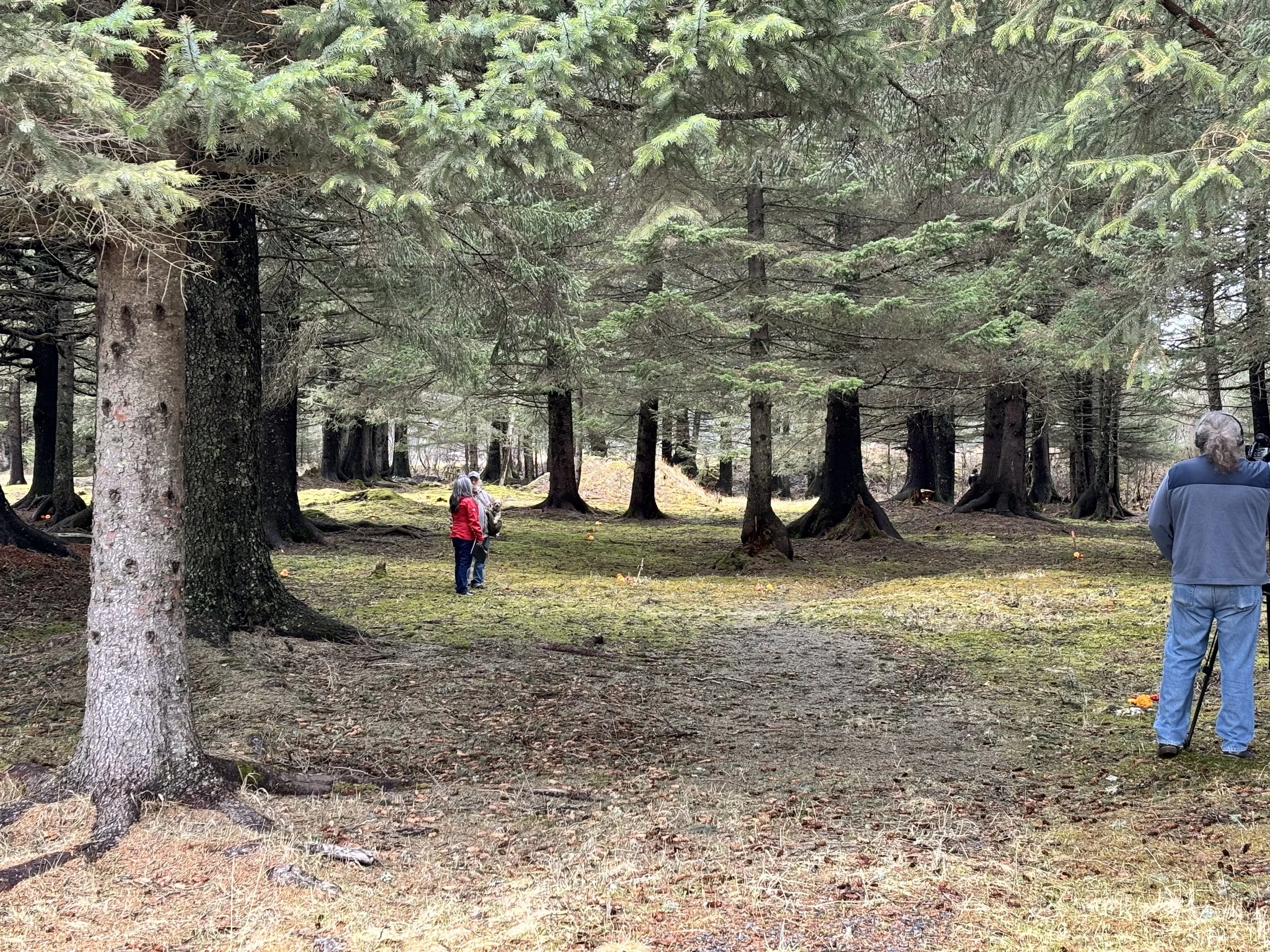
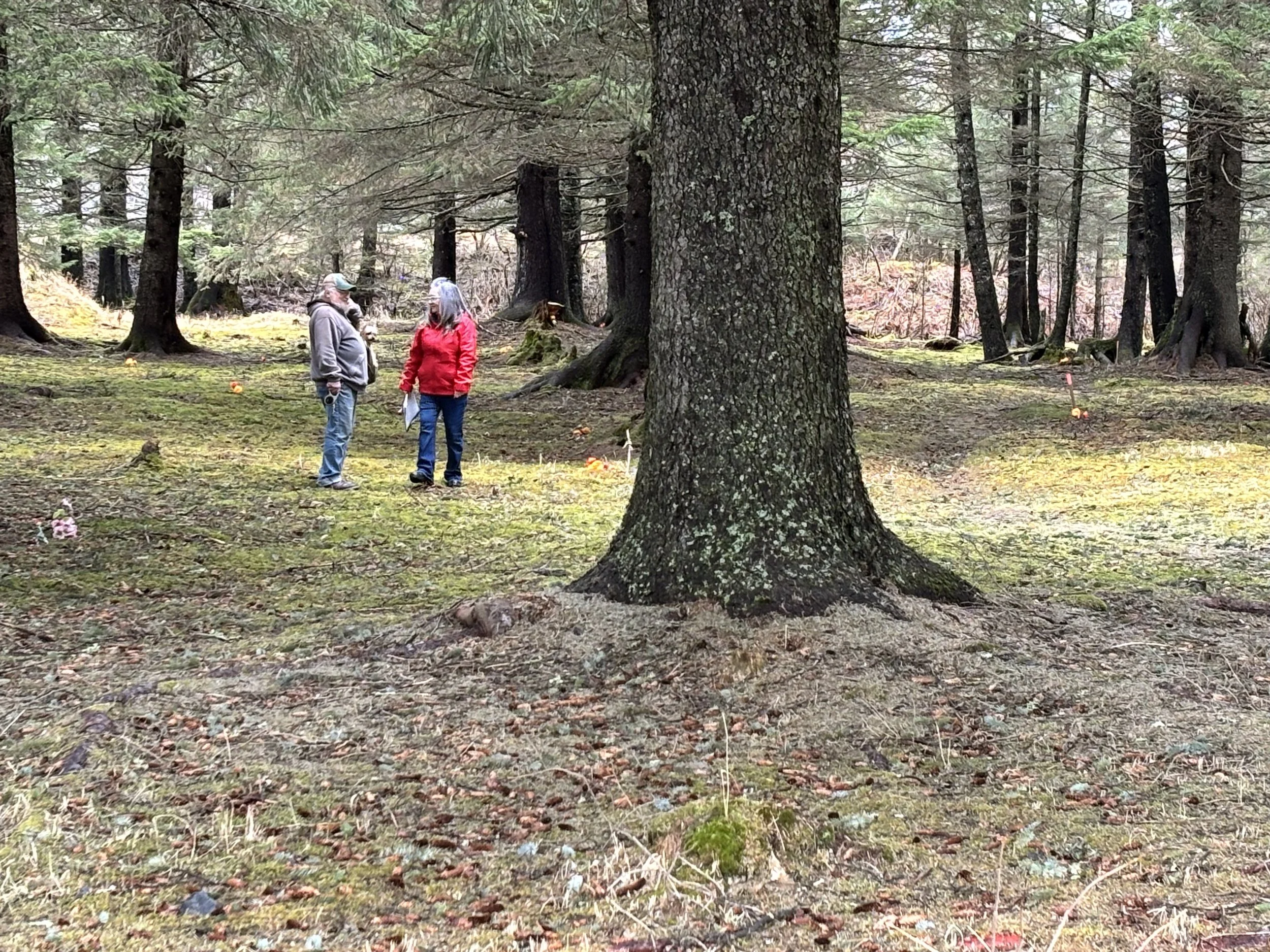
For years, the work at the Jesse Lee Cemetery happened quietly.
Volunteers cleared brush.
Historical records were searched.
Grave locations were investigated.
Partnerships were built.
Plans were developed.
And the Qutekcak Native Tribe continued showing up for one purpose: to make sure the children connected to the Jesse Lee Home were not forgotten.
Now, that work is beginning to reach far beyond Seward.
The Jesse Lee Cemetery Memorial Project is gaining the attention of news organizations across Alaska, bringing a much larger audience to a story our Tribe has worked for years to preserve.
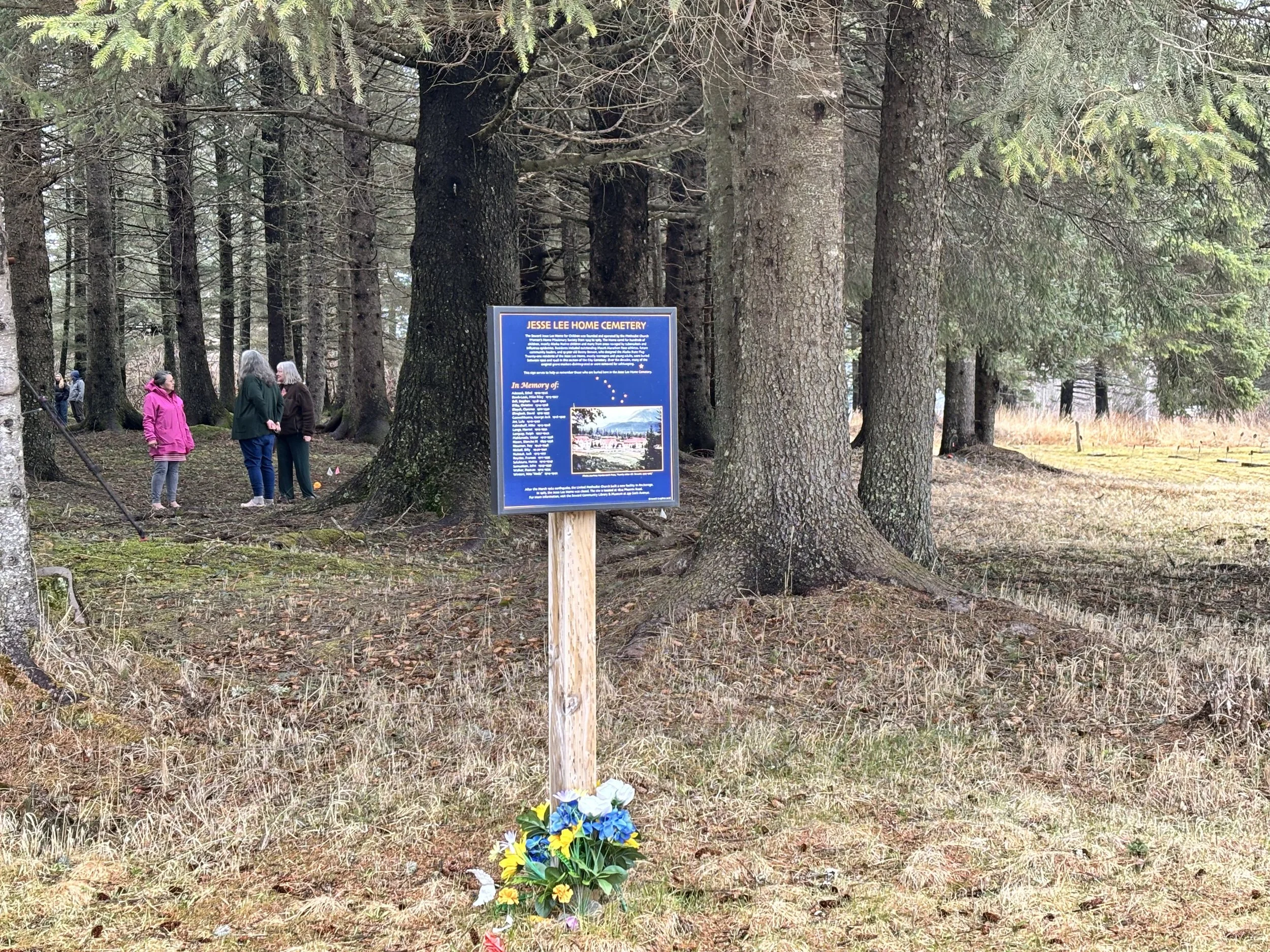
Most recently, Alaska's News Source featured Qutekcak Native Tribe's work in its story, “Looking for the Lost Children of the Jesse Lee Home Cemetery.” The report highlighted the Tribe's six-year effort to restore the cemetery, locate graves, preserve its history and create a place of remembrance and healing.
And that coverage did not remain in Anchorage.
The story was also carried through Webcenter Fairbanks, extending awareness of the Jesse Lee project to audiences in another part of the state.
That matters.
Because every time this story reaches another community, more people learn that these children were here.
More people learn that their resting place was nearly lost beneath decades of trees and brush.
More people understand why this work cannot stop.
From a Seward Project to a Statewide Conversation
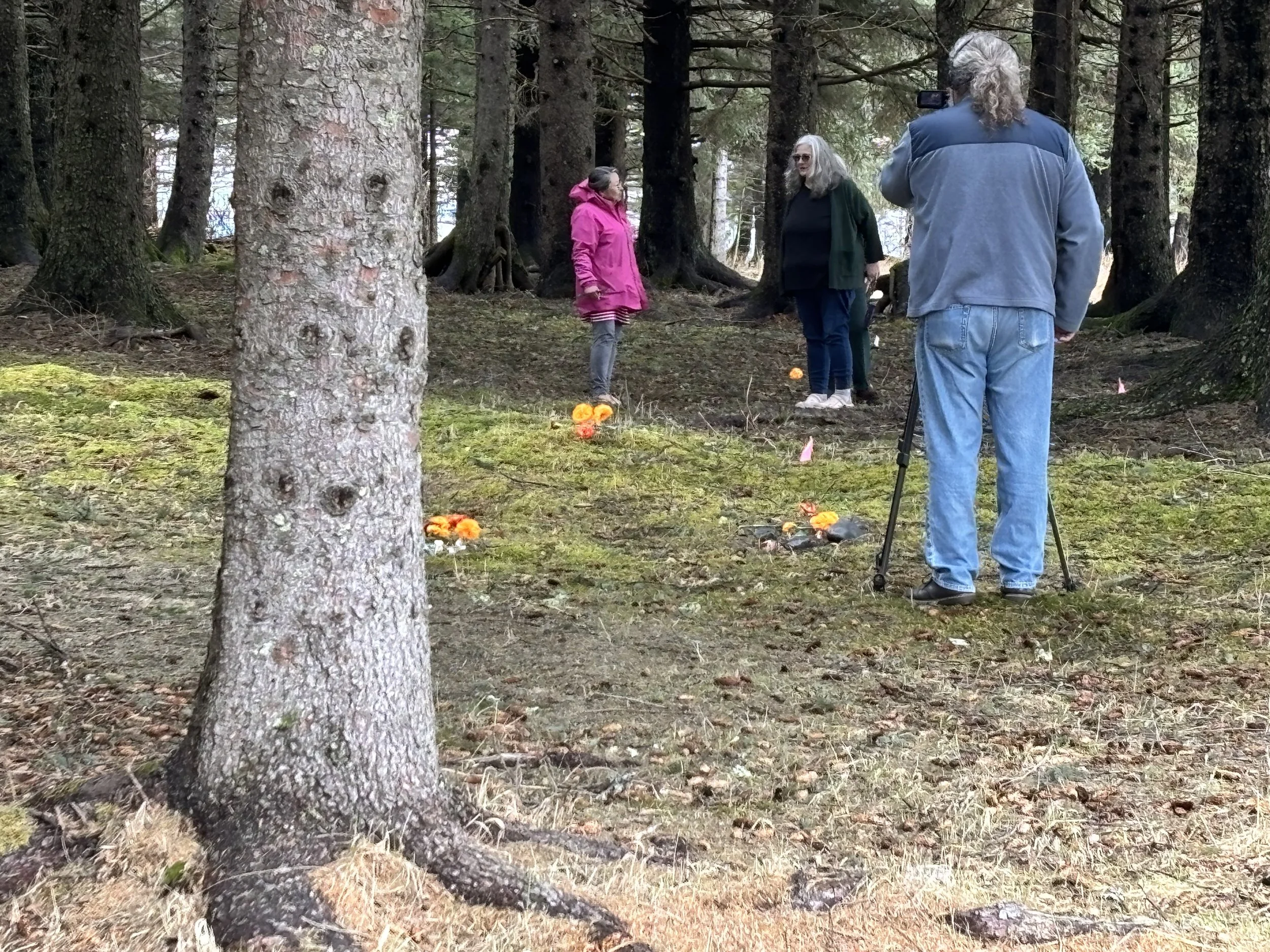
The growing media attention did not happen overnight.
Earlier coverage from The Seward Folly and the Copper River Record helped tell the story of Qutekcak Native Tribe's work to reclaim and care for the Jesse Lee Cemetery.
Then Alaska's News Source brought television and statewide digital attention to the project.
Their reporting shared something that our community has understood for years: Qutekcak Native Tribe has taken on the responsibility of ensuring this cemetery—and the people resting within it—are remembered.
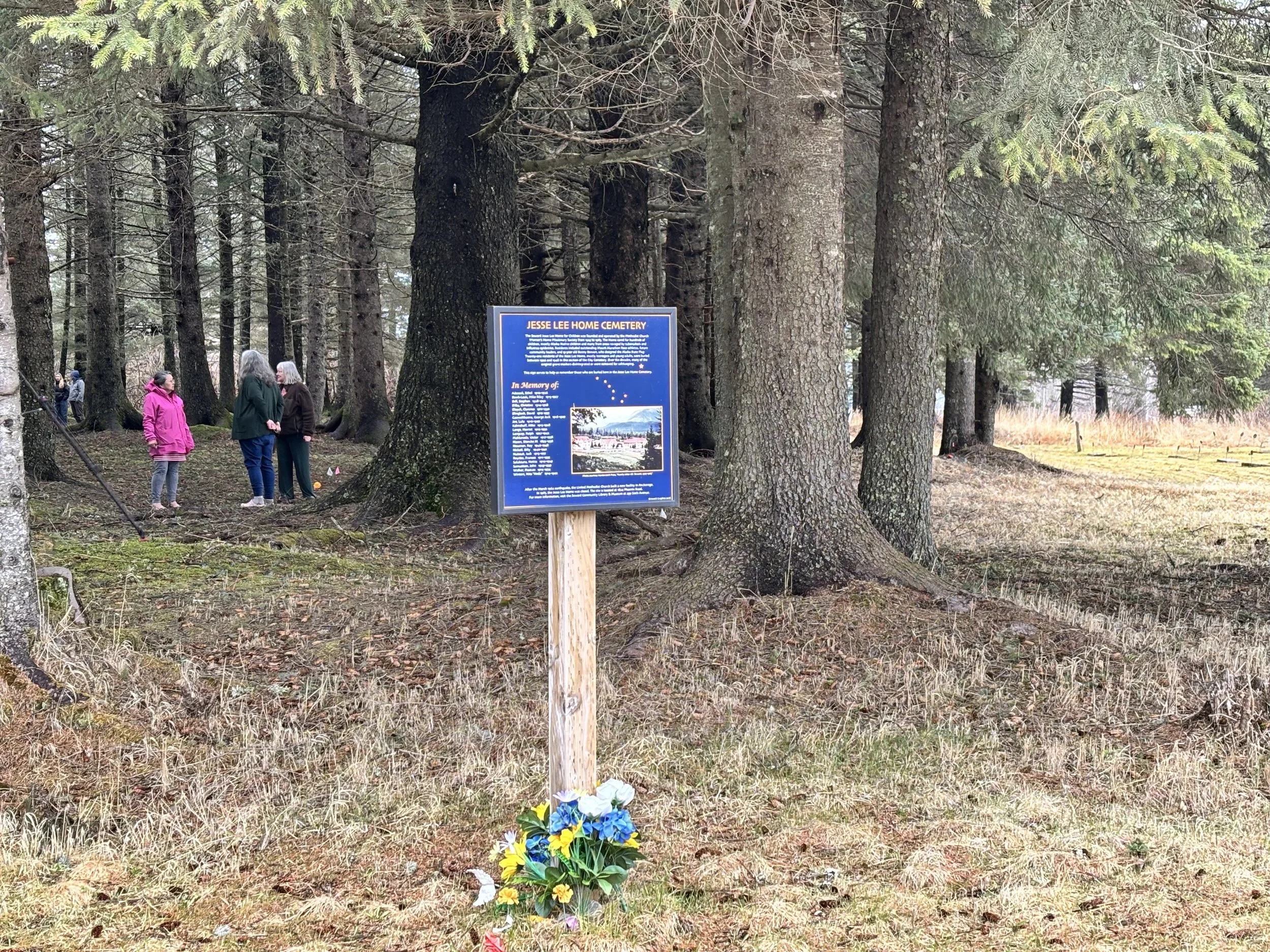
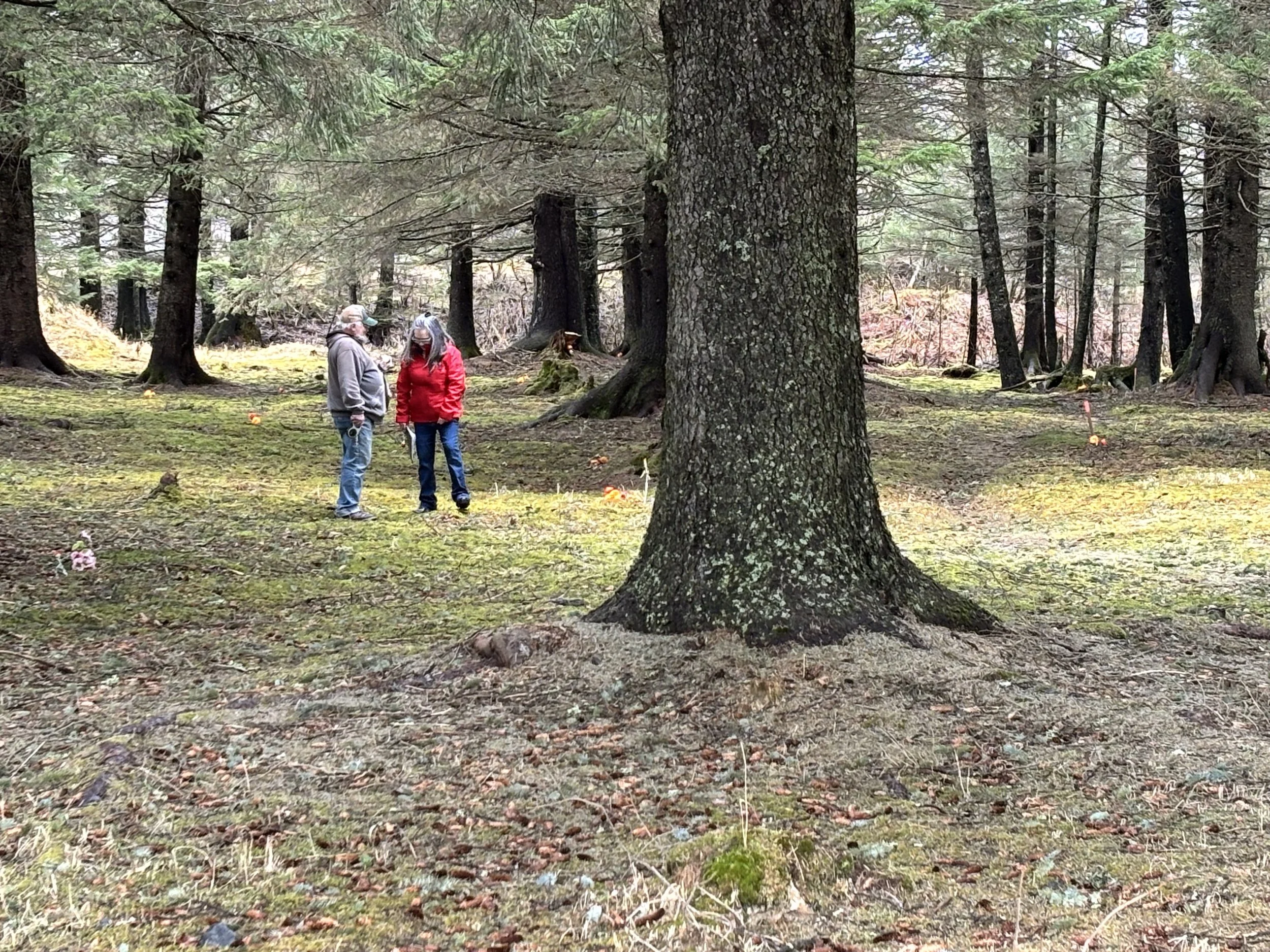
The Alaska's News Source report explained that the cemetery had been abandoned for more than 60 years and reclaimed by nature. It also highlighted the use of metal detection and LiDAR work that had helped identify approximately 40 grave locations at the time of reporting, with additional survey work planned.
For people seeing this work for the first time, those details can be powerful.
For us, they represent years of persistence.
This Is Why Awareness Matters
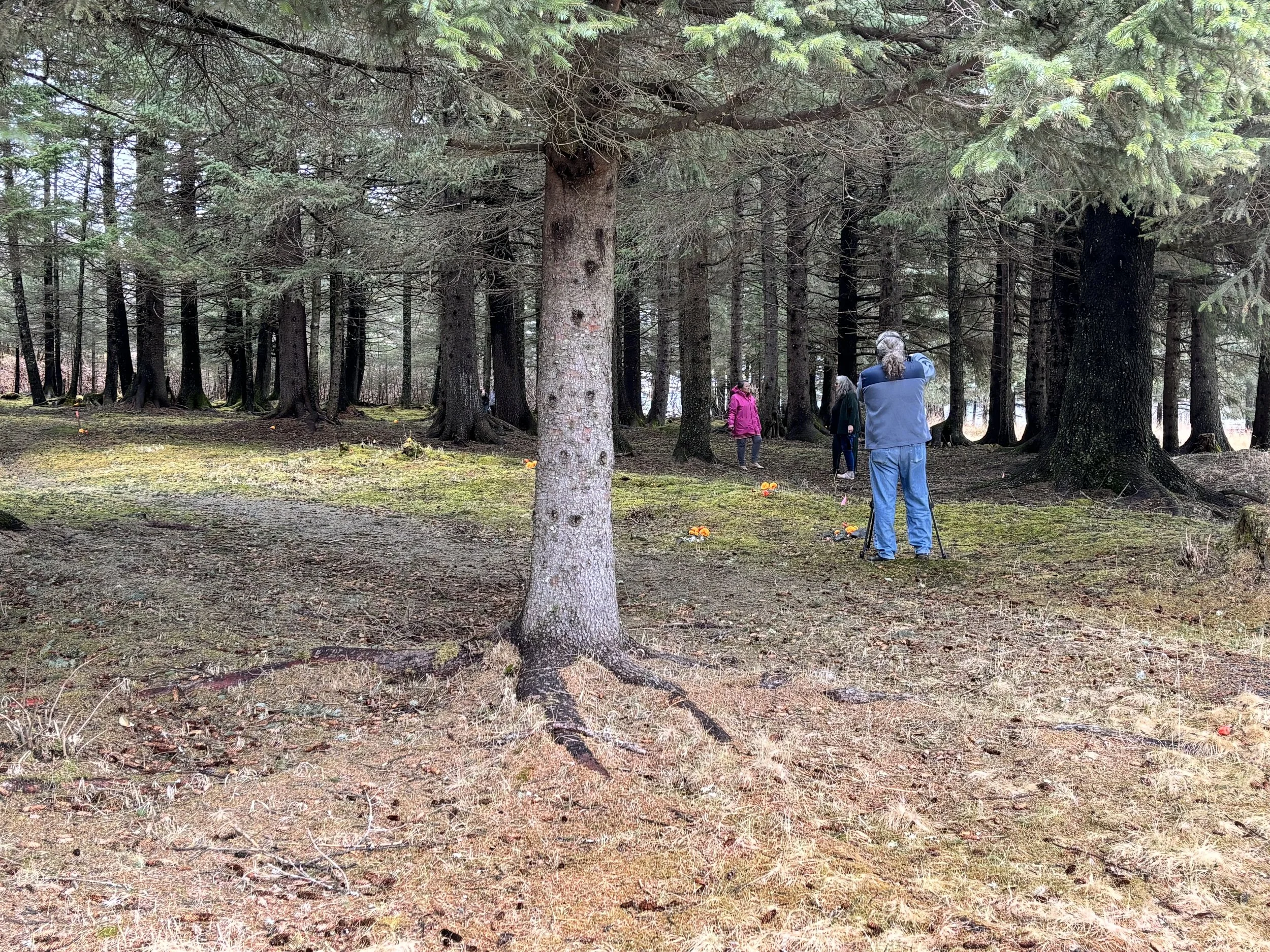
Media attention is not the goal of the Jesse Lee project.
Remembrance is.
But awareness helps remembrance travel.
A news story can reach someone who never knew the Jesse Lee Home existed.
It can reach a descendant who recognizes a family connection.
It can reach a researcher who has information buried in an archive.
It can reach another Tribal community carrying a similar history.
It can reach someone hundreds of miles away who realizes that the history of Alaska Native boarding schools is not distant history—it exists in places still standing within our communities today.
And it can remind people that behind every grave we identify was a human being whose life deserves dignity.
That is why seeing news organizations begin to pick up this story means something to us.
The more people who understand, the harder it becomes for this history to disappear again.
Six Years of Work Are Being Seen
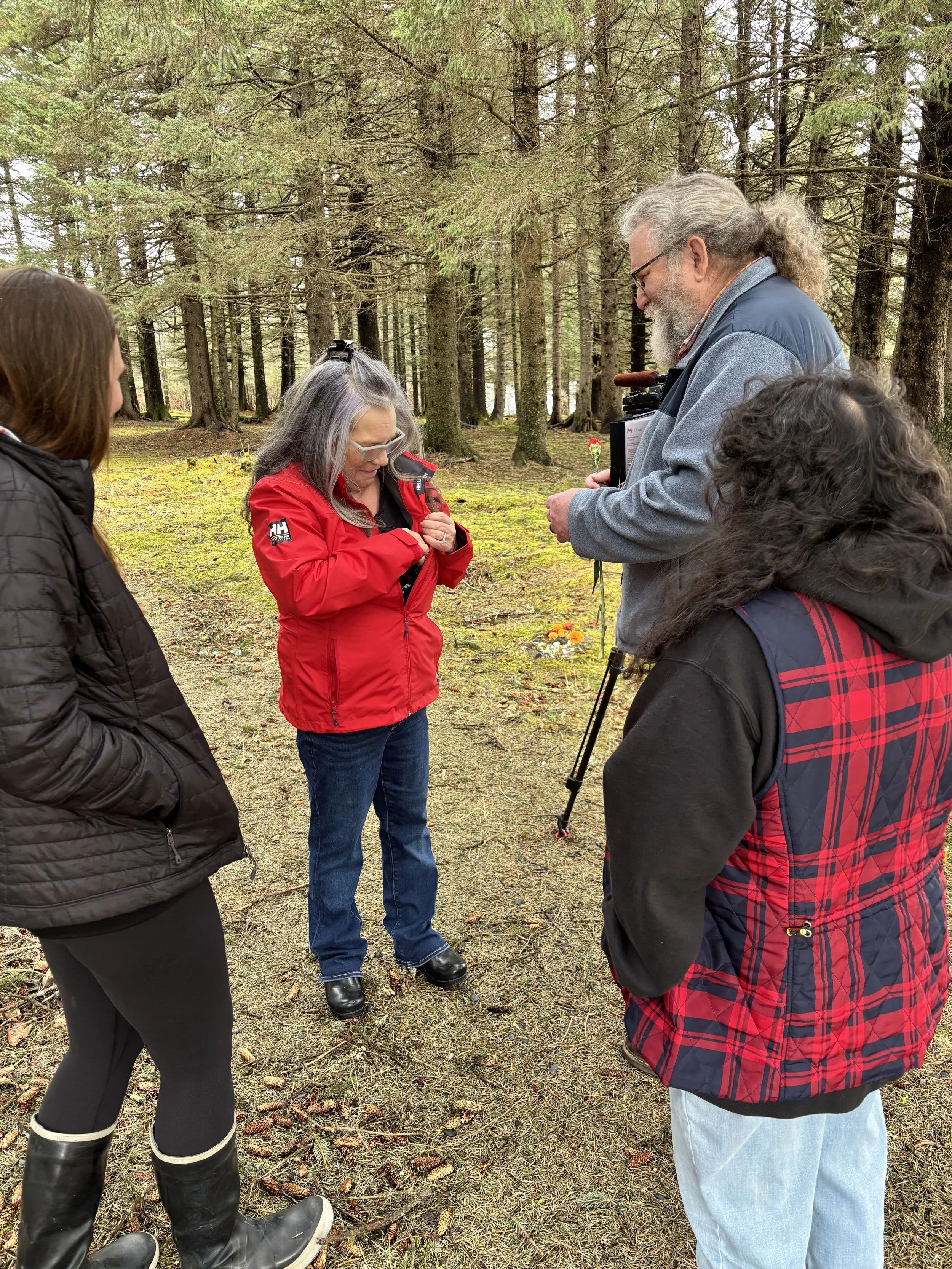
Alaska's News Source described what Qutekcak Native Tribe has been doing very simply: working for six years to make sure the lost children of Seward's Jesse Lee Home are not forgotten.
That sentence represents thousands of individual moments.
People giving their time.
People clearing land.
People searching records.
People asking questions.
People locating graves.
People designing memorials.
People seeking funding.
People coordinating with community partners.
People refusing to allow a cemetery to disappear beneath the forest.
And people believing that even when we may never know every name, every person buried there deserves to be acknowledged.
The work has also moved toward long-term protection. In April 2026, the Seward City Council began the process of transferring the cemetery land to the Qutekcak Native Tribe, another major step toward Tribal stewardship of this sacred place.
And Then the Story Started Traveling
There is something powerful about watching a project that began with people simply willing to do the work become something others want to understand and share.
First, our community talked about Jesse Lee.
Then local news organizations began telling the story.
Then regional publications carried it.
Now Alaska's largest television news audiences are learning about it.
The Alaska's News Source story was also included within its “Telling Alaska's Story” coverage, giving the Jesse Lee project another avenue to reach people throughout the state.
That growing attention tells us something important:
People care about this history.
They care about the children.
They care about what happened here.
They care about what happens next.
We Are Grateful to the Journalists Who Help Carry the Story
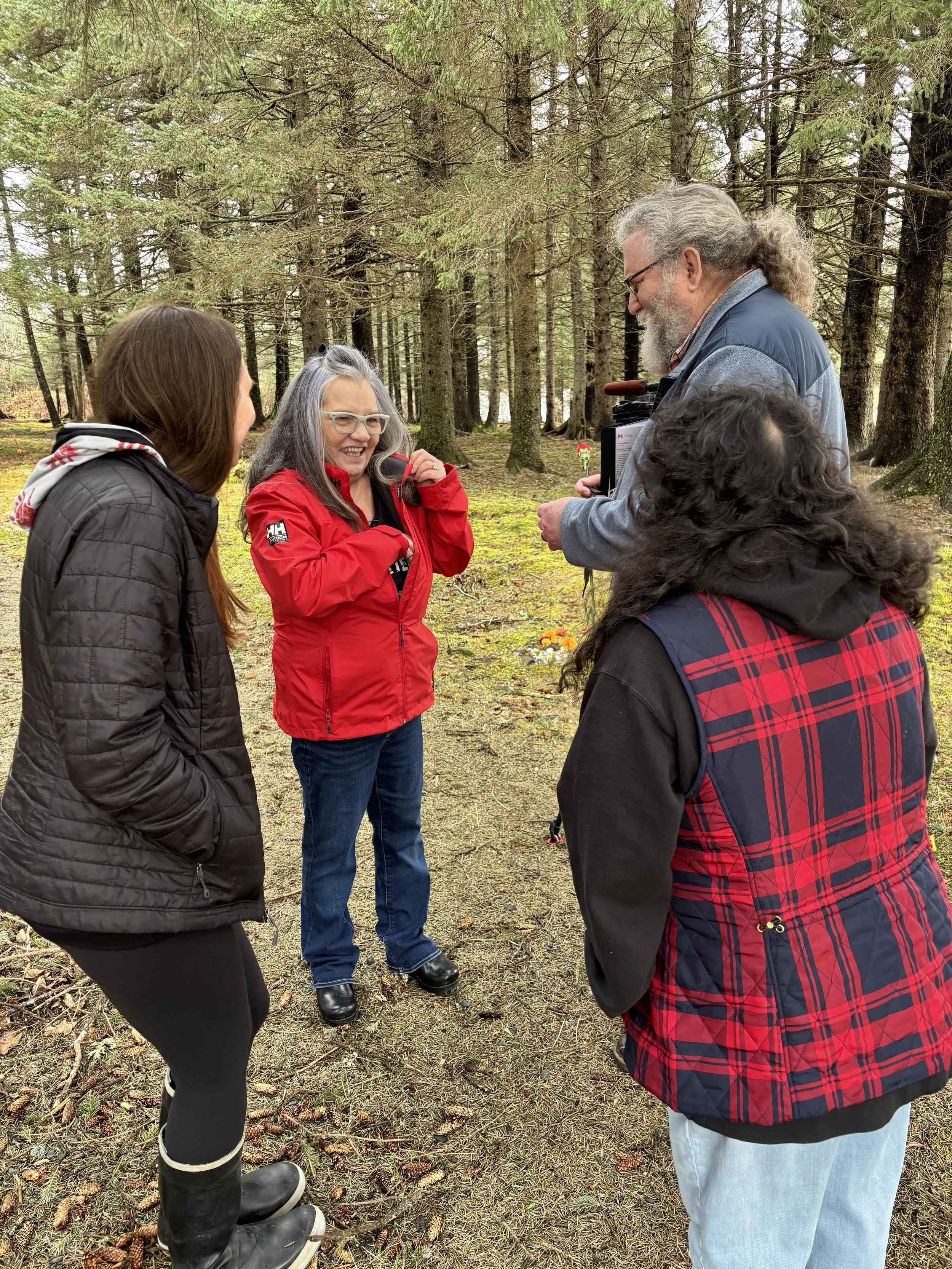
The Qutekcak Native Tribe is grateful to every journalist, photographer, news organization and community publication that has taken the time to learn about this work and share it responsibly.
The Tribe has previously recognized media and community partners, including The Seward Folly and SakTown News, for helping bring attention to the Jesse Lee story and the work taking place at the cemetery.
Now, with Alaska's News Source and additional outlets carrying the story, that circle of awareness continues to grow.
Every article matters.
Every television segment matters.
Every person who shares the story matters.
Not because Qutekcak Native Tribe needs recognition.
Because the children do.
The Work Speaks Before the Headlines Come
There is an important lesson in this moment.
Meaningful community work rarely begins with cameras.
It begins when someone sees something that needs to be done and decides to do it.
For six years, Qutekcak Native Tribe has continued working at Jesse Lee whether a reporter was standing there or not.
That is what made the story worth telling.
The news did not create the work.
The work created the news.
And now, as news agencies across Alaska help amplify this story, they are helping us accomplish something much larger than media coverage.
They are helping us build awareness.
They are helping us preserve history.
They are helping descendants find their way back to these stories.
And they are helping ensure that another generation grows up knowing what happened here.
This Is Only the Beginning
There is still more work ahead at Jesse Lee.
There are still questions to answer.
There are still graves to locate.
There are still stories to research.
There are still descendants to find.
There is still a sacred place to protect for generations to come.
But today, more people know about that work than they did yesterday.
And tomorrow, we hope even more will know.
Because every person who learns this history becomes one more person capable of carrying it forward.
From Seward.
Across Alaska.
And wherever this story travels next.
They mattered then.
They matter now.
And now, more people are learning their story.
Qutekcak Native Tribe
Preserving history. Honoring every child. Making sure their stories are never forgotten.