2026 — Building a Place of Remembrance: The Jesse Lee Memorial Takes Shape
2026 — Building a Place of Remembrance: The Jesse Lee Memorial Takes Shape
For years, the work at Jesse Lee Home Cemetery has been about uncovering what time tried to hide.
Names were found in records.
Graves were searched for beneath brush and soil.
Historical documents were pieced together.
Families and descendants were researched.
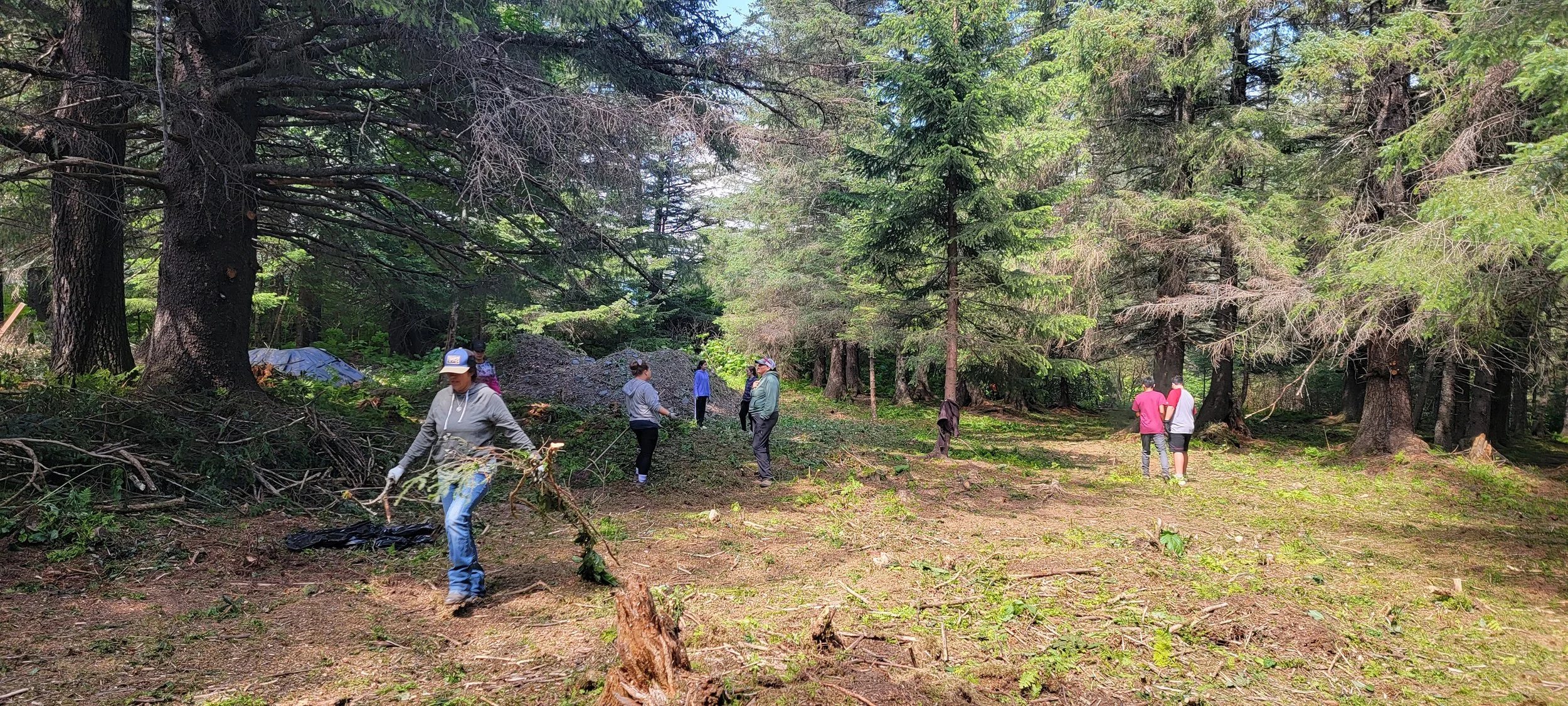
The land was cleared.
Technology was brought in to help understand what could not be seen from the surface.
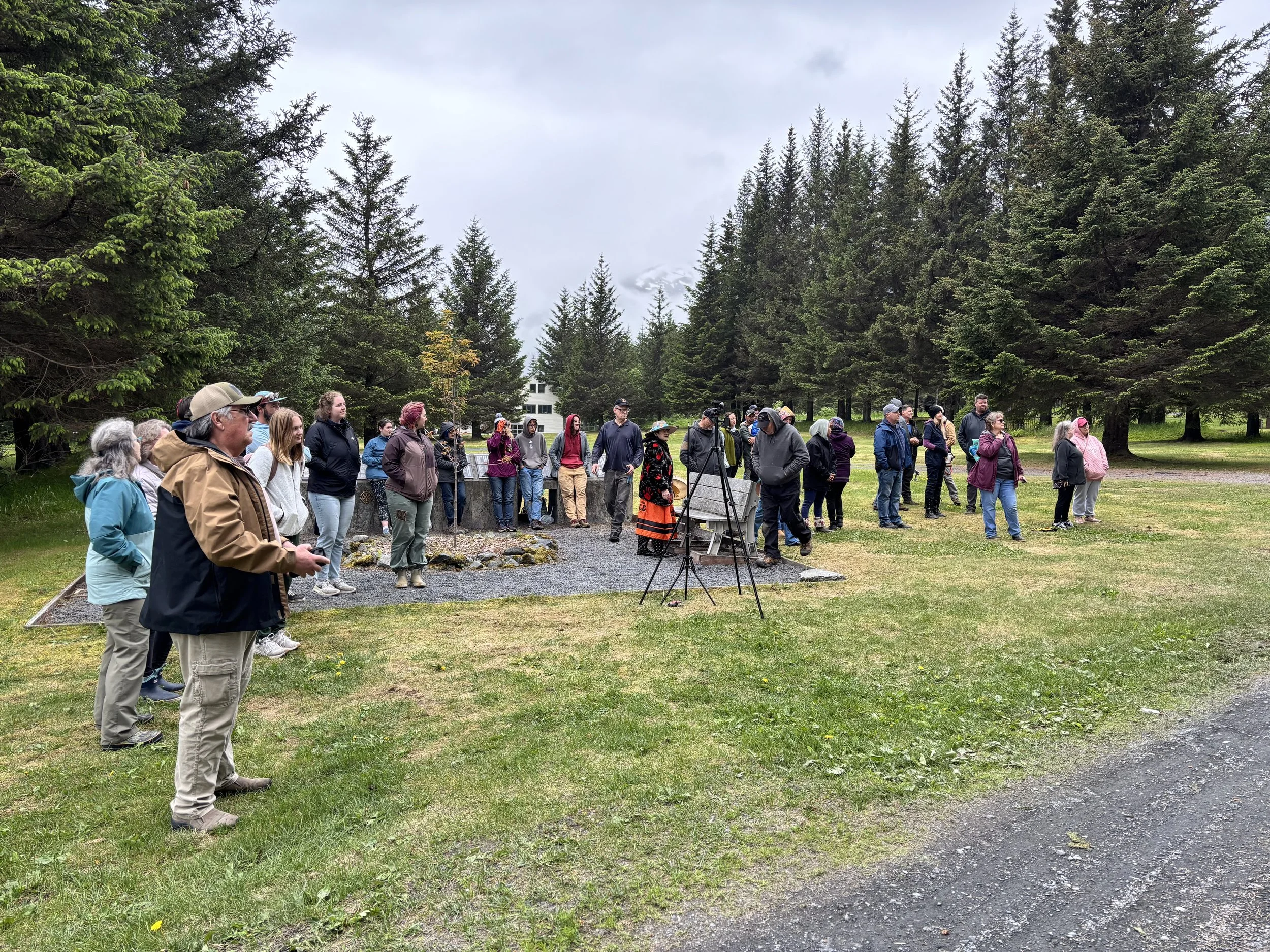
Community members returned to the cemetery.
The children were remembered.
And in 2026, years of research, restoration, preservation, and stewardship began moving toward something lasting:
the Jesse Lee Cemetery Memorial.
The project timeline identifies 2026 as a year of Restoration, LiDAR & Memorial Development, including continued cleanup, expanded scanning, and memorial planning and installation intended to honor the children and preserve their history.
This is not simply the next phase of a construction project.
It is the culmination of years of saying:
We see you.
We remember you.
And we will make sure future generations remember you too.
From Restoration to Permanence
When this journey began, portions of Jesse Lee Cemetery were hidden beneath years of vegetation.
Graves were difficult to locate.
Markers had disappeared beneath the earth.
Historical records contained gaps.
Families could no longer easily find the resting places of loved ones.
The earliest goal of the project was clear:
Identify the graves.
Contact family members.
Create a lasting memorial.
Those goals have guided each stage of the work.
The research was never separate from the restoration.
The restoration was never separate from the mapping.
The mapping was never separate from preservation.
Every phase has moved toward the same purpose:
To restore dignity to the children and create a place where their stories can remain visible.
The Memorial Vision
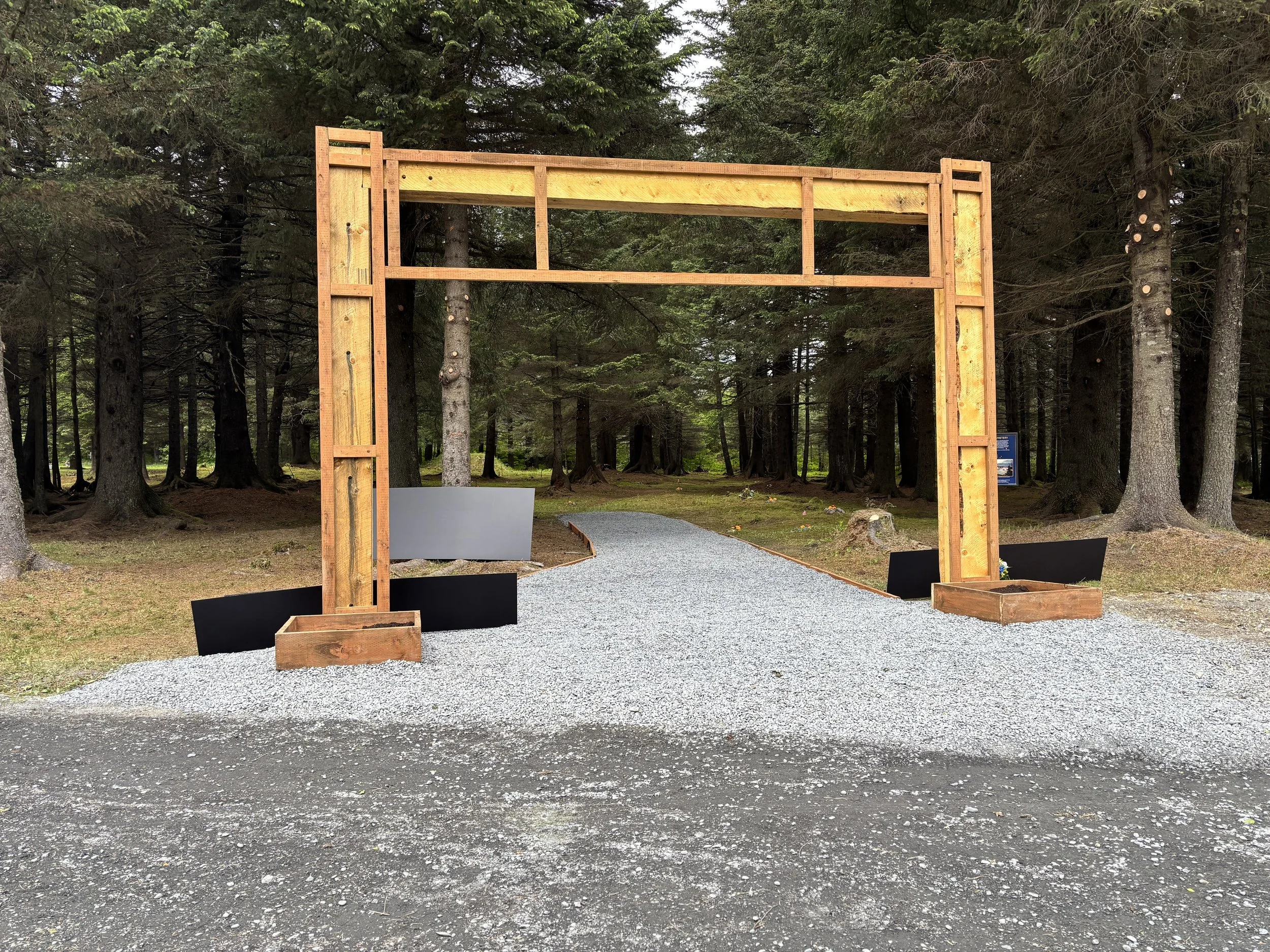
The Jesse Lee Cemetery Memorial is being developed as more than an entrance or physical structure.
The project's memorial vision is grounded in three words:
Remembrance. Protection. Restoration.
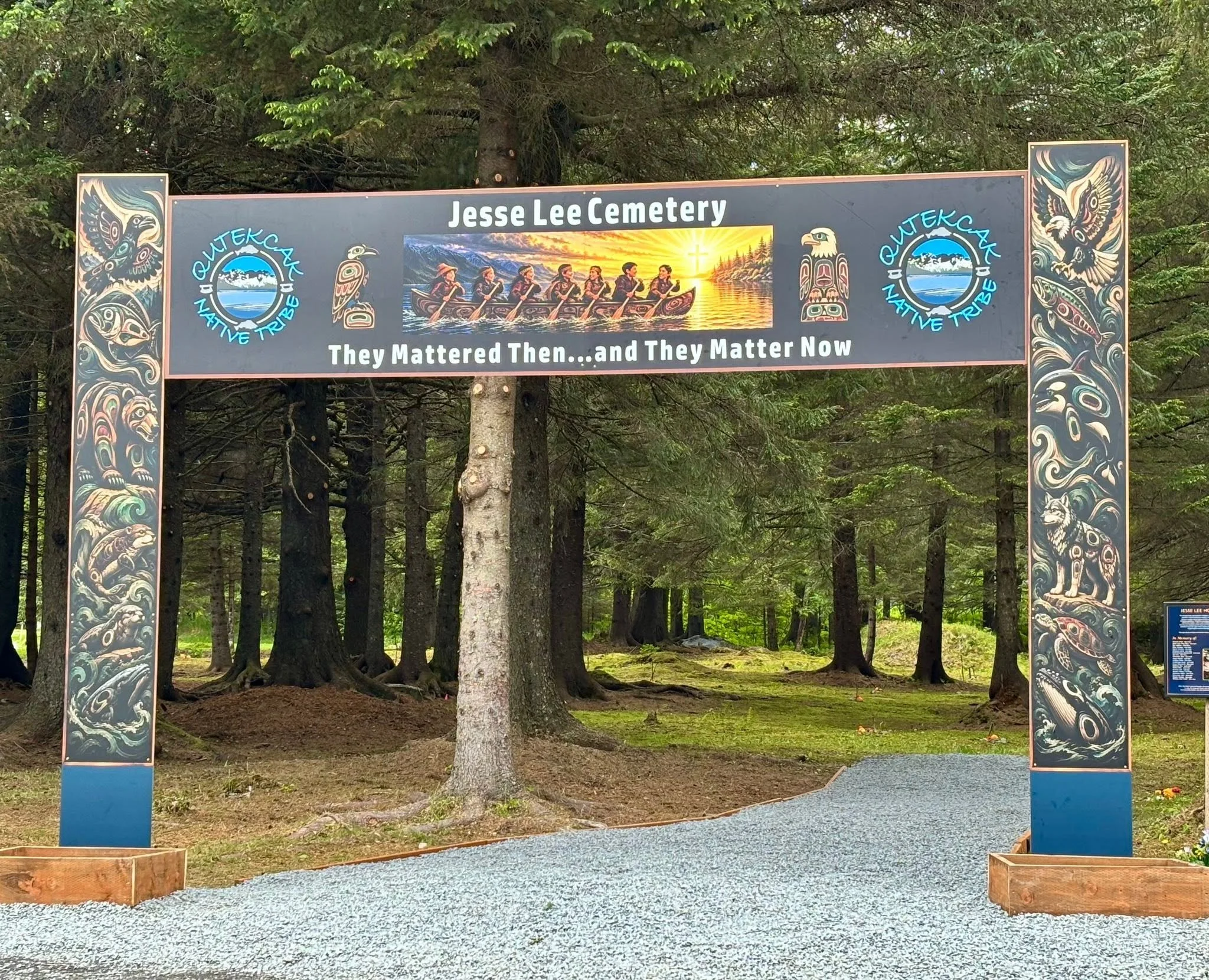
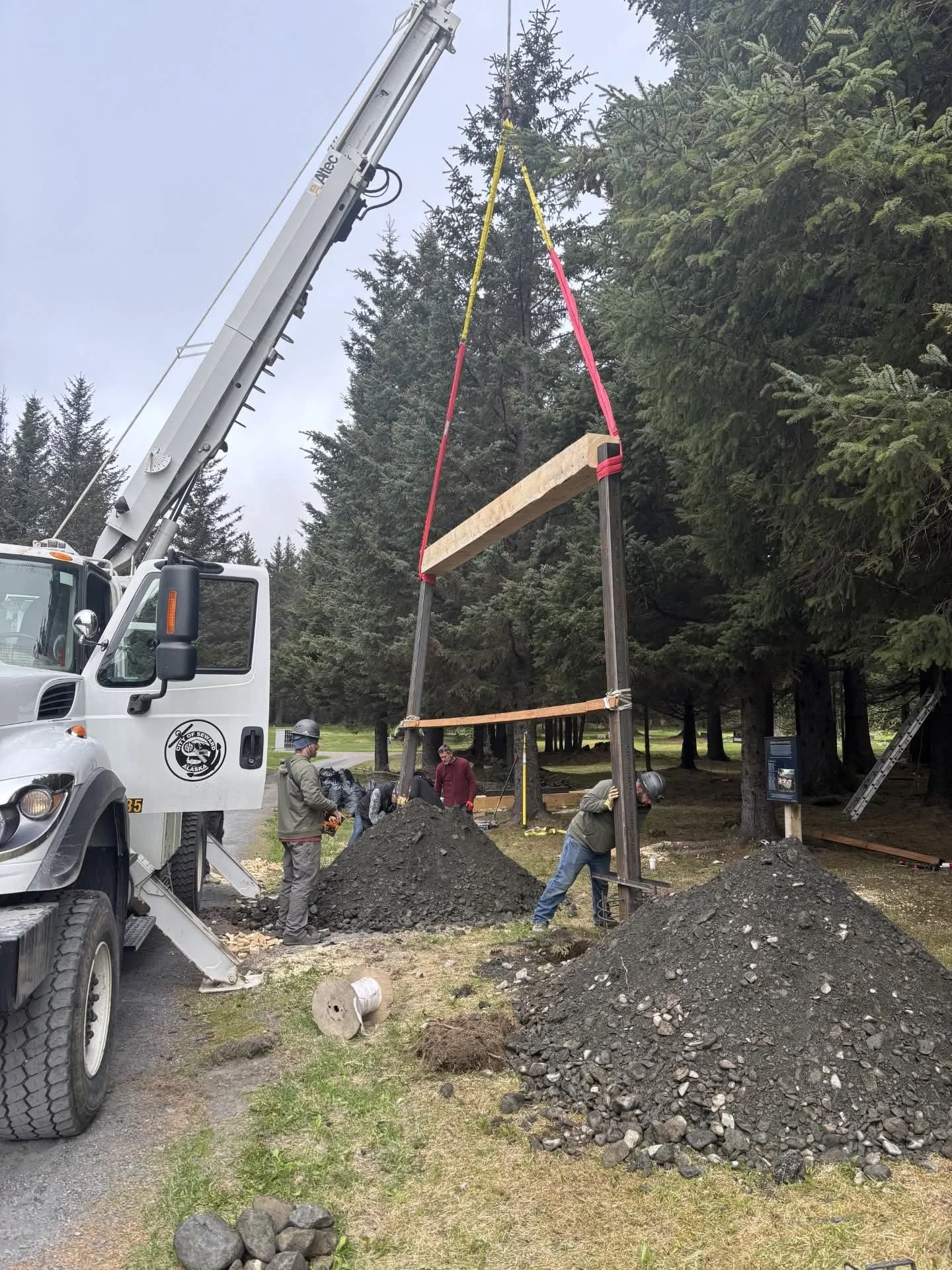
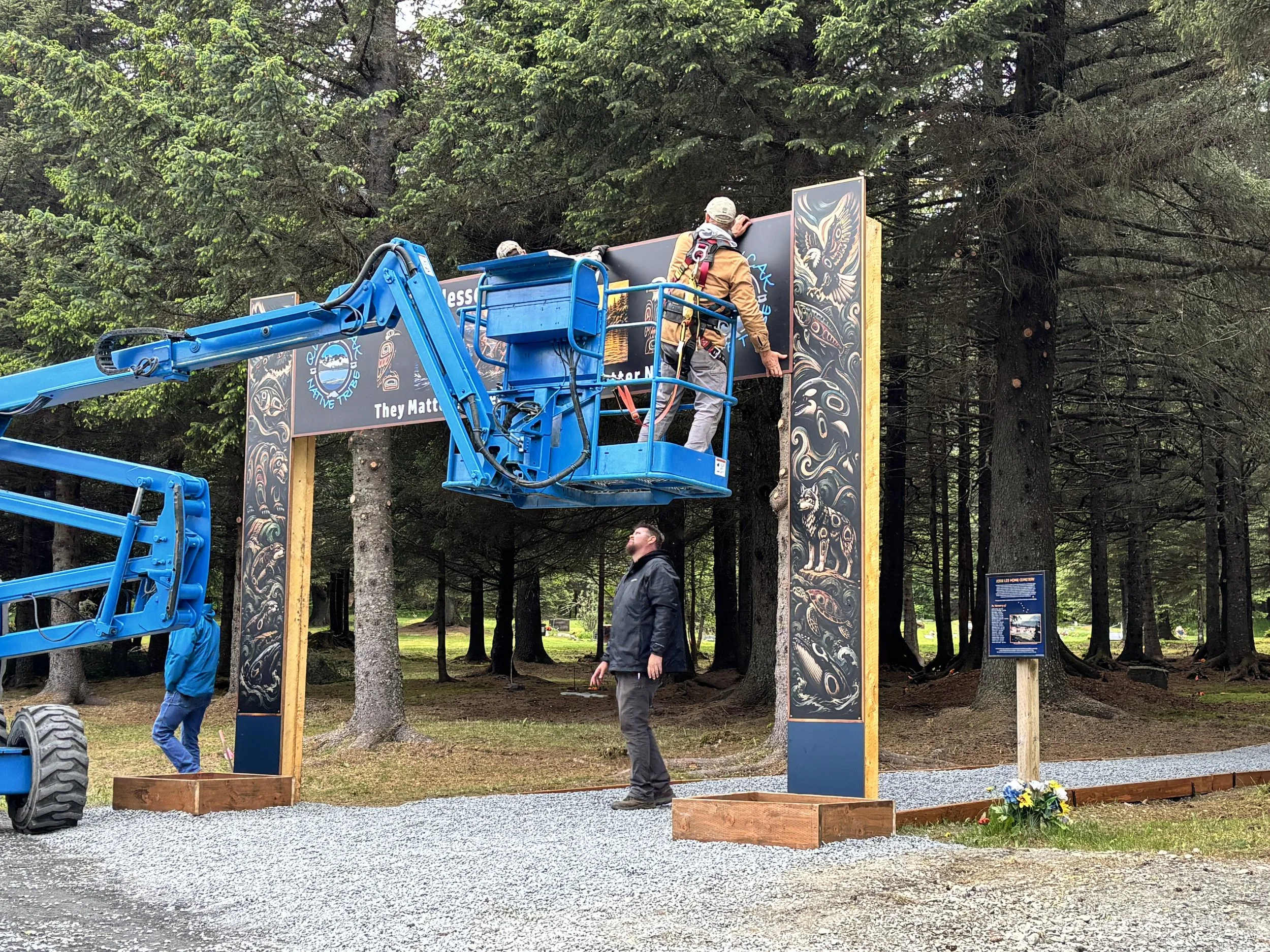
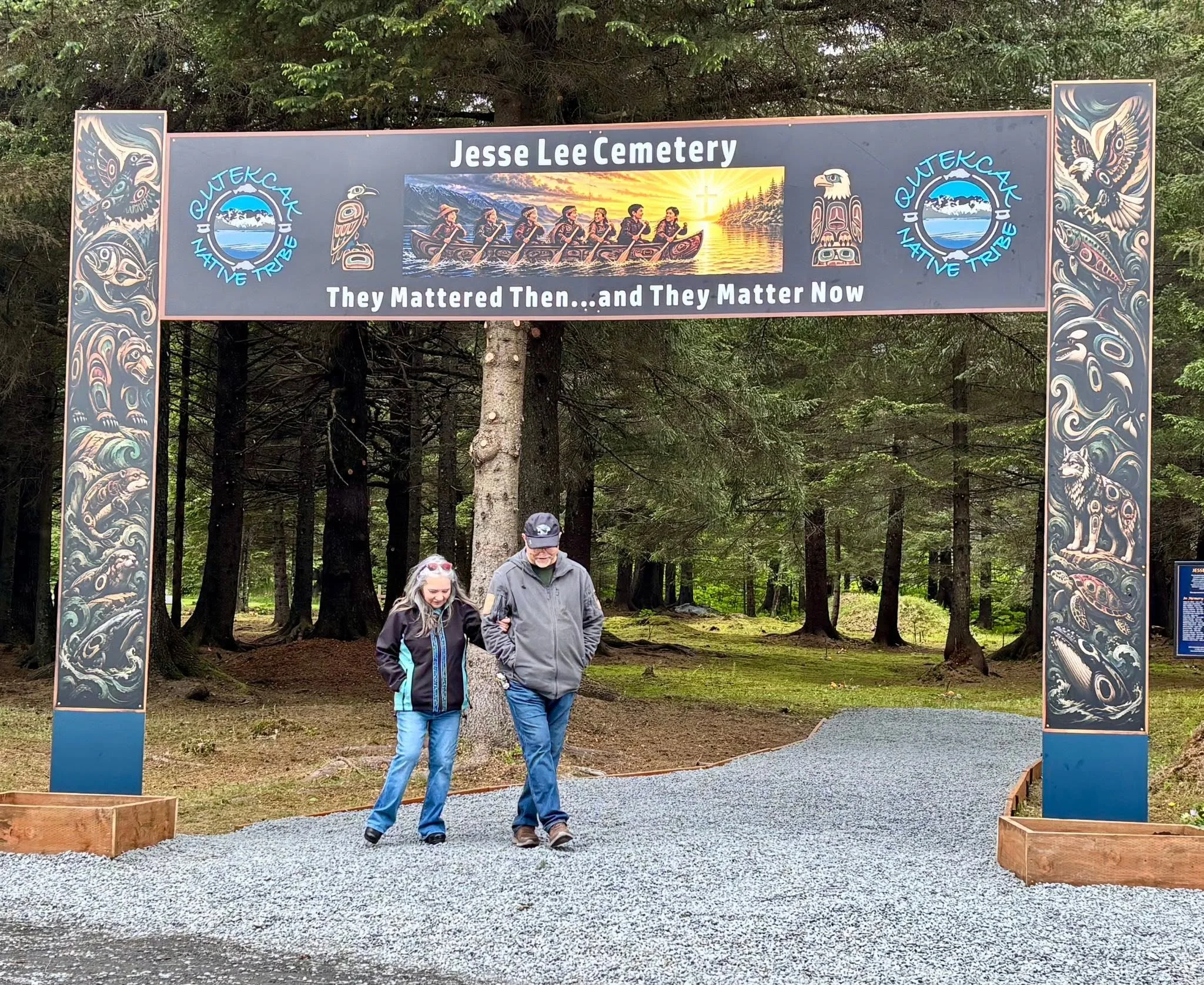
The planned entrance archway is intended to stand as a visible commitment that the children of the Jesse Lee Home are not forgotten.
Around it, maintained grounds and marked pathways are envisioned to provide families and community members with a place to reflect, honor, and heal.
That distinction matters.
This memorial is not being created simply so people can look at something.
It is being created so people have somewhere to come.
Somewhere to remember.
Somewhere to learn.
Somewhere for descendants to stand on the land connected to their family history.
Somewhere to place flowers.
Somewhere to speak a name.
Somewhere to sit quietly.
Somewhere future generations can ask:
Who were these children?
And receive an answer.
Building Without Forgetting What Lies Beneath
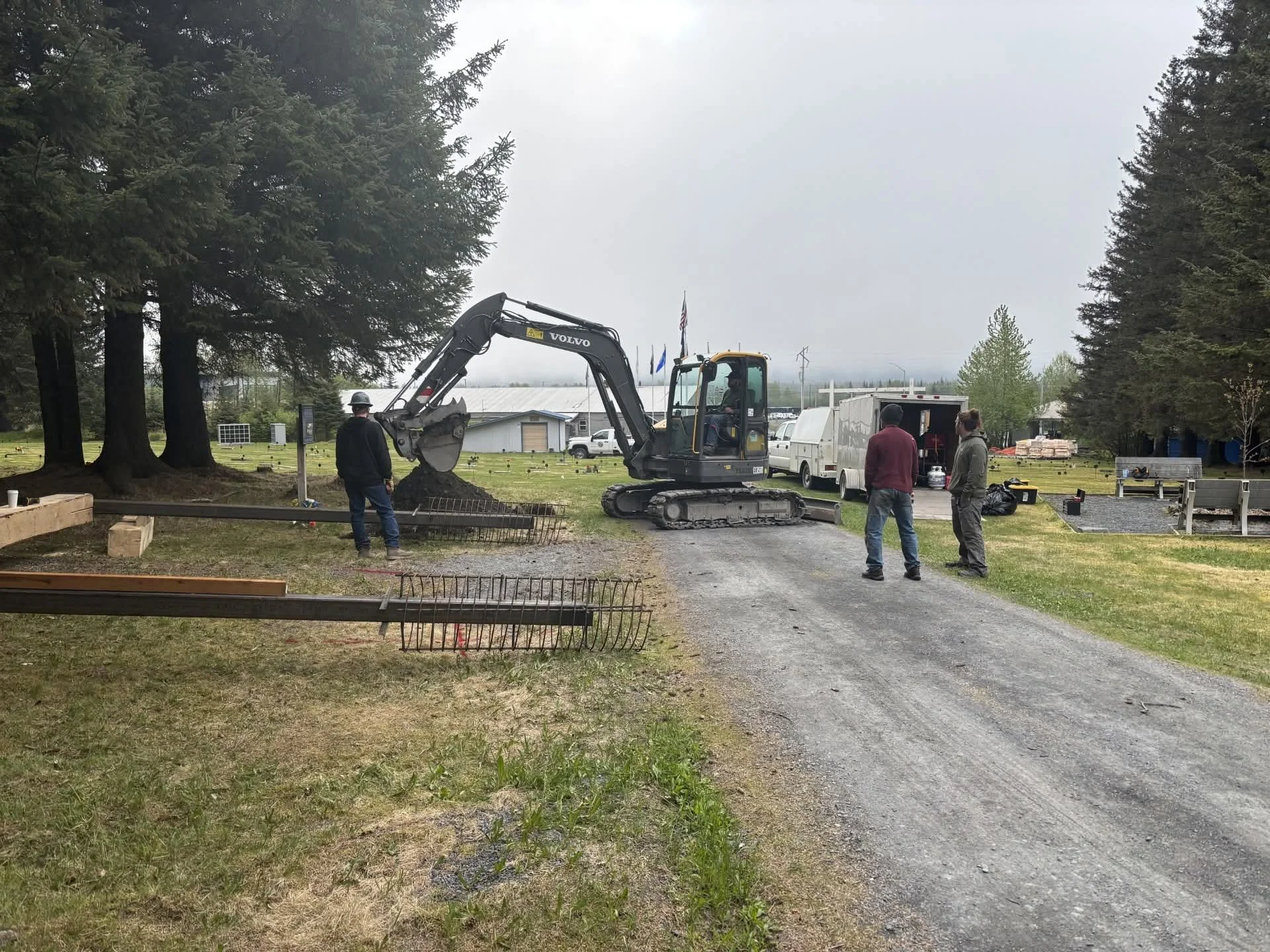
Planning development on cemetery grounds carries an extraordinary responsibility.
Years of work have demonstrated that not every burial location is marked above ground.
That is why surveying and mapping remain essential to the 2026 work.
Ground Penetrating Radar surveys have identified subsurface anomalies that may represent burial features, helping establish burial boundaries and providing information that can guide pathway placement, preservation planning, and memorial design.
This information helps ensure that development does not come at the expense of the very people the memorial exists to honor.
The goal is not to reshape the cemetery without regard for its history.
The goal is to understand the land carefully enough to protect it.
Every pathway must respect what may lie beneath it.
Every design decision must consider burial areas.
Every step forward must remain grounded in cultural respect and preservation.
Technology Helping Protect History

The project has continued using advanced mapping technology to better understand the cemetery.
LiDAR scanning has provided detailed topographical information that can help create accurate three-dimensional models of the grounds, identify possible previously unknown burial locations, better understand the cemetery layout, and assess existing grave markers.
What once could only be searched for with old maps, physical markers, and historical records can now also be examined through modern technology.
But technology does not replace the human purpose behind the work.
A scan is valuable because it may help protect a grave.
A coordinate matters because it may identify someone's resting place.
A map matters because it can help preserve sacred ground.
The technology serves the remembrance.
Not the other way around.
Professional Engineering Meets Cultural Responsibility

As the memorial moves forward, the project has entered the professional engineering stage.
PND Engineers, Inc. has been designated as the engineering firm for the Jesse Lee Memorial Project.
Its role includes site evaluation, design development, technical drawings, structural analysis, permitting support, and construction oversight as required. The engineering work is intended to ensure project elements meet applicable codes, safety standards, and specifications while respecting the cultural and historical significance of the cemetery.
That combination is important.
A memorial must be structurally sound.
It must be safe.
It must meet technical requirements.
But it must also belong to the story of the place.
Engineering can determine how something should stand.
Community, history, and cultural responsibility determine why it stands.
Qutekcak Native Tribe Leading the 2026 Memorial
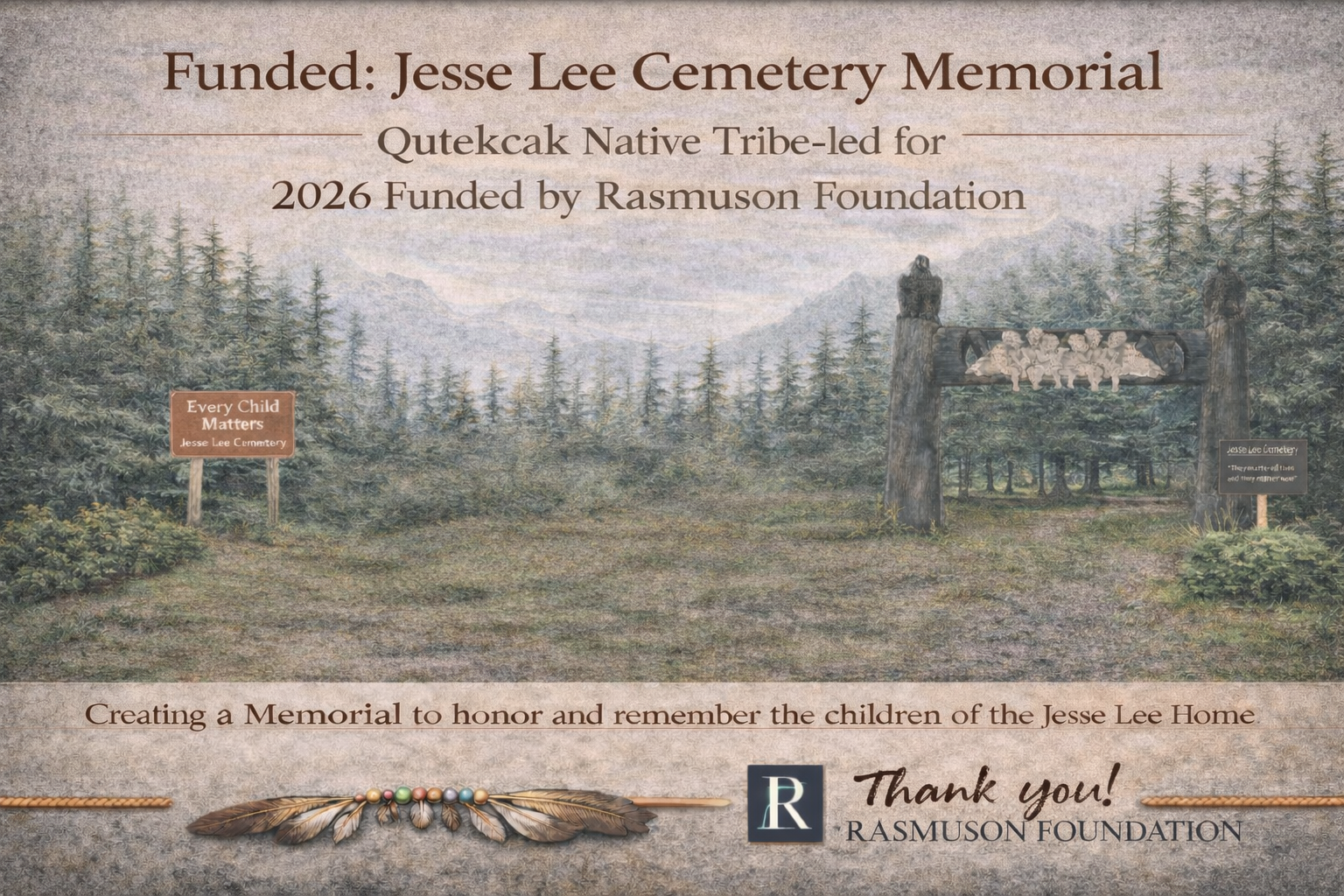
The presentation identifies the Jesse Lee Cemetery Memorial as a Qutekcak Native Tribe-led project for 2026, with funding provided by the Rasmuson Foundation.
That leadership represents years of commitment to this site.
The work did not begin when memorial planning began.
It began long before.
It began with questions in the archives.
It continued when names were found that had not been included on the existing memorial.
It continued when volunteers stood in thick vegetation and began clearing the land.
It continued when buried markers were found.
It continued through mapping, research, maintenance, community gatherings, descendant research, preservation, and remembrance.
The memorial is possible because that foundation already exists.
Remembering the People Who Helped Carry the Work
No project of this scale happens alone.
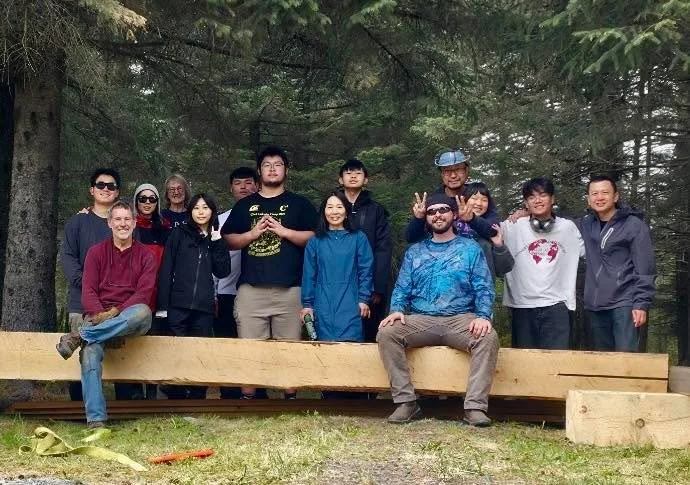
The Jesse Lee Cemetery restoration has depended on volunteers, families, community members, organizations, technical partners, and people willing to return year after year.
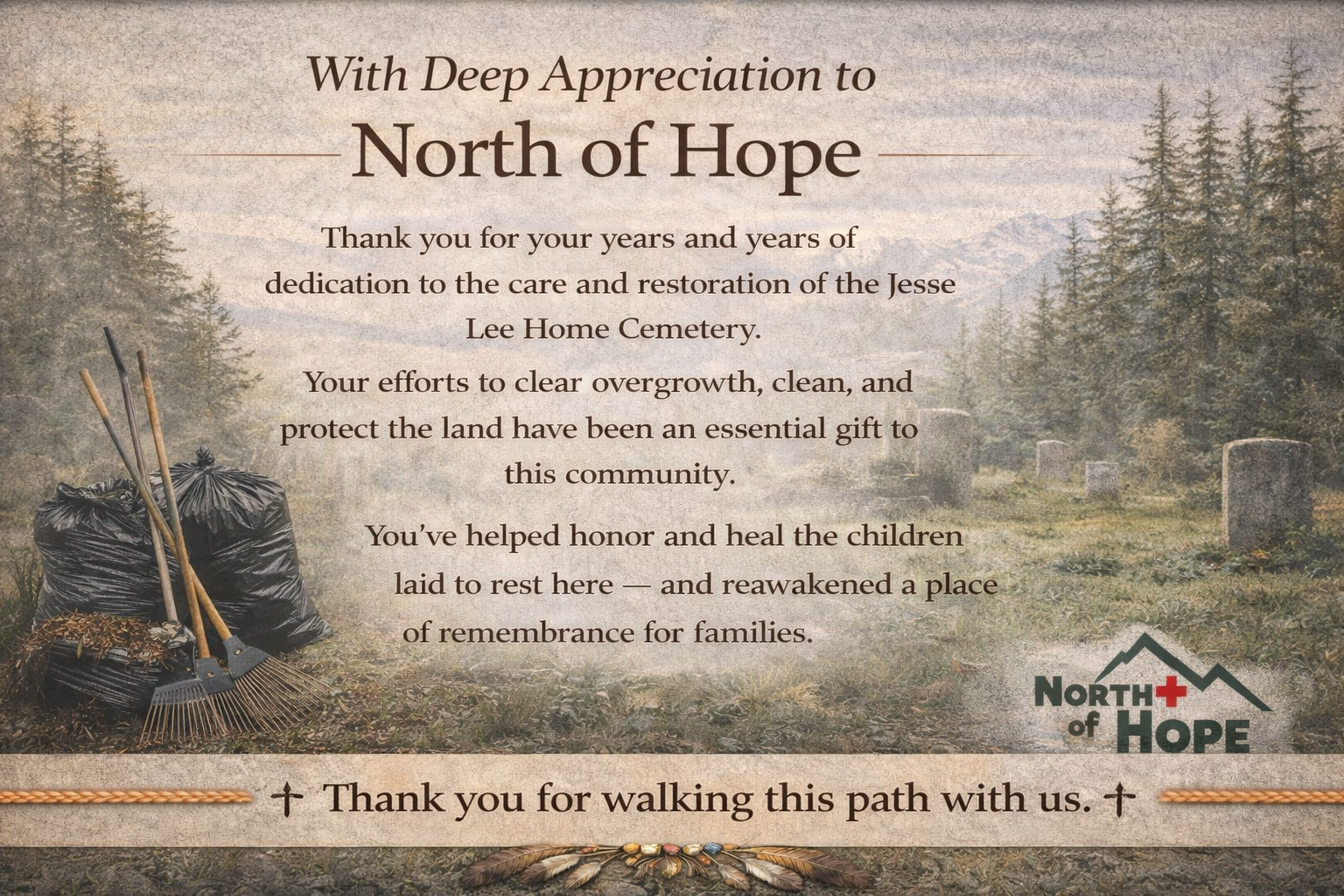
The project specifically recognizes North of Hope for years of dedication to clearing overgrowth, cleaning the cemetery, and protecting the land. Their work helped restore a place of remembrance for children and families.
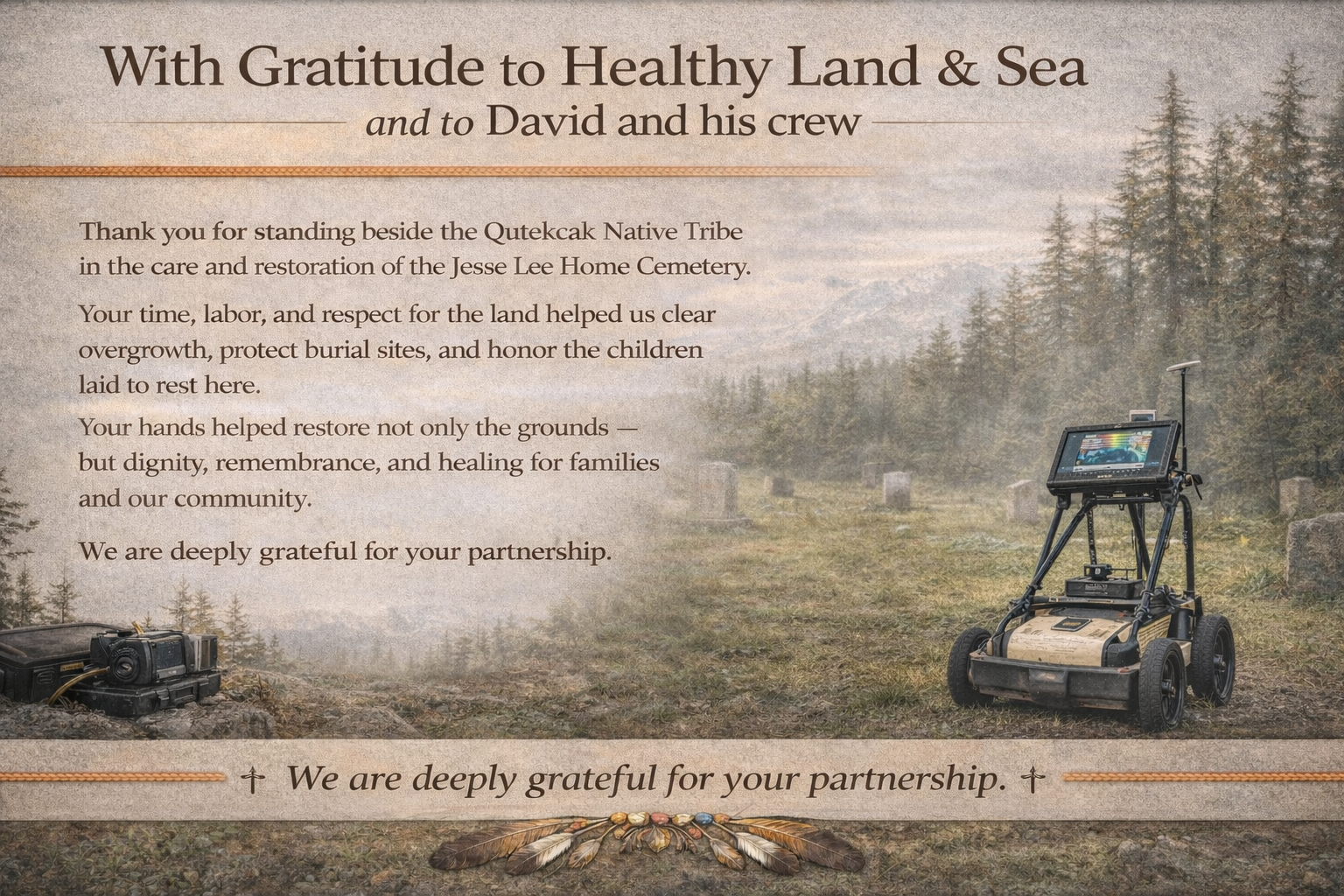
The project also recognizes Healthy Land & Sea and David and his crew for technical expertise and assistance with LiDAR scanning. That support helped gather mapping and survey information needed for preservation, planning, and future memorial development.
And beyond the named partners are countless people whose contributions became part of the restoration.
People who hauled brush.
People who researched records.
People who brought equipment.
People who scanned the ground.
People who maintained the cemetery.
People who shared knowledge.
People who gathered.
People who remembered.
The project itself acknowledges the extraordinary amount of physical labor, research, planning, preservation work, and community commitment that made the restoration possible.
A Memorial Is a Promise to the Future
The Jesse Lee Memorial is about history.
But it is also about the future.
Someday, someone who was not present for the restoration will walk through this place.
They may never know what the cemetery looked like when brush covered the grounds.
They may never see the truckloads of vegetation volunteers removed.
They may never watch crews search beneath the soil.
They may never sit through hours of archival research.
They may never see the original records that started the search.
They may simply see a cared-for cemetery.
A memorial.
A pathway.
Names.
A place of peace.
And that is part of the point.
Future generations should not have to begin again.
They should inherit what has already been recovered.
They should inherit the names.
The maps.
The records.
The stories.
The protected graves.
And the responsibility to continue remembering.
We Found Them. Now We Keep Their Memory
The story of Jesse Lee Cemetery began with searching.
Searching records.
Searching the ground.
Searching for descendants.
Searching for answers.
But restoration changes the question.
Eventually, the work is no longer only:
Where are they?
It becomes:
How do we make sure they are never forgotten again?
That is what the memorial represents.
A permanent answer.
The children of the Jesse Lee Home were here.
They lived.
They belonged to families and communities.
Their lives cannot be measured only by the circumstances of their deaths.
Their graves deserve protection.
Their names deserve to be spoken.
Their stories deserve to be carried forward.
And the land where they rest deserves dignity.
The Work Continues
As of 2026, the Jesse Lee Cemetery project continues moving through restoration, scanning, preservation, engineering, and memorial development.
There is still work ahead.
But look at how far this journey has already traveled.
From records...
to names.
From overgrowth...
to visible ground.
From lost markers...
to documented burial areas.
From unanswered questions...
to families and descendants being researched.
From a cemetery hidden by time...
to a place being restored with intention.
And now, from remembrance...
to a memorial designed to carry that remembrance forward.
The purpose has remained the same from the beginning:
To honor the children.
To protect their resting places.
To preserve their history.
And to ensure they are never allowed to disappear from memory again.
They mattered then.
They matter now.
And they will matter for generations to come.
This is Part Six of “They Mattered Then. They Matter Now: The Jesse Lee Cemetery Story.” series, The story does not end with the memorial. Qutekcak Native Tribe’s work of preservation, stewardship, family connection, education, and remembrance will continue as this sacred place is carried forward for future generations.
