
2025 — A Year of Stewardship, Community, and Remembrance
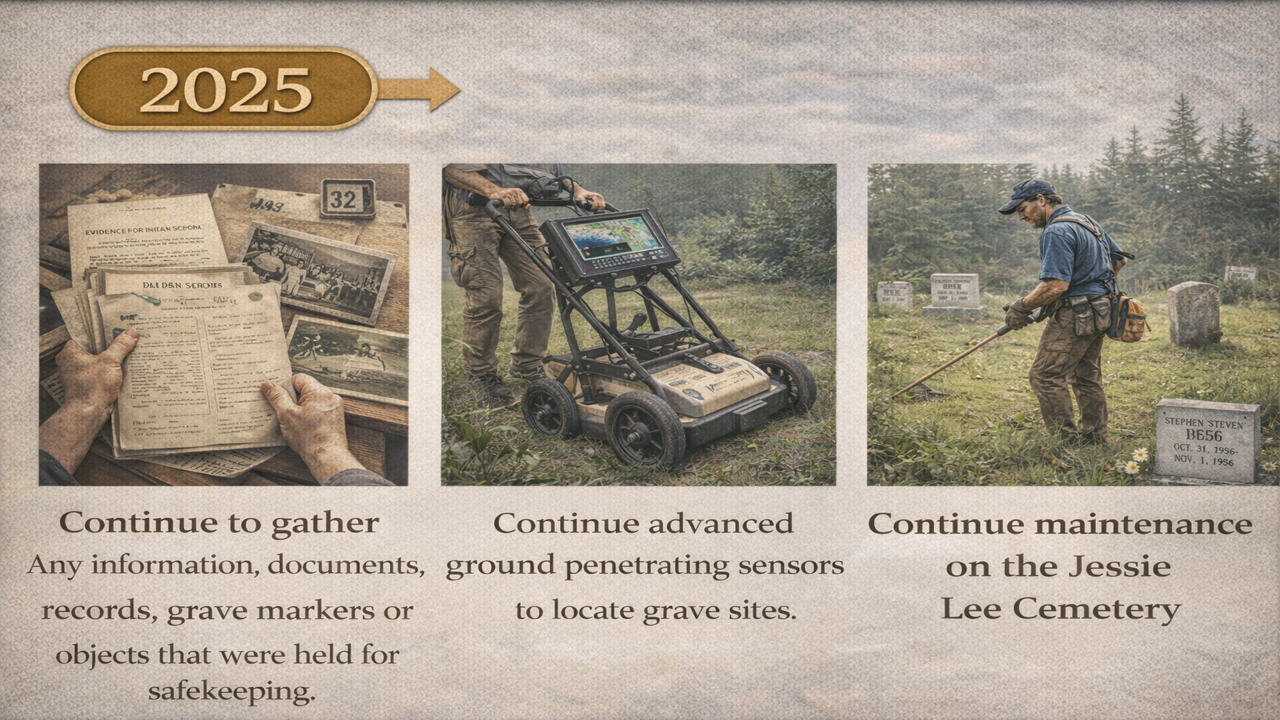
2025 — A Year of Stewardship, Community, and Remembrance
There comes a point in restoration when the work begins to mean something different.
At first, the goal was to find.
Find the records.
Find the names.
Find the graves.
Find the families.
Then came the work of clearing, mapping, documenting, and protecting what had been uncovered.
By 2025, the Jesse Lee Home Cemetery had entered another chapter.
The cemetery was no longer simply a place being reclaimed from years of overgrowth.
It had become a place where people could gather again.
A place where stories could be shared.
A place where history could be acknowledged.
A place where the children could be remembered together.
The project's timeline identifies 2025 as a year of Continued Cleanup & Site Stewardship, with additional volunteer work completed and the grounds further cleared and maintained to protect burial areas.
But stewardship is about more than maintaining land.
It is about caring for what has been entrusted to us.
And in 2025, that responsibility became deeply visible.
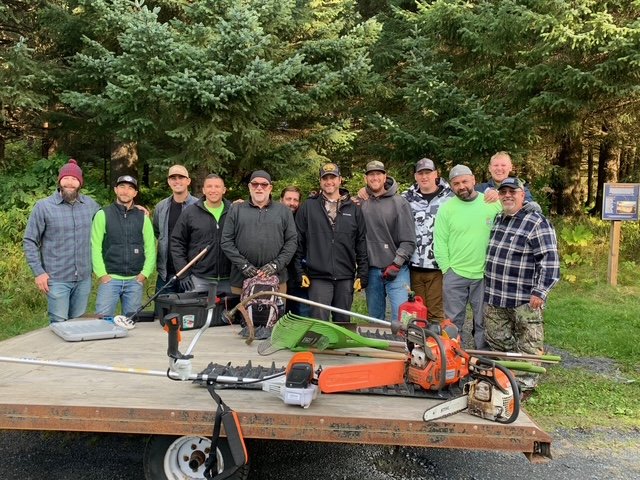
Years of Work Were Changing the Land
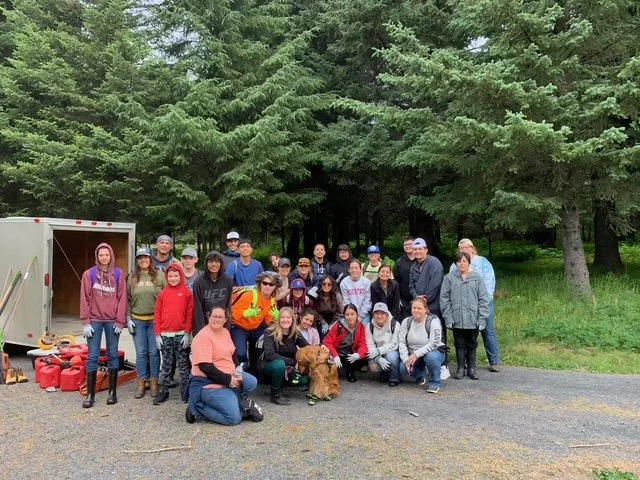
When restoration first began, years of vegetation had overtaken much of the Jesse Lee Cemetery.
Thick brush.
Fallen limbs.
Deep roots.
Weeds.
Rotten stumps.
Areas that could barely be accessed.
Graves and markers that could no longer easily be seen.
The transformation did not happen through one cleanup day.
It happened through years of returning.
Volunteers and community partners continued cutting, hauling, raking, mowing, clearing, and maintaining the grounds until areas that had once been hidden became accessible again.
The project's documentation describes the work as a sustained, multi-year commitment that reopened pathways, uncovered burial areas, and allowed the cemetery to once again be walked with care and reverence.
That continued into 2025.
The land required stewardship because restoration is not something you finish once and walk away from.
The vegetation comes back.
Weather changes the landscape.
Markers need protection.
Burial areas need to remain visible and undisturbed.
Sacred ground requires continued care.
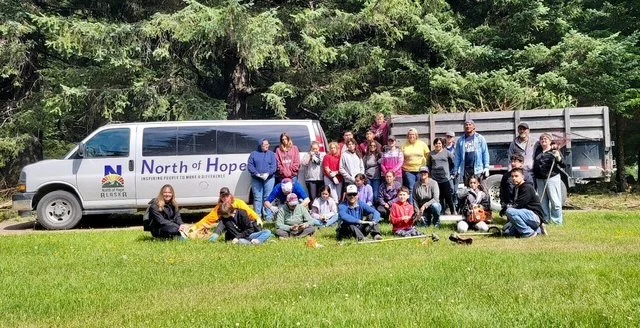
Many Hands Carried the Work
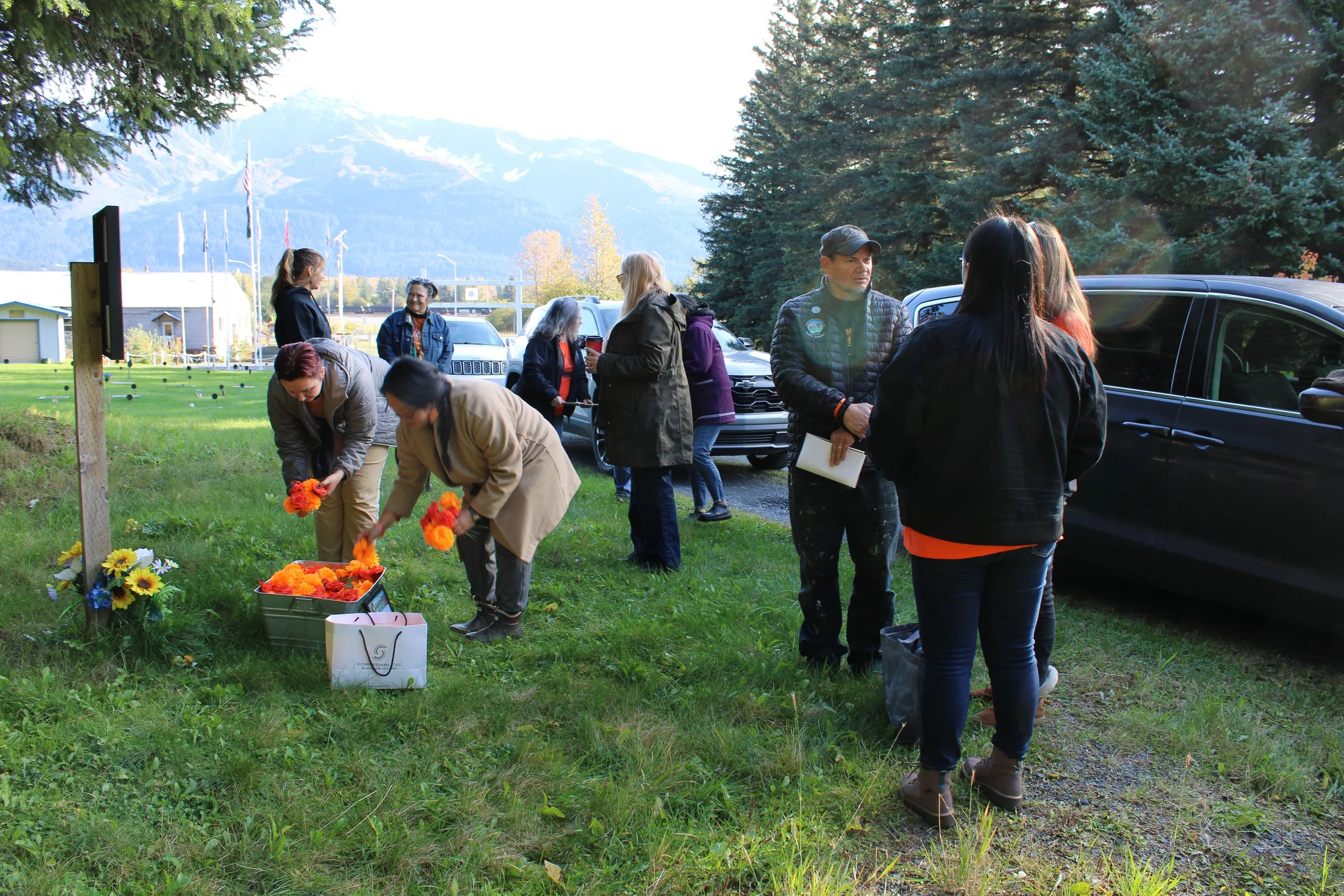
The Jesse Lee Cemetery restoration has never belonged to one person.
Its progress has been possible because people continued showing up.
Community members.
Volunteers.
Families.
Partners.
People willing to bring their time, equipment, knowledge, strength, and care.
The project describes volunteers and community partners working together to clear heavy overgrowth, remove debris, maintain the grounds, and protect the resting place of the children.
Every load of brush removed mattered.
Every pathway reopened mattered.
Every marker protected mattered.
Every hour spent on the land mattered.
Because each act of physical labor carried a larger message:
This place is worth caring for.
These children are worth remembering.
A Place for Community Again
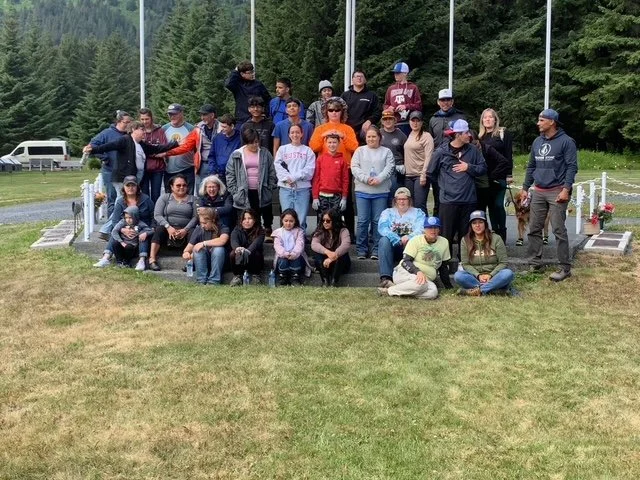
As the land changed, something else began happening.
People could gather there again.
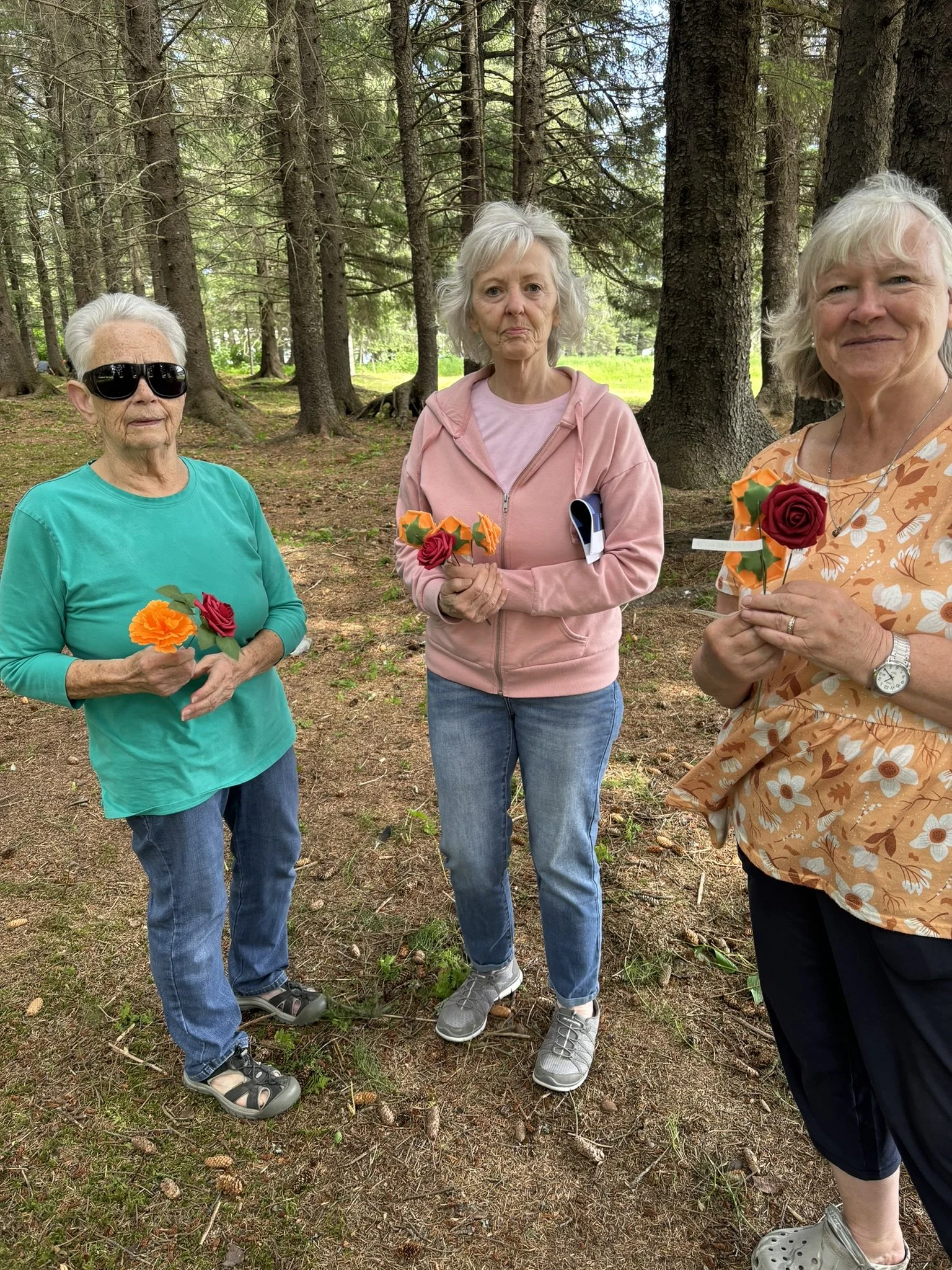
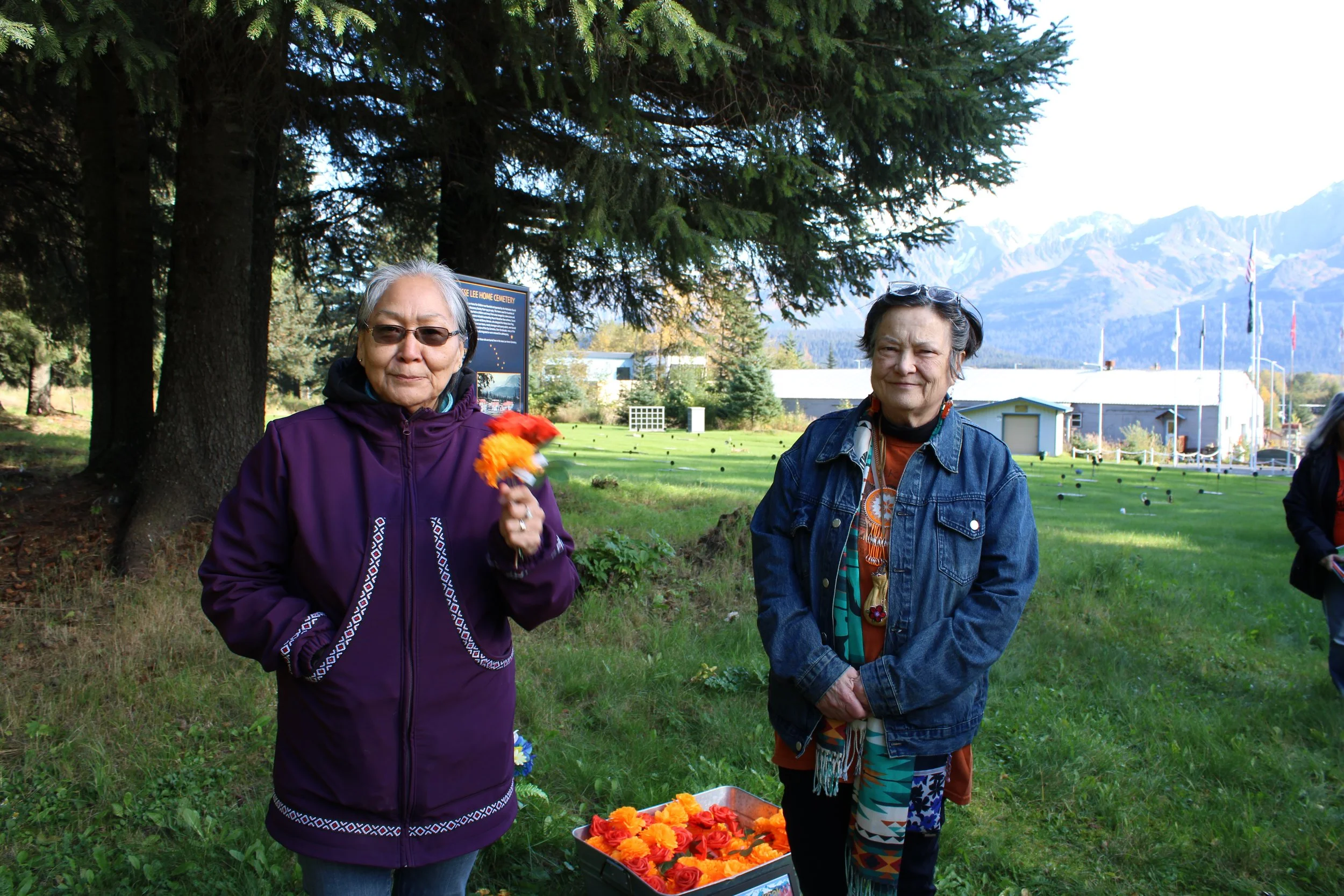
Elders, youth, families, volunteers, and community partners came together at the cemetery not only to work, but to spend time together, share meals, tell stories, and remember the history connected to the land.
That may seem simple.
But it represents an important part of restoration.
For years, overgrowth had made parts of the cemetery difficult to access.
Now people could stand on the land together.
They could walk through it.
They could learn there.
They could remember there.
They could talk about the children there.
The cemetery was becoming more than a restoration site.
It was becoming a place of connection.
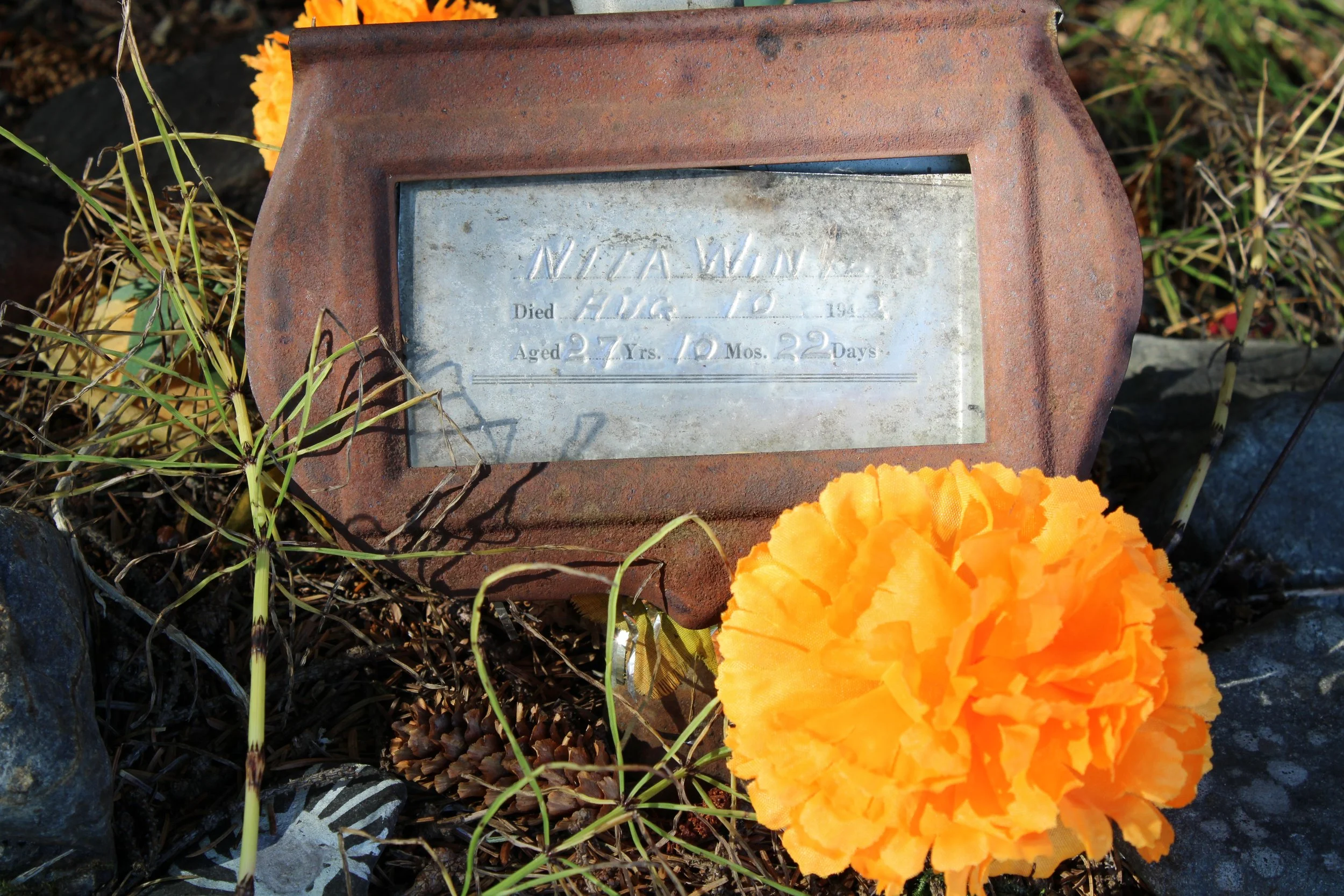
September 30, 2025

Then came a day that captured what years of work had been moving toward.
September 30, 2025.
National Day for Truth and Reconciliation.
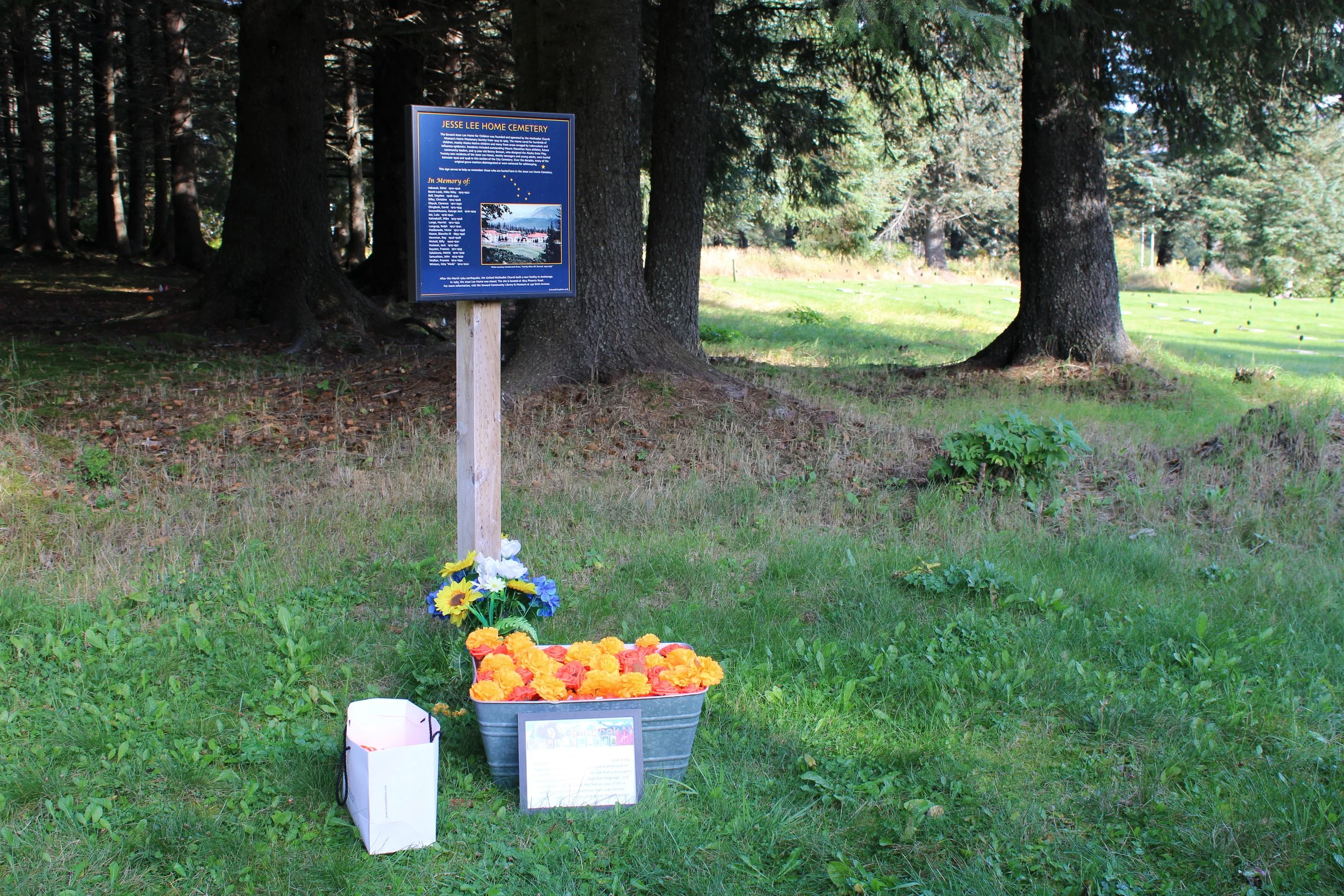
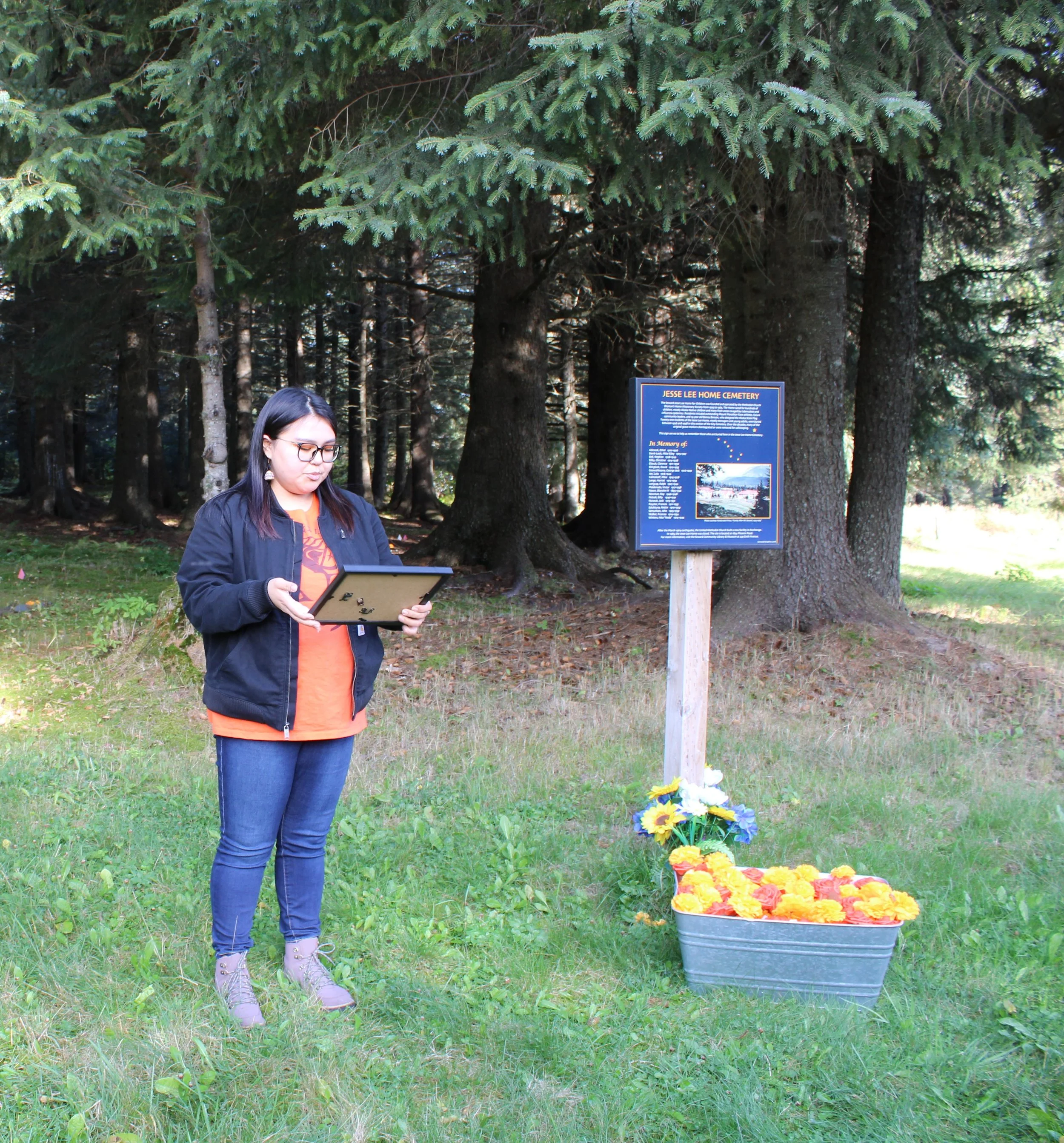
At Jesse Lee Cemetery, people gathered in remembrance of the children.
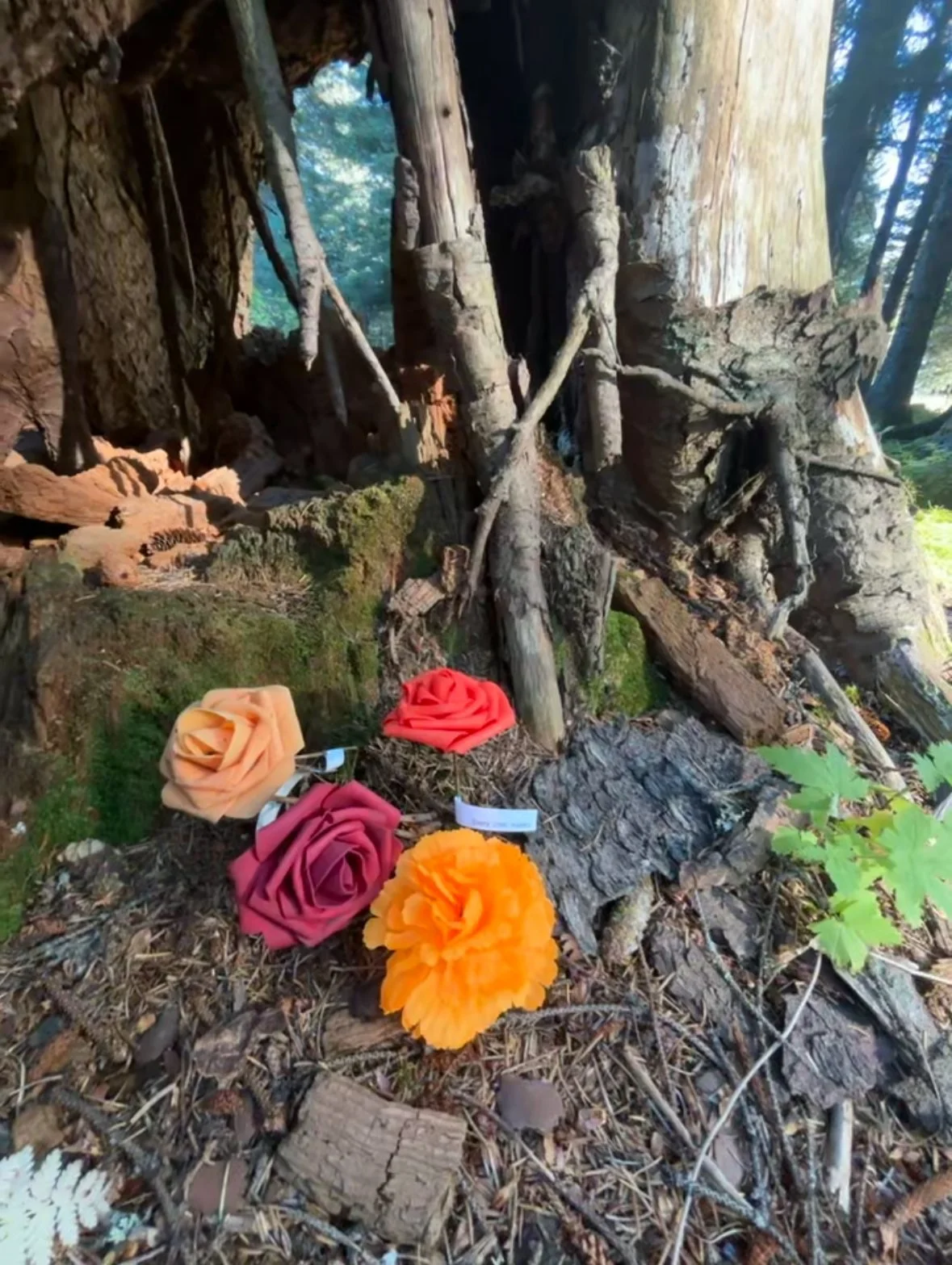
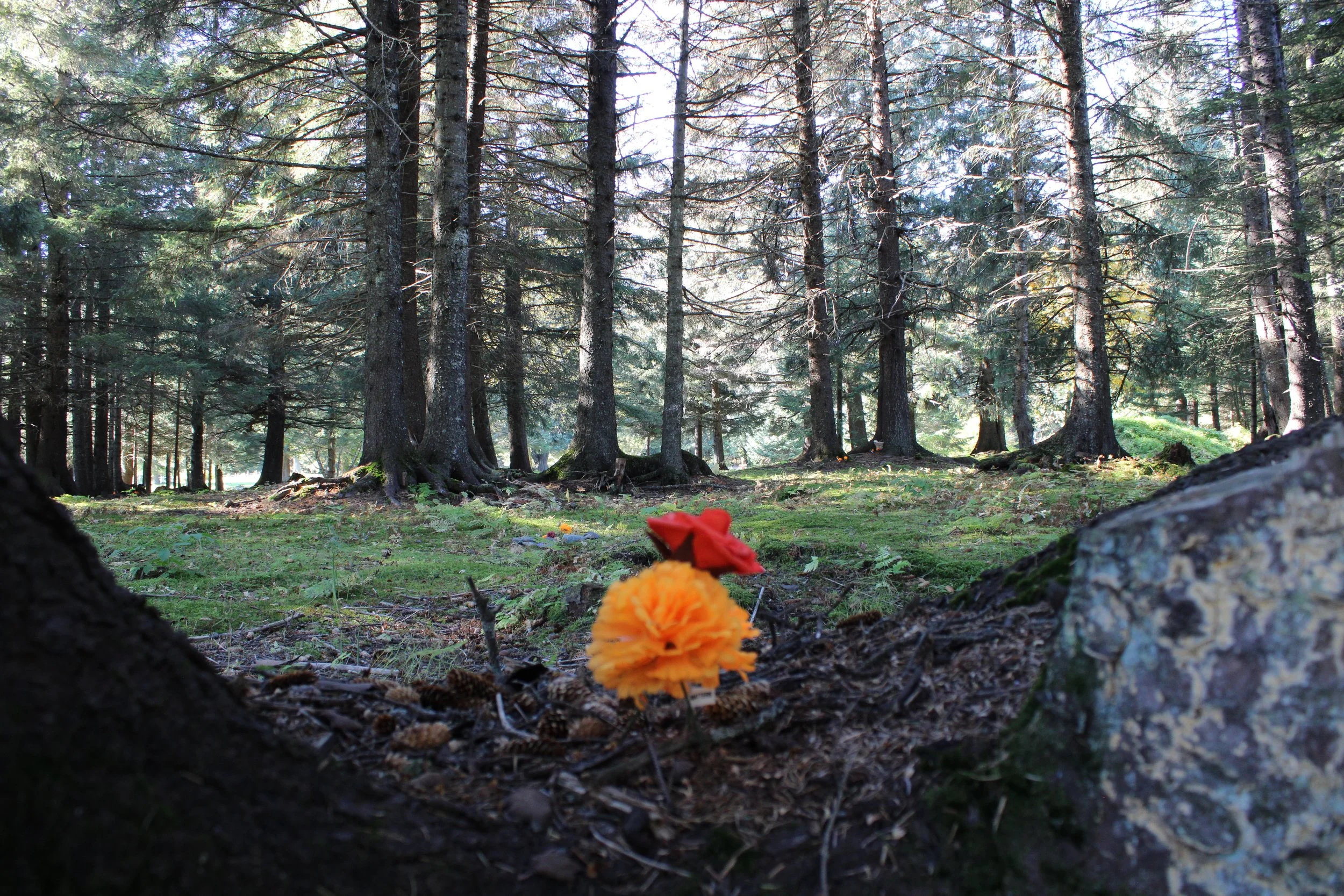
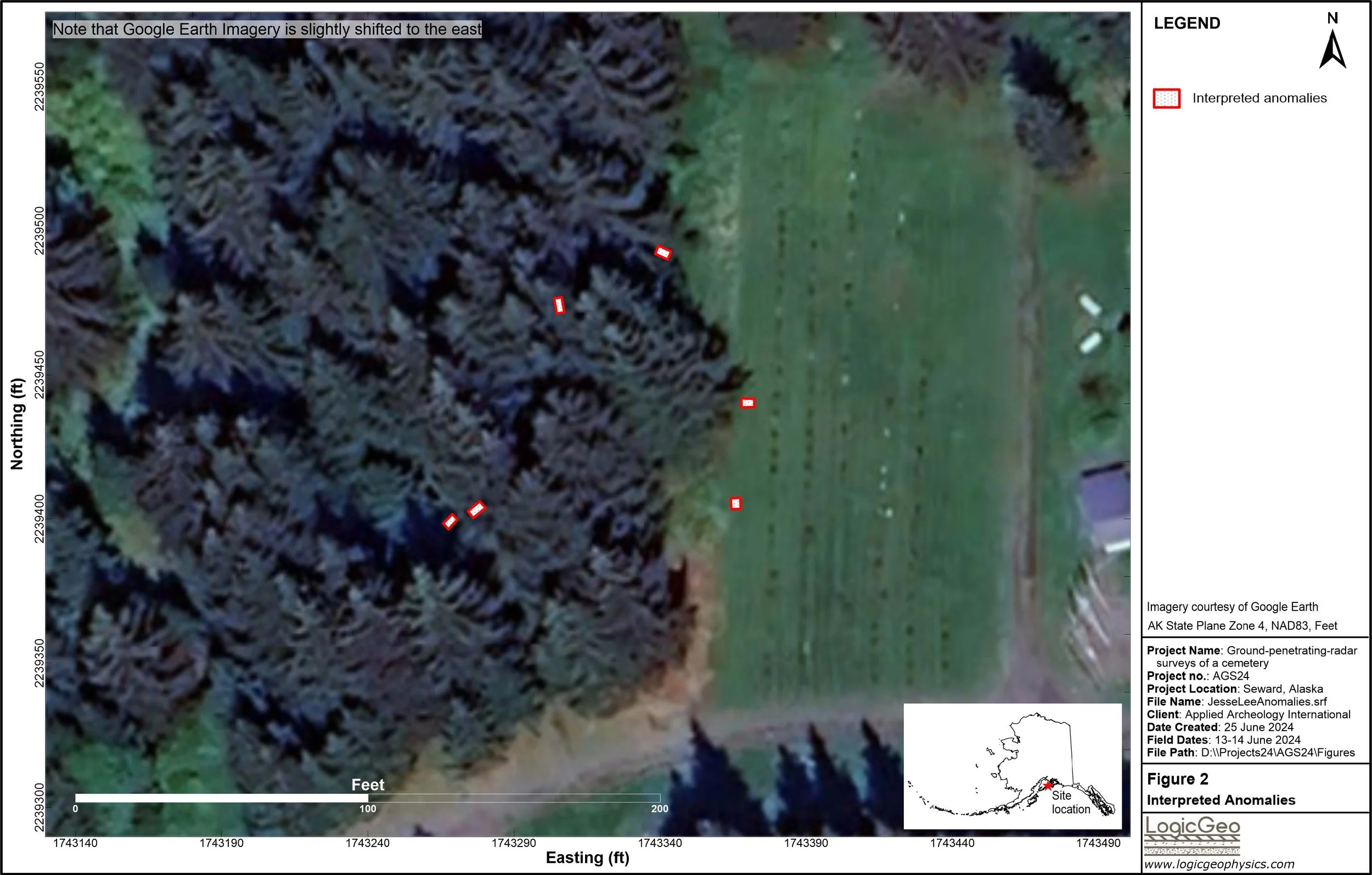
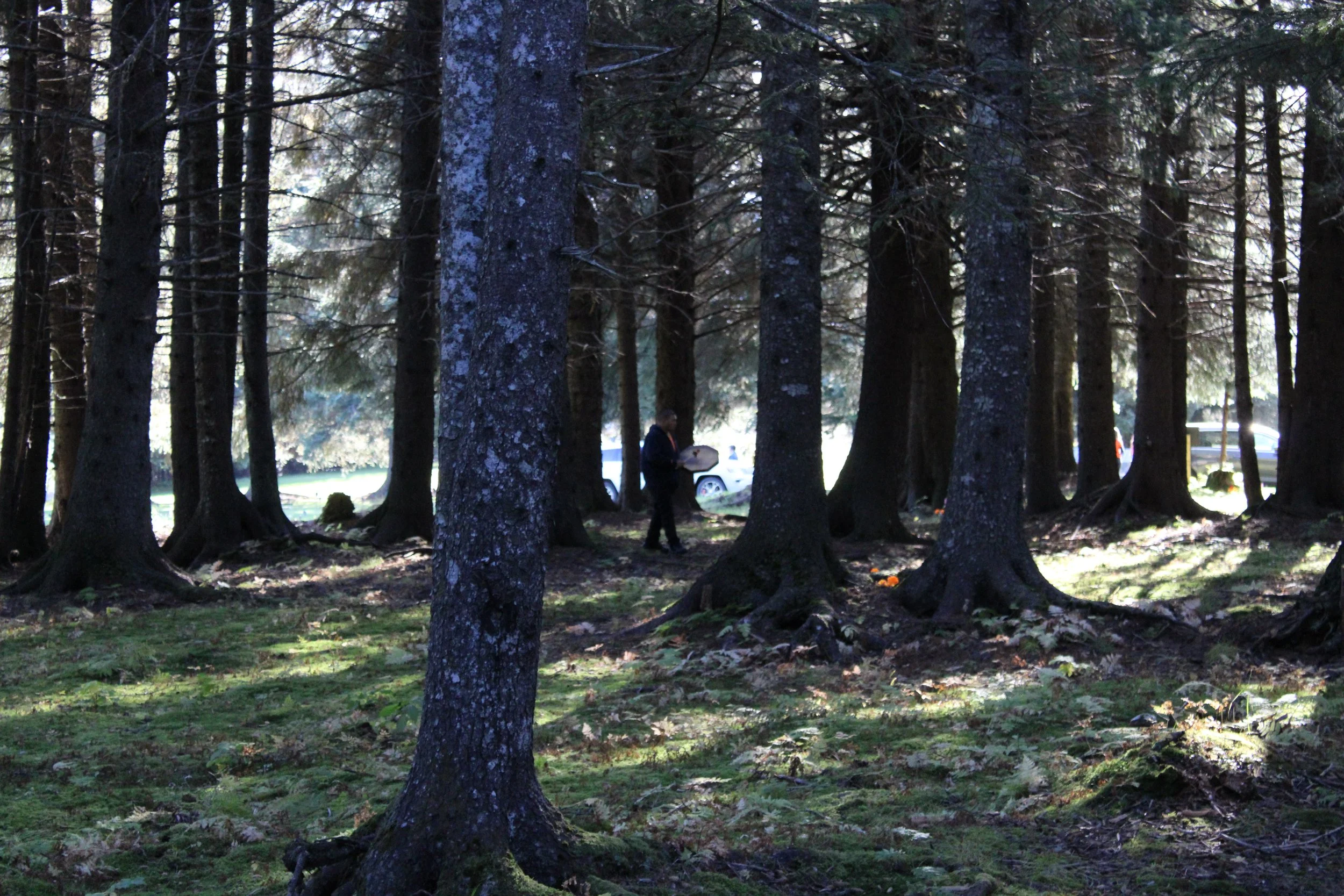
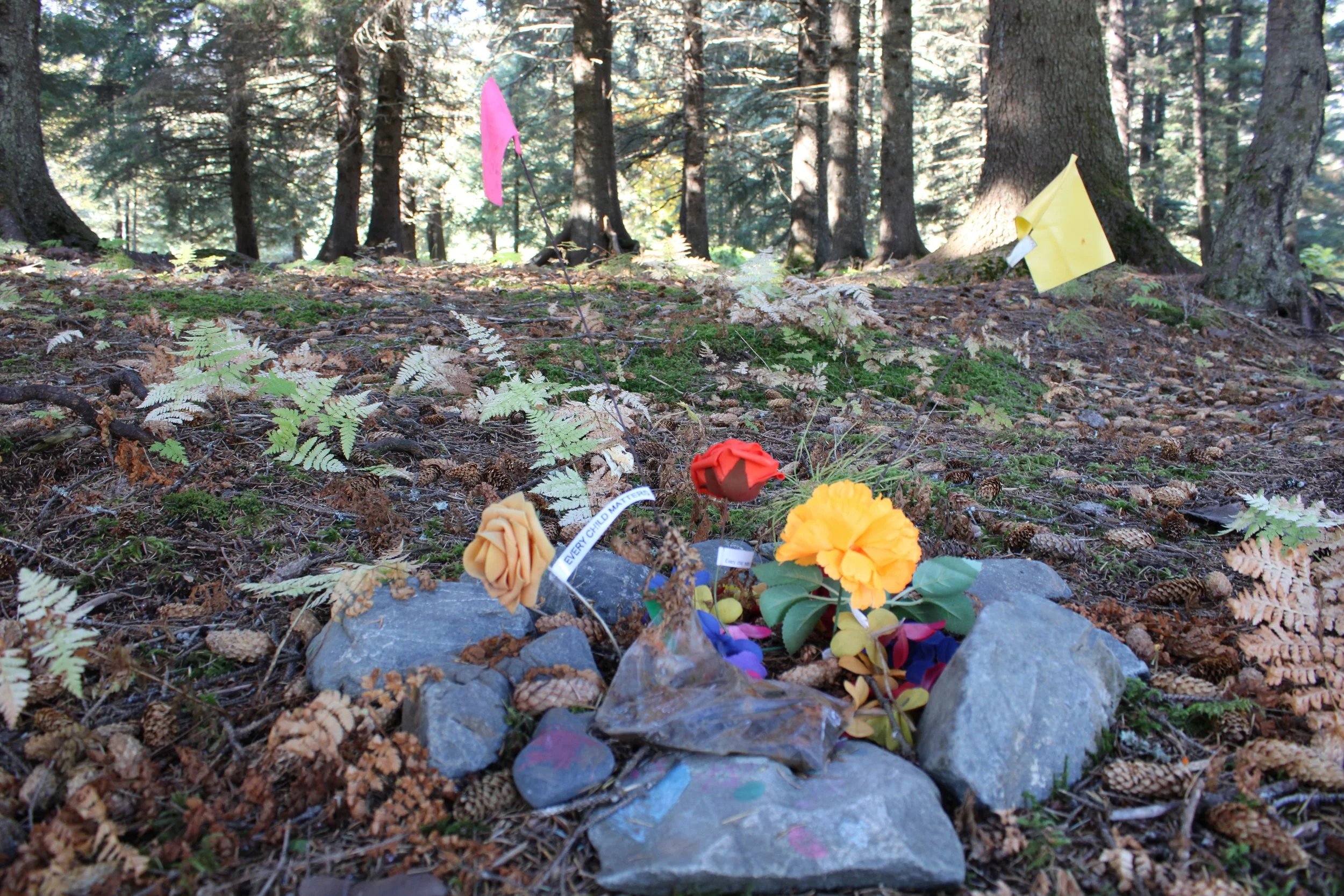
The project's record describes a quiet scene beneath the evergreens.
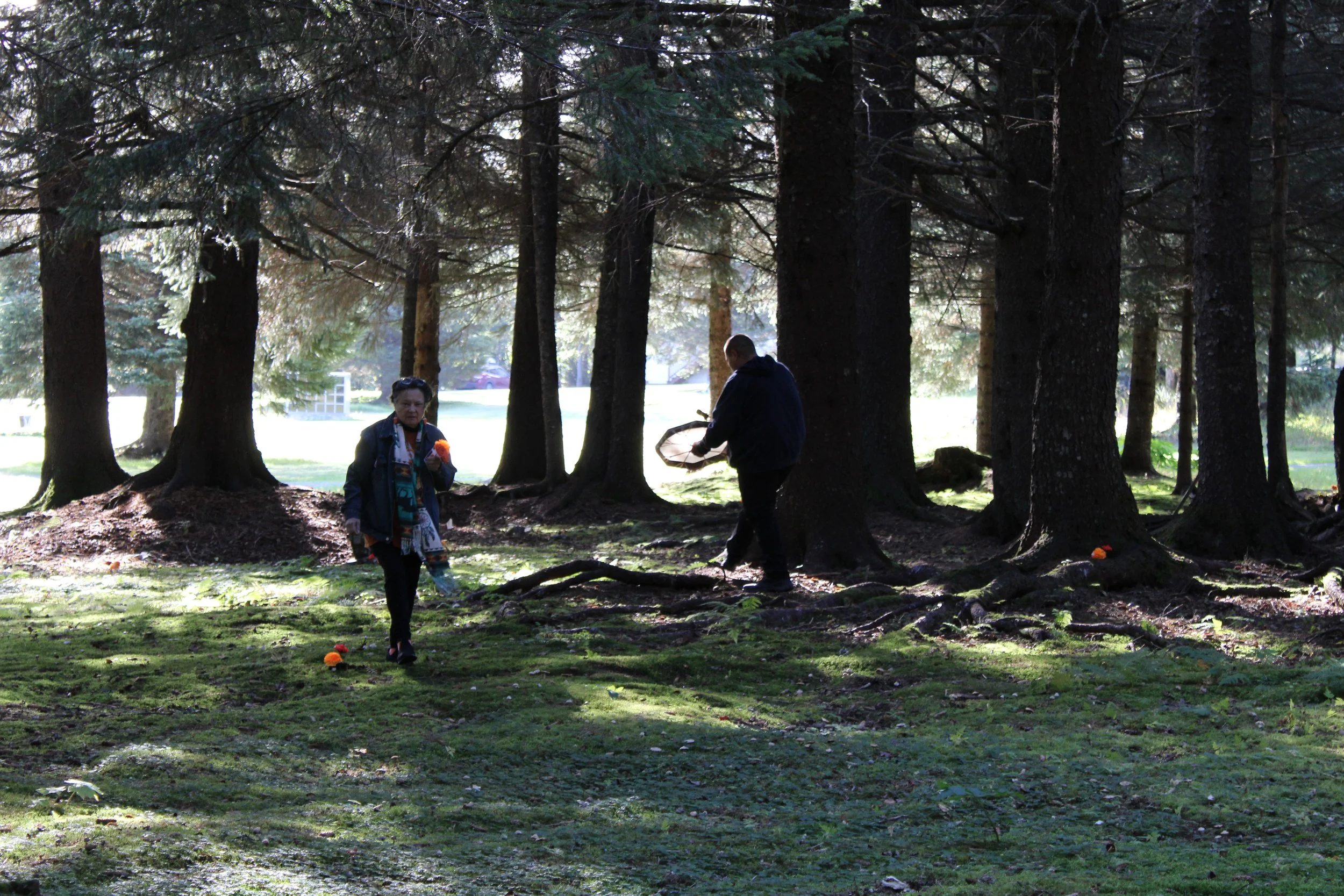
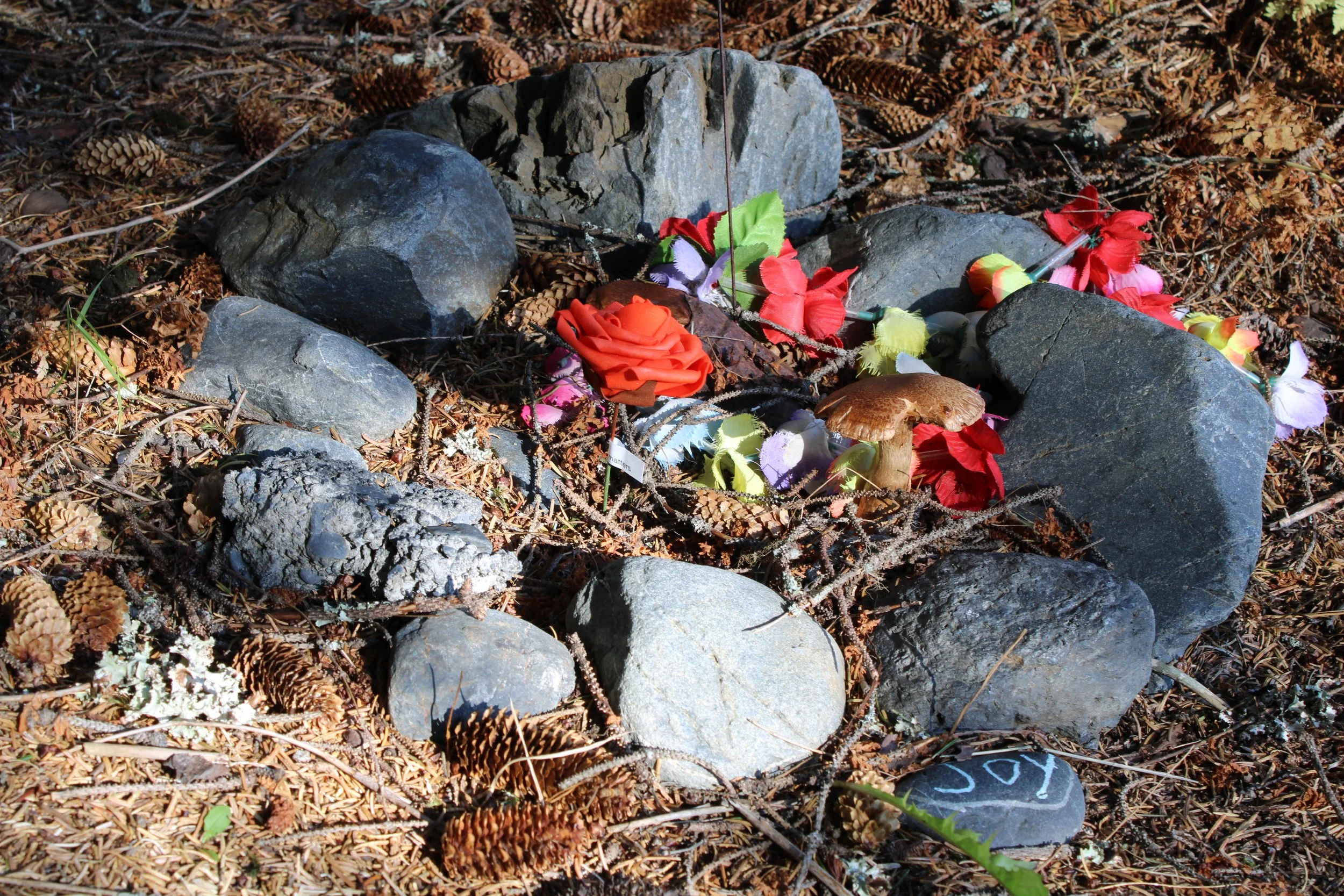
Flowers were placed at the roots of trees.
A drum sounded through the cemetery.
People stood together on the land where history had happened.
The drum was steady and intentional — described as a heartbeat carrying memory through the trees.
This was not simply another event.
It was an act of acknowledgment.
An act of remembrance.
An act of refusing to allow these children's stories to disappear.
The Children Who Never Made It Home
For generations, Native children were separated from their families and communities through institutions like the Jesse Lee Home.
Some returned home.
Some never did.
Some died while they were still children.
And some were buried far from the families and ancestral lands that had known them first.
In 2025, the community gathered at the cemetery specifically to remember the children who never made it home — those who died while at the Jesse Lee Home and now rest in the Seward area.
There is weight in those words.
Never made it home.
For some families, there may have been no final goodbye.
For others, generations may have passed without knowing exactly where a child had been buried.
That is why remembering them where they rest carries such importance.
Truth Comes Before Reconciliation
September 30 is often associated with reconciliation.
But reconciliation cannot exist without truth.
The Jesse Lee Cemetery project has always required both.
The truth of children whose histories were incomplete.
The truth of graves that had become unmarked or difficult to locate.
The truth contained in cemetery records, government documents, death records, and archival files.
The truth beneath the soil.
The truth carried by families.
The 2025 memorial reflected that responsibility.
The project described the day through a series of simple words:
Truth.
Reconciliation.
Memory.
Respect.
And a commitment not to rush past what happened or soften its history.
Sometimes healing begins by standing in the place where history happened and being willing to acknowledge it.
The Drum Spoke for Memory
There are moments when words are not enough.
At the September gathering, the drum carried something words could not.
Its heartbeat moved through the trees.
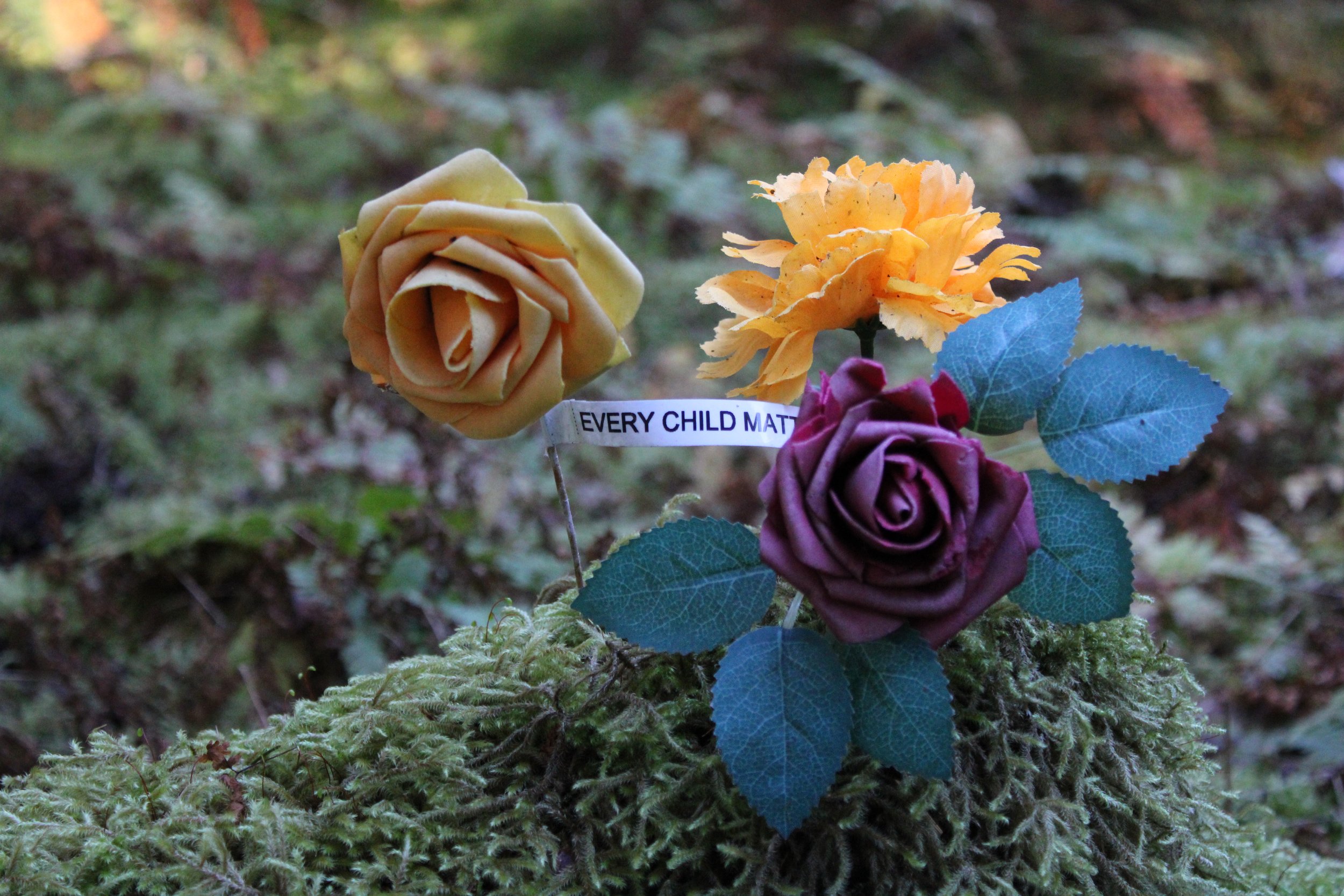
Around it were flowers.
The cemetery.
The earth.
The names and stories that had taken years to recover.
The people standing there now.
And the children who were no longer able to tell their stories themselves.
The gathering created space to listen.
To grieve.
To honor.
And to remember.
Not as statistics.
Not simply as names in a historical record.
But as children.
They Mattered Then
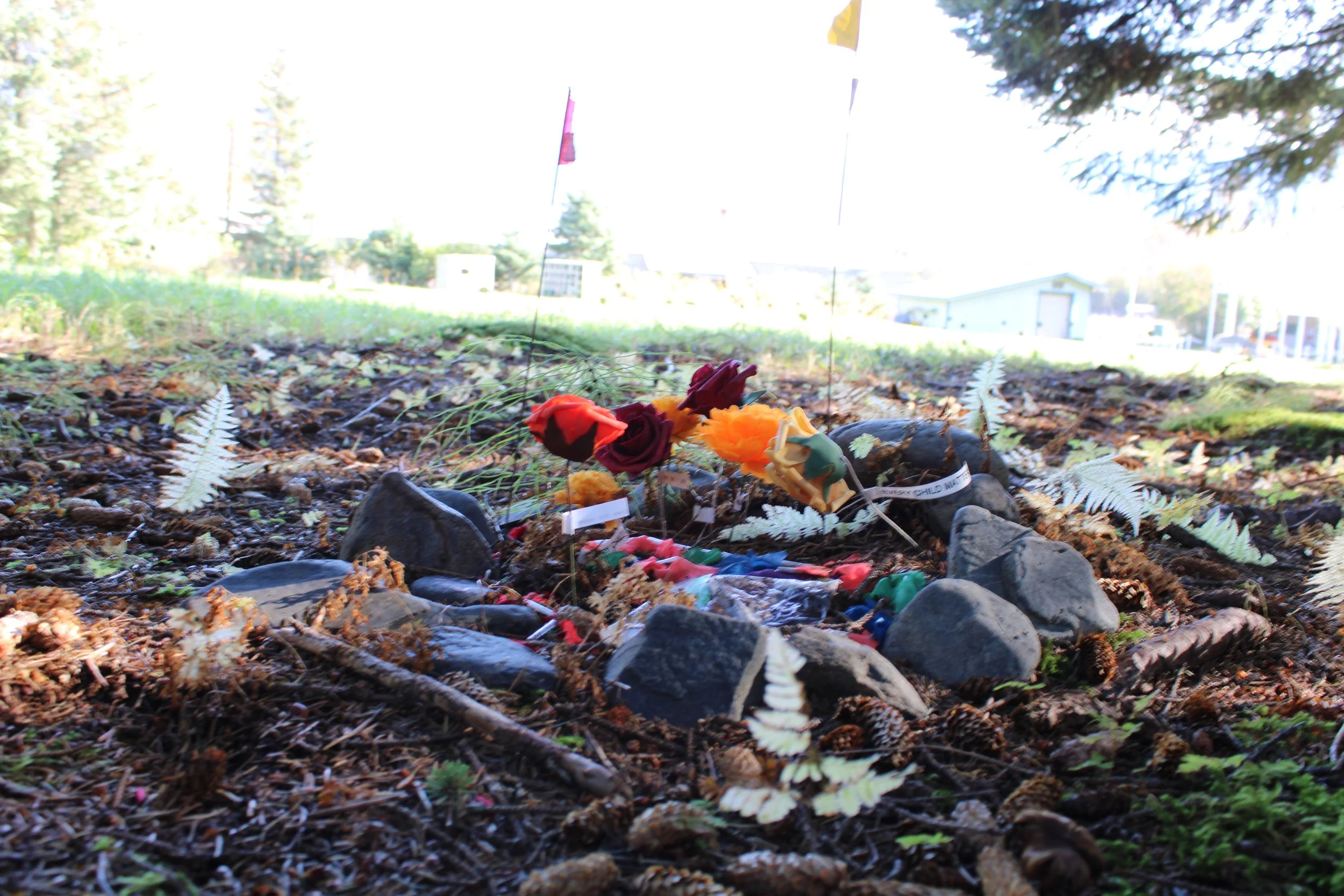
One message became central to the Jesse Lee Cemetery project:
They mattered then. They matter now.
Those words are simple.
But they carry the entire purpose of the work.
The children mattered before anyone began searching archives.
They mattered before the brush was cleared.
They mattered before grave markers were rediscovered.
They mattered before scanning technology mapped the land.
They mattered before plans for a memorial were created.
Their worth was never dependent on whether history remembered them.
The responsibility belongs to us to make sure history does.
Stewardship Means Staying
Perhaps the most important lesson of 2025 was that remembrance requires more than discovering something once.
It requires staying.
Returning to the land.
Maintaining it.
Protecting it.
Teaching the history.
Gathering together.
Speaking the names.
Bringing younger generations into the story.
Creating opportunities for families to reconnect.
And continuing the work even after the initial restoration is complete.
That is stewardship.
The cemetery had been reclaimed from years of overgrowth, but the responsibility to care for it would continue.
Preparing for What Came Next
By the end of 2025, years of work had created the foundation for something permanent.
Research had identified children.
Records had been collected.
Graves had been located and documented.
The grounds had been cleared.
Surveying and mapping had helped reveal what lay beneath the surface.
Community members had returned to the land.
Families and descendants continued to be researched.
And remembrance had become part of the cemetery again.
The next chapter would move toward something people had envisioned throughout the journey:
a lasting memorial.
A place that would tell future generations that these children were seen.
That someone searched for them.
That someone returned to care for their resting place.
That someone remembered.
And that their stories would not disappear again.
On September 30, 2025, beneath the evergreens, the community stood together.
The drum sounded.
The flowers rested on the earth.
And the children were remembered.
They mattered then.
They matter now.
And they will not be forgotten.
This is Part Five of “They Mattered Then. They Matter Now: The Jesse Lee Cemetery Story.” series, Next, we enter 2026 — when years of research, restoration, mapping, preservation, and remembrance begin taking permanent form through the Jesse Lee Cemetery Memorial.