2024 — Preserving Their Stories: Protecting What Had Been Found
2024 — Preserving Their Stories: Protecting What Had Been Found
Finding a name is only the beginning.
Locating a grave is only the beginning.
Clearing the land is only the beginning.
Once history has been uncovered, there comes another responsibility:
protecting it.
By 2024, the Jesse Lee Home Cemetery project had already moved through years of research, grave recovery, cleanup, and mapping. Qutekcak Native Tribe had begun identifying children whose names and burial locations had been scattered across records, hidden beneath overgrowth, or absent from the memorial that had long represented the cemetery.
The work now entered another important stage.
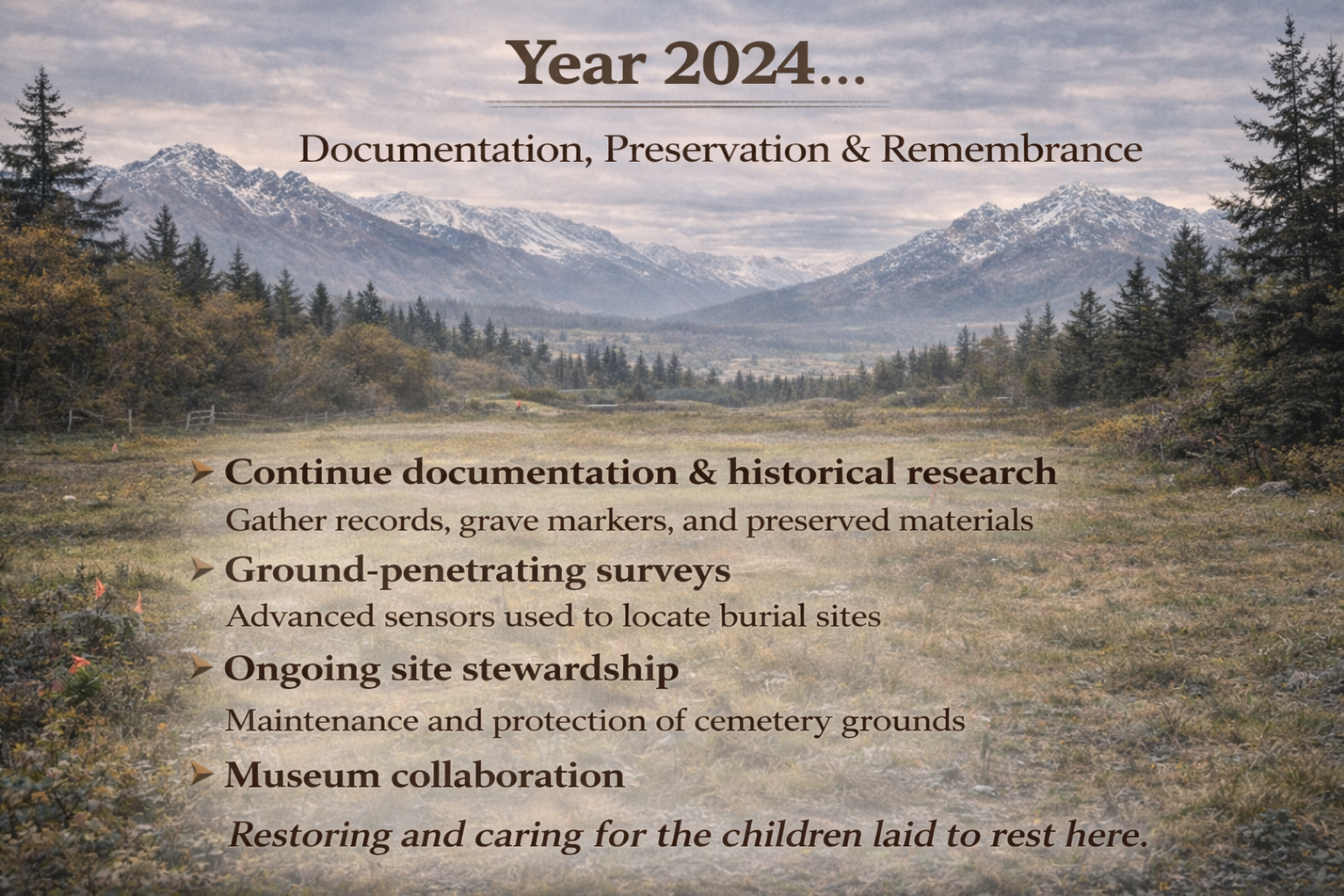
The project timeline identifies 2024 as a year of Documentation & Preservation — continuing records verification, community education, and planning for the protection of the memorial and cemetery site.
The question was no longer only:
What can we find?
It became:
How do we make sure it is never lost again?
More Than Names on a List
Years of research had already shown how easily a person's story can become separated from their name.
When Qutekcak Native Tribe began collecting information about the Jesse Lee Home children, it became apparent that for many of them, only limited details were readily known — often a name, birth date, and death date.
But those children had lives before they became entries in historical records.
They had families.
They had places they came from.
They had communities and ancestral lands.
They had identities that did not always match the names written into government documents.
QNT continued working to collect as much information as possible, including birthplaces, death information, causes of death, ages, occupations, family connections, ancestral lands, burial plots, and whether a grave was marked or unmarked.
Every additional detail mattered.
Because documentation is not simply paperwork.
It is one way of returning identity to someone whose story has been reduced to a line in an archive.
The Challenge of Historical Records
The work was complicated.
Names did not always appear the same from one document to another.
Government-issued names and family names could be completely different.
Names could be misspelled.
Information could be incomplete.
Records created decades apart could contain different versions of the same person's story.
That meant the work required patience.
One document might provide a birth date.
Another might reveal a place of origin.
A cemetery record might provide a plot.
A census record might identify relatives.
A Bureau of Indian Affairs record might offer another connection.
Piece by piece, those fragments could begin forming a fuller picture.
The goal was not simply to build a database.
It was to understand who these children were.
Archives Became Part of the Memorial
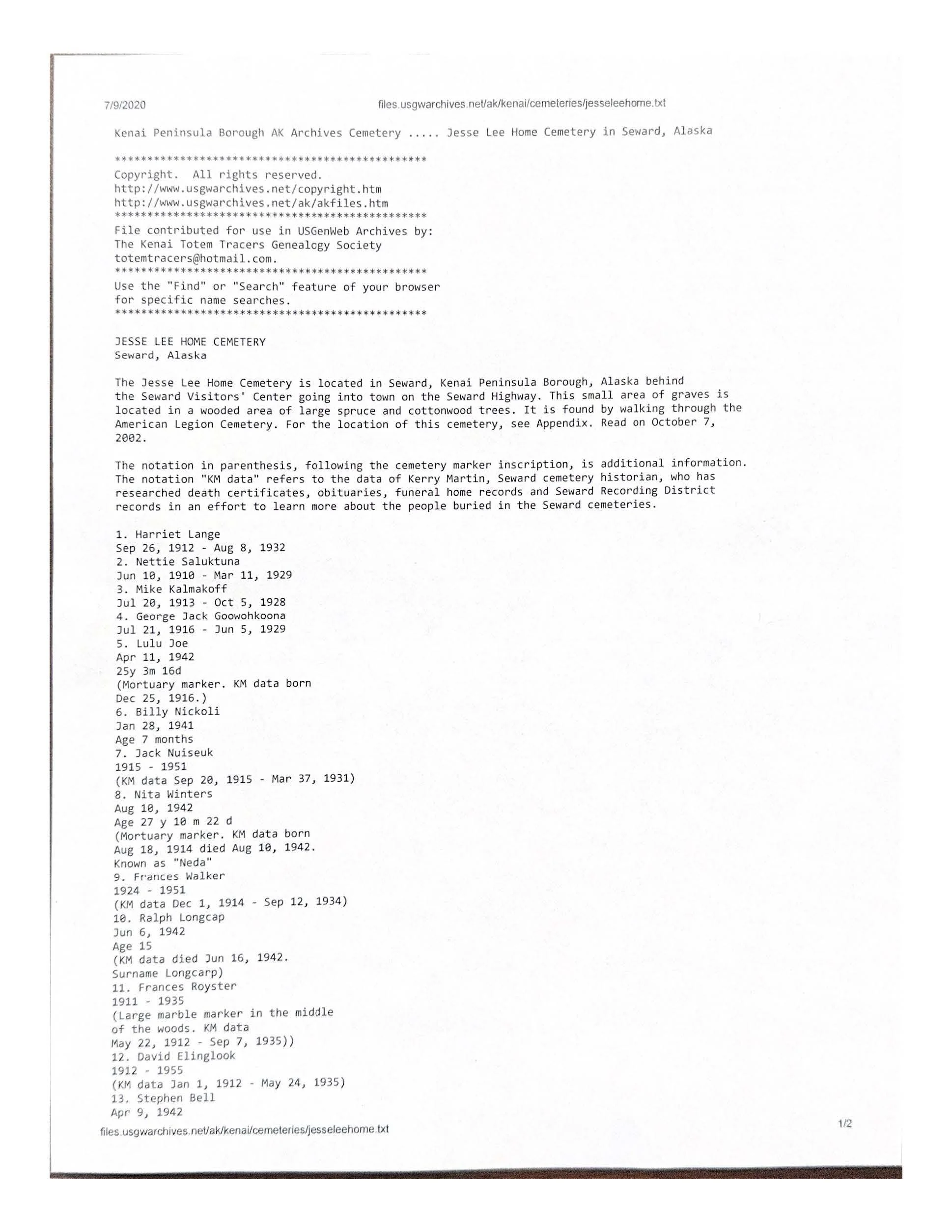
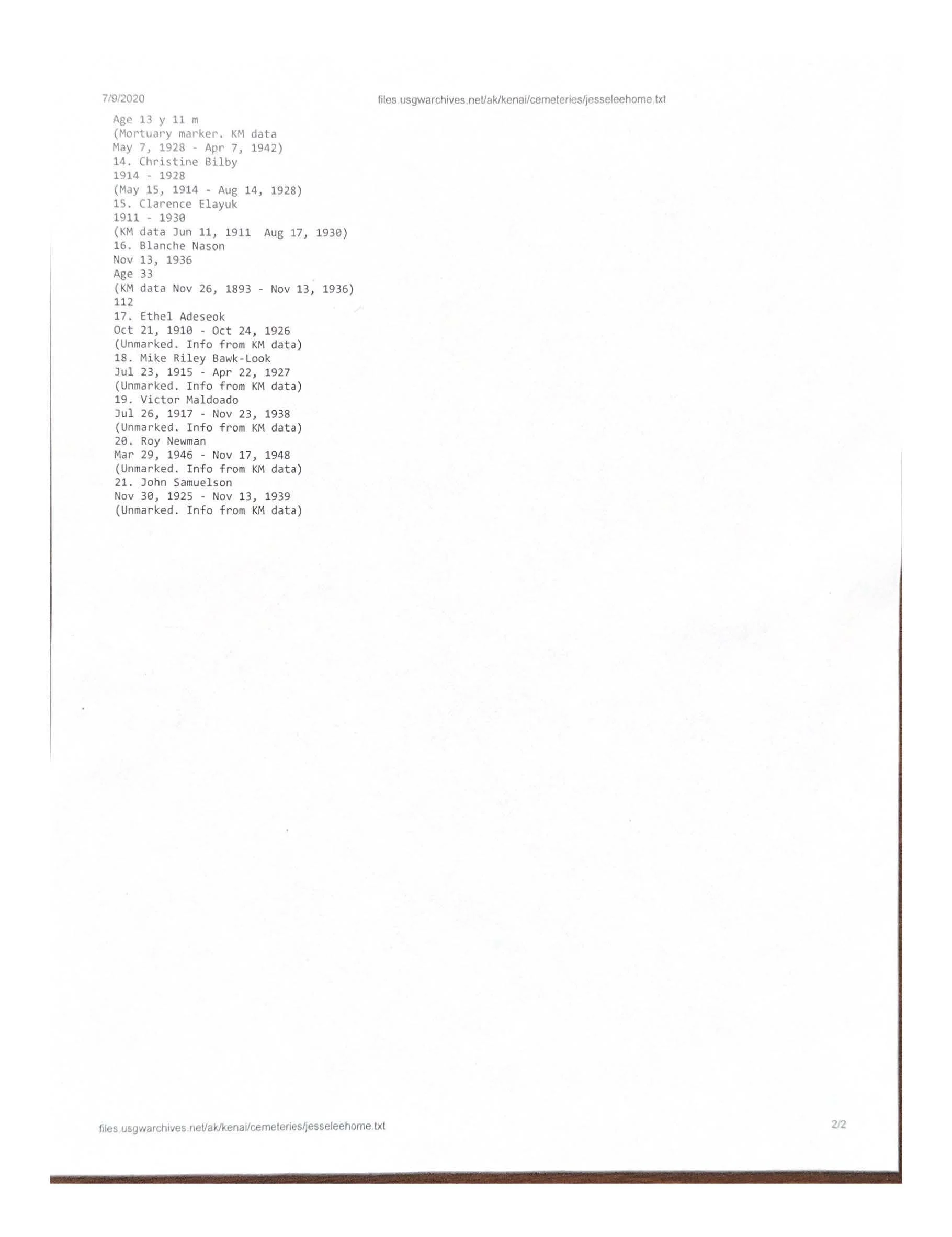
Historical cemetery records obtained through the Kenai Peninsula Borough Archives and USGenWeb had become an important foundation for the project.
Those records helped QNT confirm names and early burial locations, identify marked and unmarked graves, locate birth and death dates when available, and cross-reference information found in city, church, and cemetery records.
That archival work supported everything that followed.
Research informed mapping.
Mapping informed preservation.
Preservation informed future memorial planning.
And all of it helped ensure that decisions about the cemetery were based on a growing body of documented history rather than assumptions.
Finding Families
One of the most important purposes of the research was never about the cemetery alone.
It was about the families.
Qutekcak Native Tribe continued using cemetery records, Bureau of Indian Affairs boarding school records, obituaries, and other historical documents to identify and locate descendants of deceased Jesse Lee Home attendees.
Imagine discovering that someone in your family died far from home.
Imagine learning that their grave had been unmarked for decades.
Imagine not knowing where they had been buried.
Then imagine finally receiving an answer.
That possibility gave the research another purpose.
A burial location is not simply a historical fact.
For a family, it can be a missing piece.
It can be a place to stand.
A place to leave flowers.
A place to speak a name.
A place to grieve.
A place to remember.
Protecting What Could Not Be Replaced
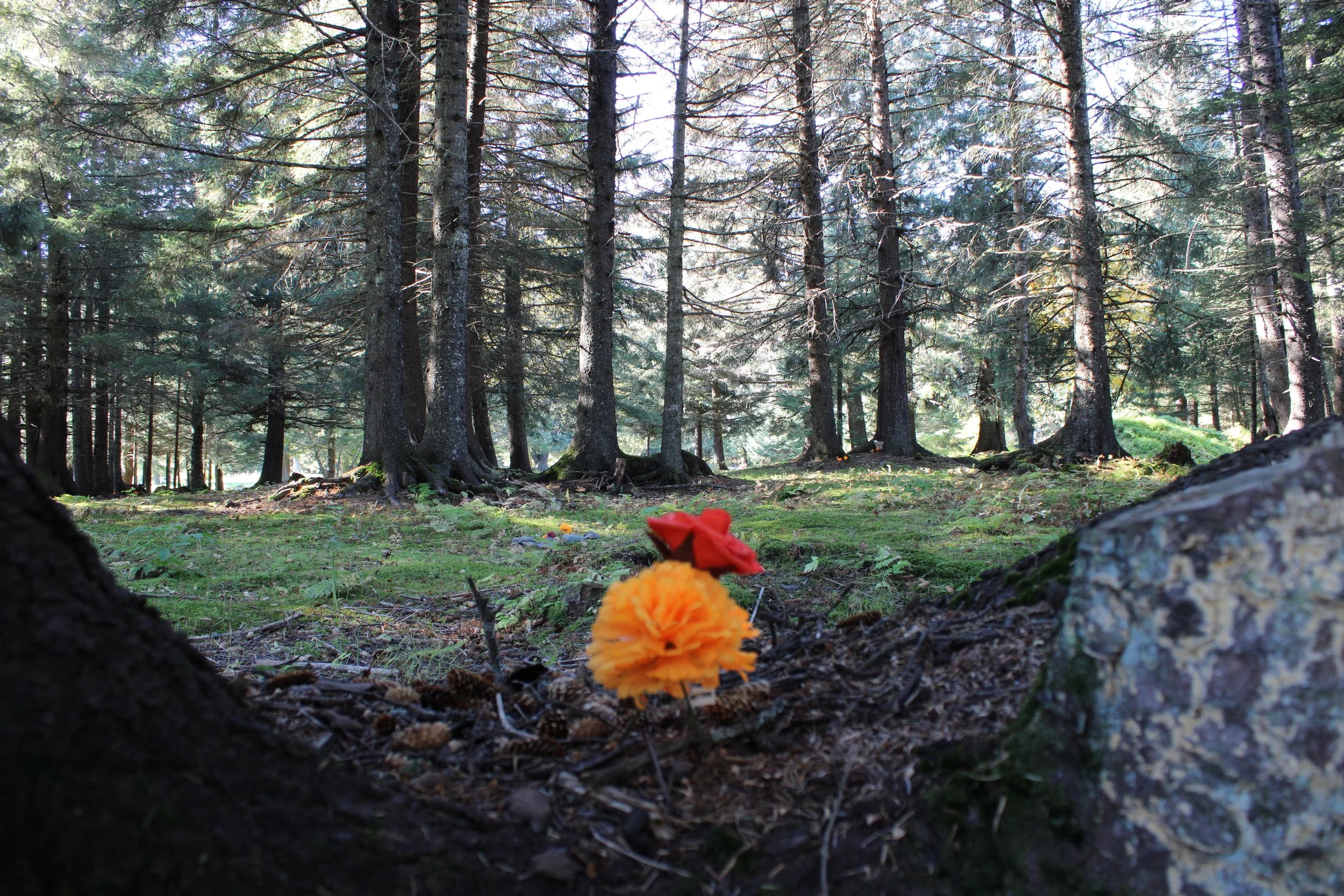
The restoration work had already demonstrated how vulnerable the cemetery had become.
Years of weather and vegetation had concealed resting places.
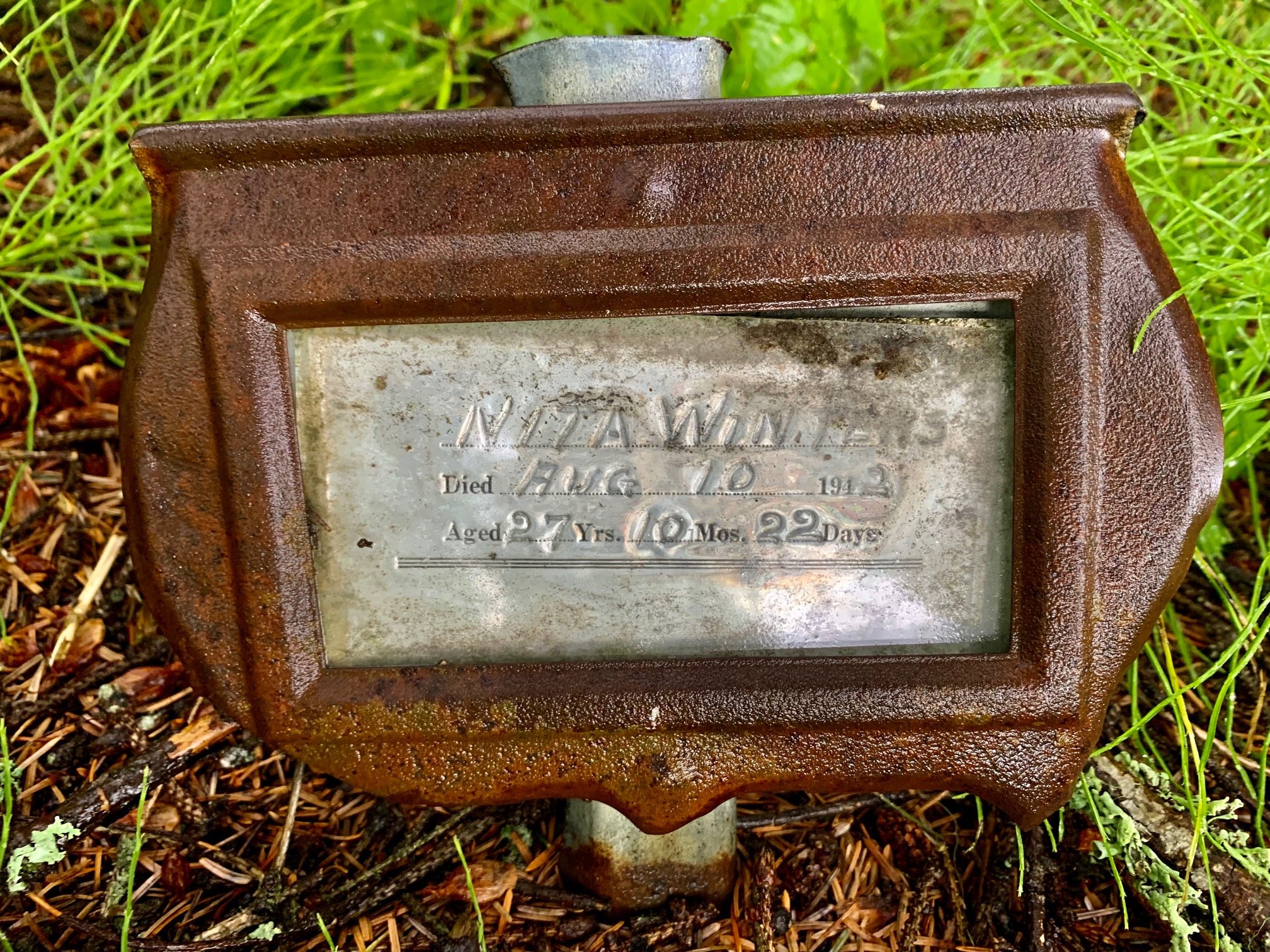
Some grave markers were underground.
Others were difficult to locate.
Many graves were no longer visible at all.
That made preservation essential.
Once a burial area was identified, it needed to remain protected.
Once a grave marker was uncovered, its location needed to be documented.
Once historical records were found, they needed to become part of the larger understanding of the cemetery.
And once the children's stories began emerging, they needed to be carried forward.
The purpose of the work was becoming clearer with every year:
Nothing that had been recovered should be allowed to disappear again.
Preservation Also Means Education
Preserving history does not happen only through documents and maps.
It also happens when people know the story.
Community education became part of the project's 2024 preservation work.
That matters because a cemetery can be physically restored and still become forgotten.
A marker can be installed.
A pathway can be built.
A memorial can stand.
But preservation becomes stronger when future generations understand why those things are there.
They need to know who the children were.
They need to understand what happened at the Jesse Lee Home.
They need to understand why so many graves became difficult to locate.
They need to understand why Qutekcak Native Tribe and community partners spent years researching records, clearing land, locating graves, and documenting the cemetery.
History survives when people continue telling it.
The Jesse Lee Home Story Reaches the Museum
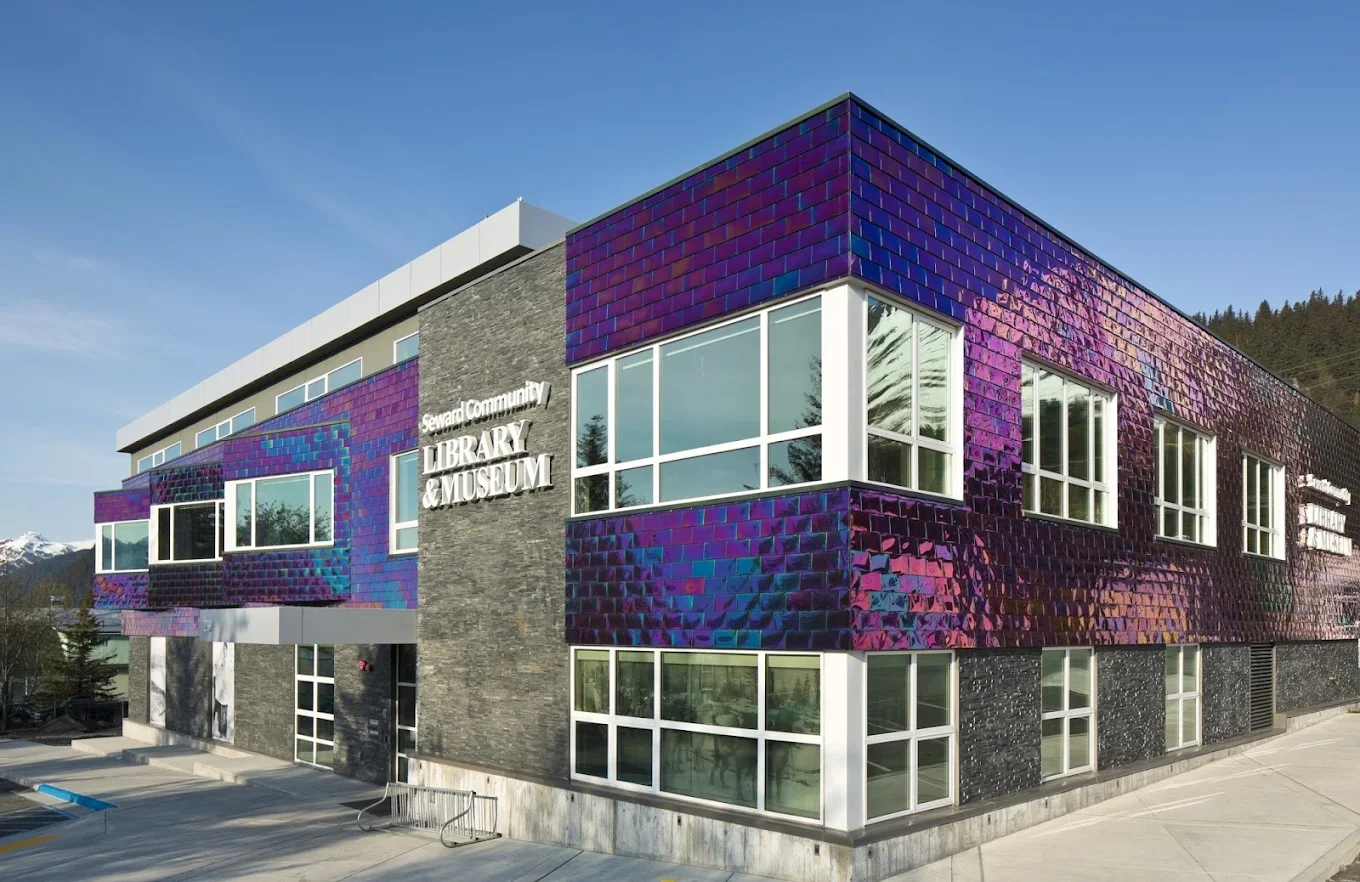
Preservation was happening beyond the cemetery grounds as well.
In February 2024, information from the City of Seward documented that four videos from a Jesse Lee Home anniversary gathering in the late 1980s had been received for the museum collection. Plans were made to convert the videos into digital files, with hopes that they could eventually become part of the Jesse Lee Home exhibit within the museum.
That effort reflected something larger happening around the Jesse Lee Home story.
Documents were being revisited.
Records were being connected.
Historic materials were being preserved.
Stories that could easily have disappeared were being brought forward again.
The cemetery restoration was part of that larger act of remembrance.
What Had Been Hidden Was Becoming Known
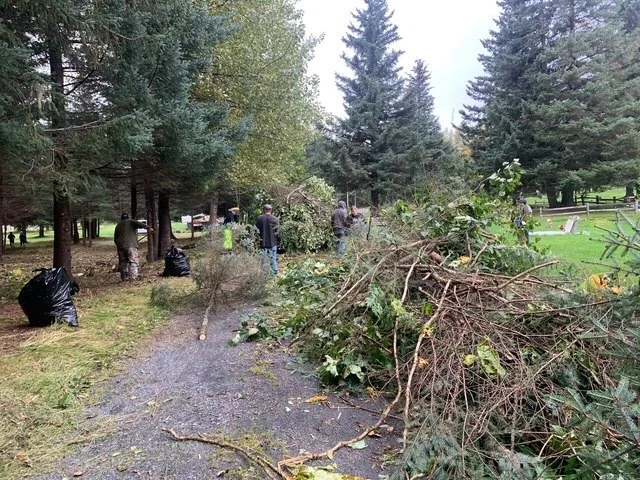
By 2024, the Jesse Lee Home Cemetery project was no longer simply an effort to clear an overgrown piece of land.
It had become a growing historical record.
Names were being connected to burial information.
Graves were being documented.
Families and descendants were being researched.
Archives were being reviewed.
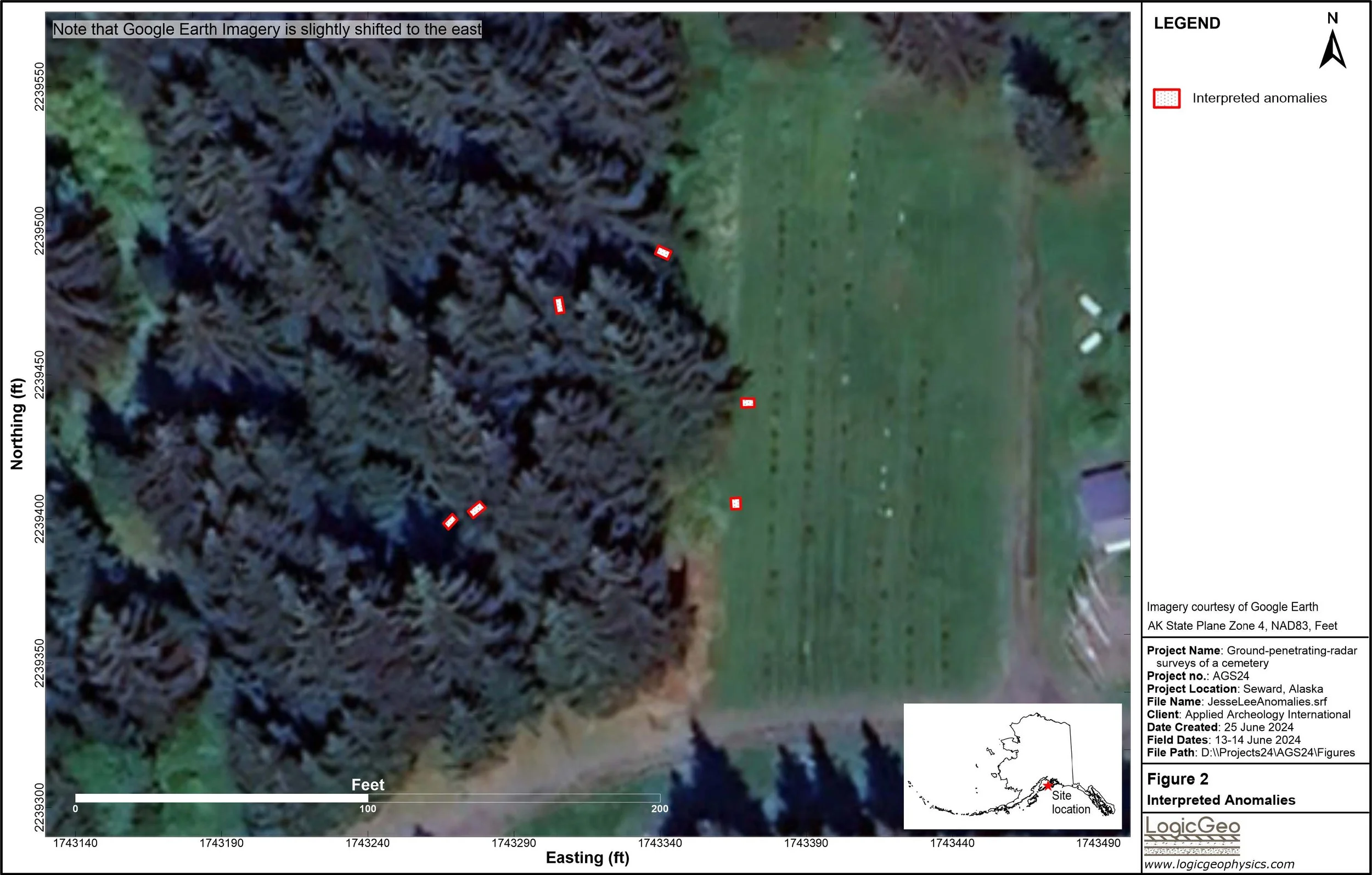
Technology was helping identify what could not be seen from the surface.
Community members were learning the history.
And the cemetery itself was beginning to be understood in ways it had not been for decades.
The work was becoming permanent.
Preservation Is a Promise
There is a difference between discovering history and preserving it.
Discovery says:
We found you.
Preservation says:
We will not lose you again.
That is what 2024 represented in the Jesse Lee Cemetery journey.
A commitment to take everything that had been learned during the previous years and protect it.
To document it.
To teach it.
To continue searching for families.
To preserve the resting places that had been rediscovered.
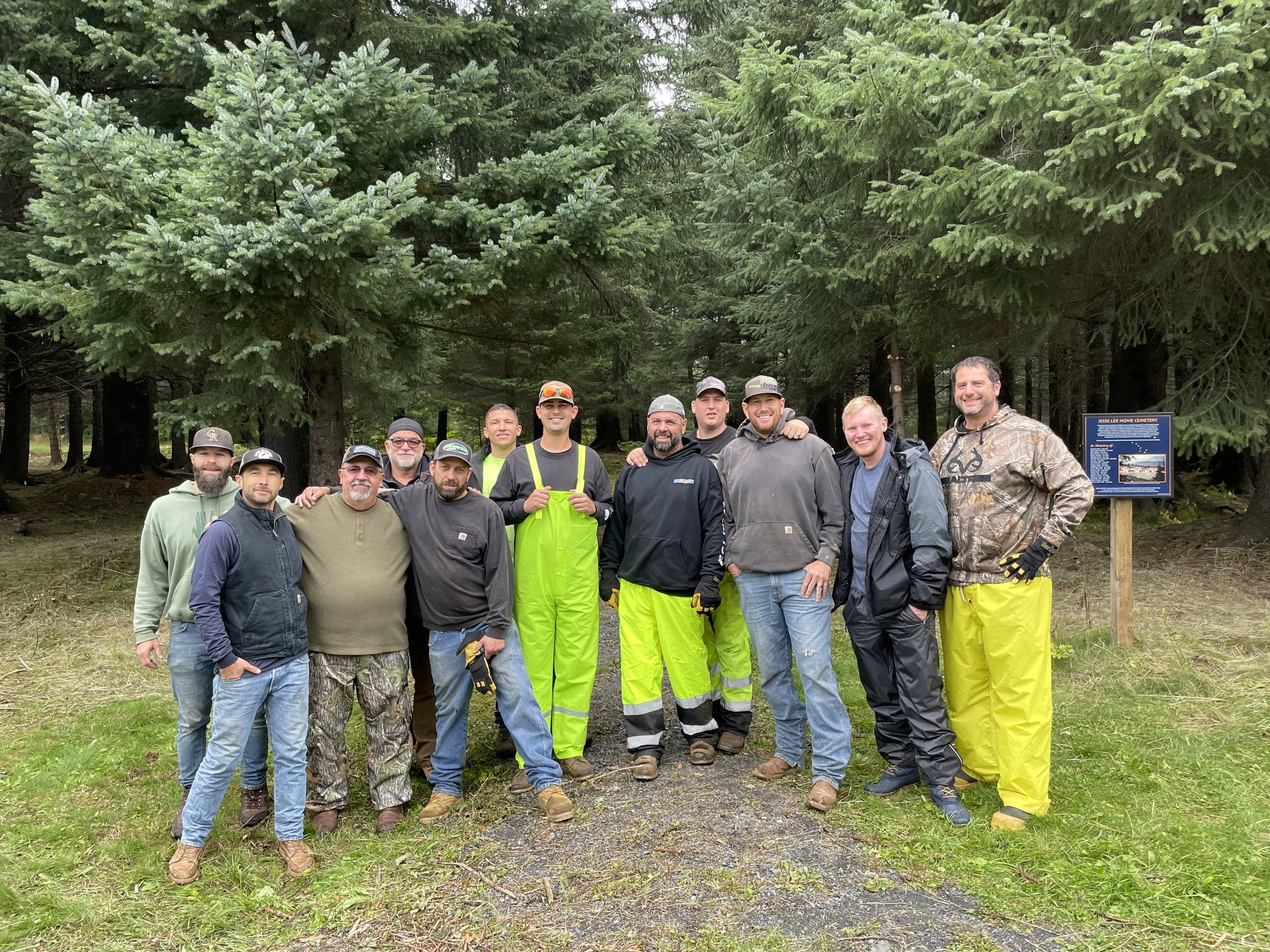
And to prepare for a future memorial that would ensure this history remained visible long after the restoration crews had gone home.
Because the children of the Jesse Lee Home should not have to be rediscovered every generation.
Their names should remain.
Their resting places should remain protected.
Their stories should be told.
And future generations should know that people came back for them.
They mattered then.
They matter now.
This is Part Four of “They Mattered Then. They Matter Now: The Jesse Lee Cemetery Story.” series, Next, we move into 2025 — a year of continued stewardship, community remembrance, and a powerful September 30 gathering honoring the children who never made it home.
