Say Their Names: Alaska’s Missing and Murdered Indigenous Women
Remembering the Women Behind the Statistics
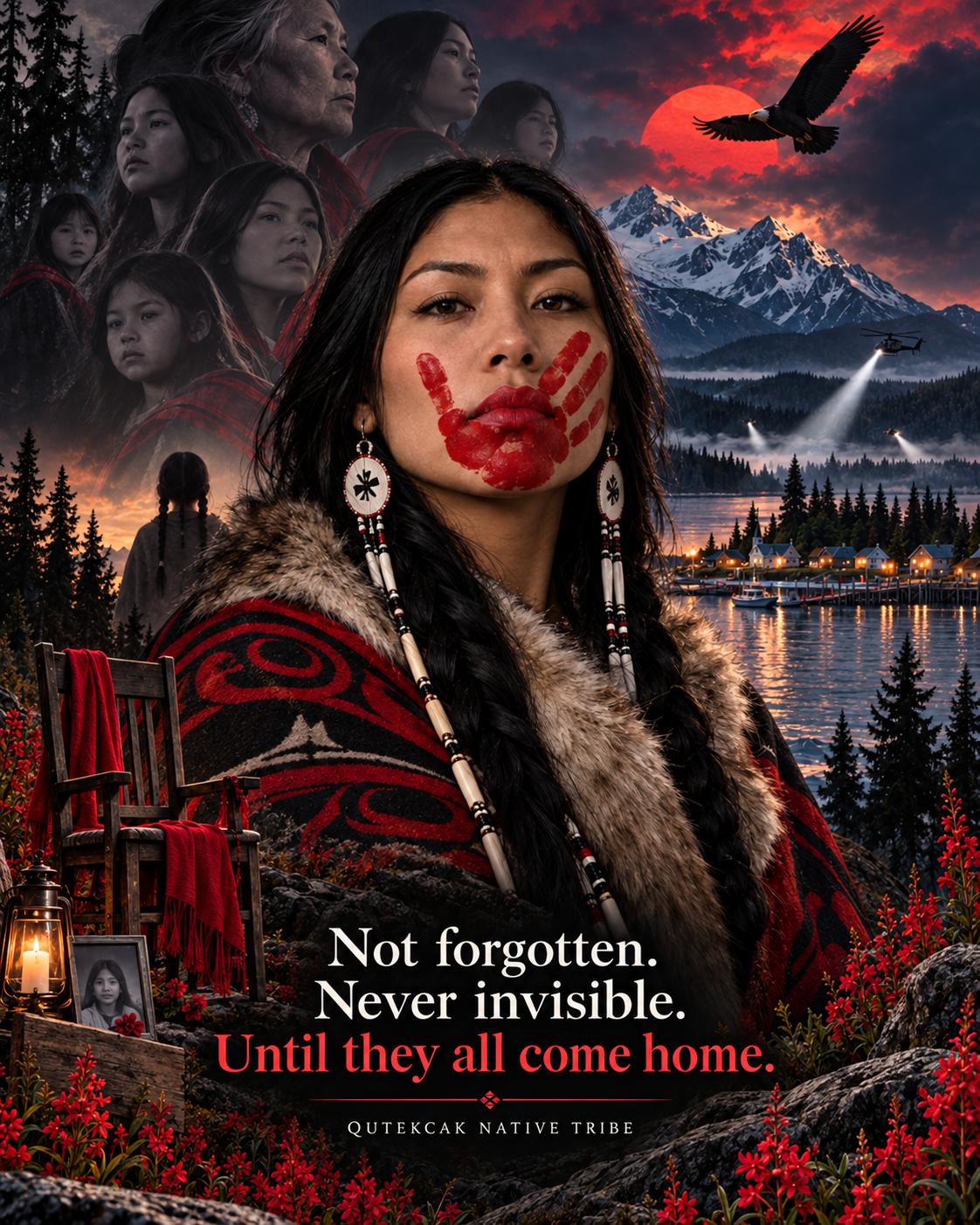
At Qutekcak Native Tribe, we believe there is power in remembering.
When we talk about MMIW — Missing and Murdered Indigenous Women — we are not talking about an acronym. We are talking about daughters, mothers, sisters, aunties, granddaughters, cousins, friends, and members of communities across Alaska.
A government report can tell us a woman's name, her age, the community where she was last seen, and whether investigators consider the circumstances suspicious. What it cannot tell us is what her laugh sounded like, which stories her family tells about her, who still dreams about seeing her walk through the door, or what she would have become if her life had continued uninterrupted.
That is why this is not intended to be simply another list.
Every woman deserves her own space.
As of June 30, 2026, the Alaska Department of Public Safety's newest quarterly report continues to identify hundreds of missing Alaska Native, American Indian, and unknown-race individuals. The report includes cases investigated by DPS and several partner law-enforcement agencies, including Anchorage and Fairbanks police. DPS stresses that the information is dynamic and does not represent every law-enforcement agency in Alaska.
Source: Alaska Department of Public Safety — Missing & Murdered Indigenous Persons
Source: Alaska DPS — 2026 Q2 Missing Indigenous Persons Report
Stella Anastasia Evon
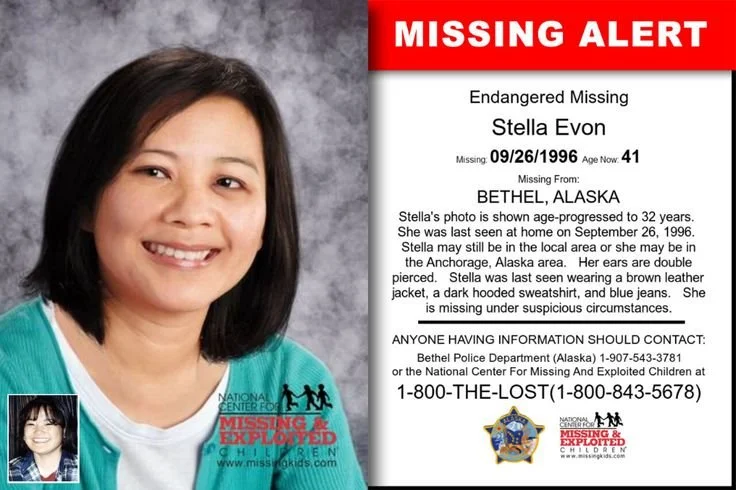
Stella Anastasia Evon — A 17-year-old Yup'ik girl who disappeared from Bethel, Alaska in September 1996. Decades later, her family and community are still waiting for answers. Say her name. Remember Stella.
Stella was 17 years old when she disappeared from Bethel in September 1996. She was Yup'ik. Her family has described her as kind, fun, and someone who loved the people around her. She should have had an entire adulthood ahead of her.
Stella had been out with friends before returning home early in the morning. After she could not get into her grandmother's home, events eventually led to her being taken to her sister's apartment. She later left on foot and vanished. Decades later, Alaska DPS still carries Stella's name among unresolved cases, and the National Center for Missing & Exploited Children continues to maintain her missing-child case.
Thirty years cannot be condensed into one line saying missing since 1996. Those years contain birthdays she should have celebrated, relationships she should have built, and experiences she should have been allowed to have.
Say her name: Stella Anastasia Evon.
Source: National Center for Missing & Exploited Children — Stella Evon
Source: KTVF — Missing in the North: Stella Anastasia Evon
LoriDee June Wilson
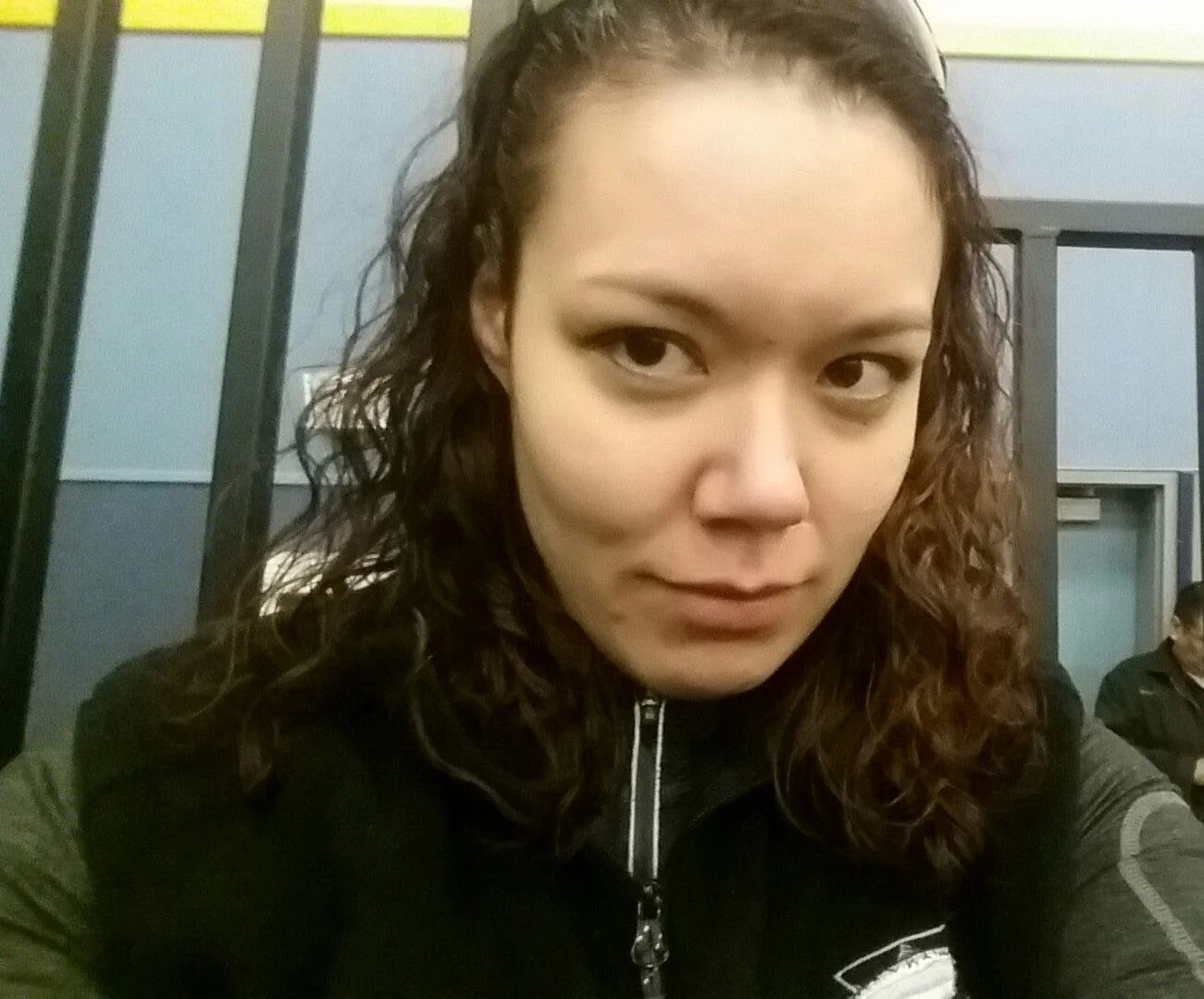
LoriDee June Wilson — A 30-year-old Alaska Native mother who disappeared from Juneau, Alaska on March 24, 2016. She has never been found. Say her name. Remember LoriDee.
LoriDee June Wilson was 30 years old when she disappeared from Juneau on March 24, 2016.
LoriDee was a Yup’ik mother of three from Dillingham.
She had traveled to Juneau for treatment and was staying at the Rainforest Recovery Center. On March 24, LoriDee left the facility against medical advice and was never located.
Her family searched for her in Juneau, watching bus routes, checking public places, and following possible sightings.
They were especially concerned because LoriDee had a serious medical condition stemming from a childhood injury to her esophagus and required recurring medical procedures.
But LoriDee’s story should never be reduced to treatment, addiction, or medical struggles.
She was a mother.
Three sons were waiting for her.
Her family loved her, searched for her, and wanted her home.
Years later, they still deserve answers.
Say her name: LoriDee June Wilson.
Remember LoriDee.
Source: Juneau Police Department — LoriDee June Wilson
Source: KDLG — Dillingham Woman Missing After Leaving Juneau Treatment Center
Florence Okpealuk
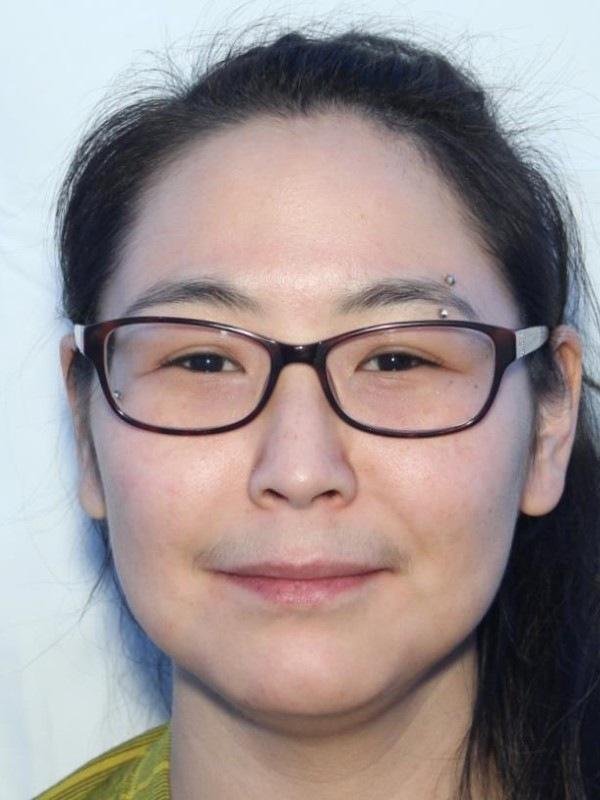
Florence Okpealuk — A 33-year-old Alaska Native woman who disappeared from Nome, Alaska on August 31, 2020. She remains missing. Say her name. Remember Florence.
Florence Okpealuk was 33 years old when she disappeared from Nome on August 31, 2020. Alaska State Troopers say she was last seen coming out of a tent on West Beach that afternoon. Her jacket and shoes were left outside the tent.
The FBI joined Nome Police in the investigation and brought additional resources to the search. Florence's disappearance became another case that forced Alaska to confront the enormous difficulties Indigenous families face when somebody disappears in a state defined by remote geography, extreme weather, and limited law-enforcement resources.
But Florence should not be remembered simply because the FBI became involved. She should be remembered because Florence existed before anyone created a missing-person flyer bearing her photograph.
The photograph shows a woman. The case number belongs to an investigation. They are not the same thing.
Say her name: Florence Okpealuk.
Source: FBI Anchorage — Search for Florence Okpealuk
Source: FBI Anchorage — Florence Okpealuk Investigation
Source: Alaska Public Media — Friends and Family Wait for Answers in Florence Okpealuk’s Disappearance
Mary Anne Alexie
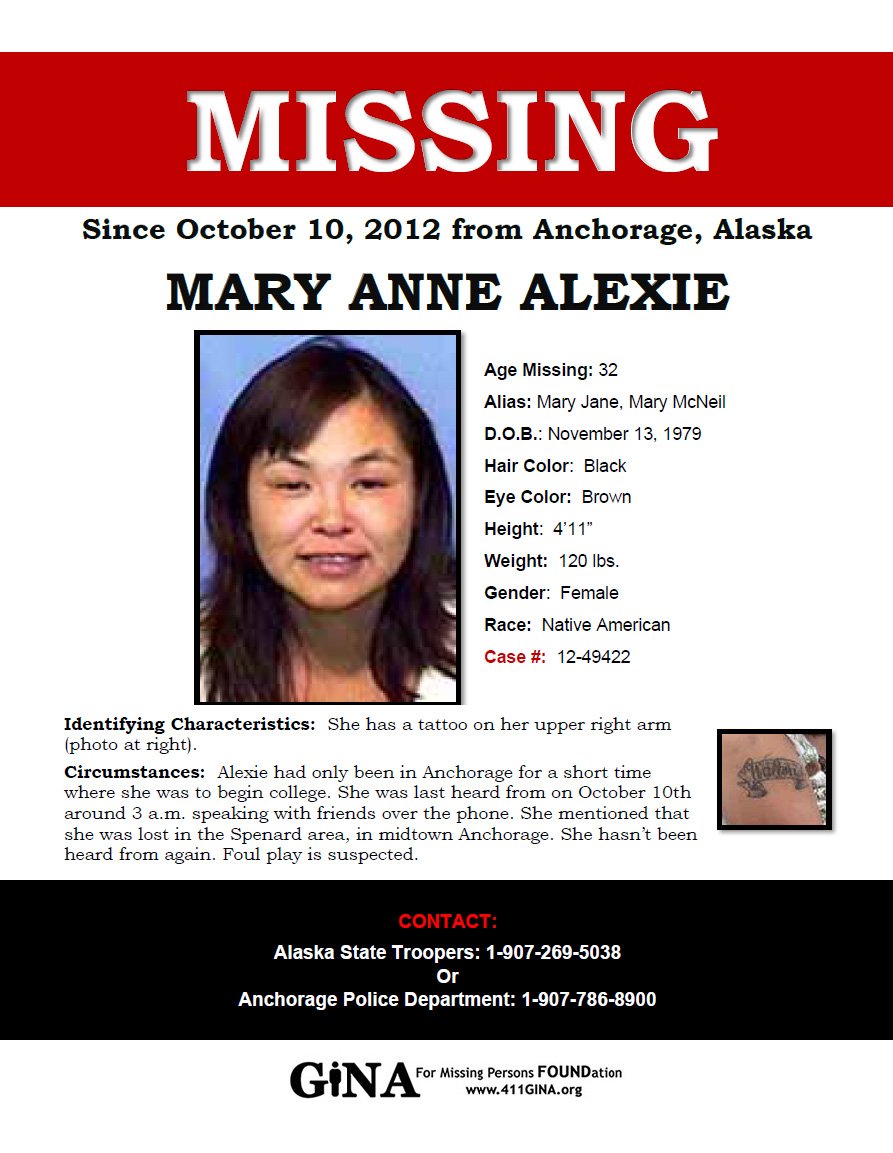
Mary Anne Alexie — A 32-year-old Alaska Native woman who disappeared from Anchorage, Alaska in October 2012. Her disappearance remains unresolved and is classified as suspicious. Say her name. Remember Mary.
Mary Anne Alexie was 32 years old when she disappeared from Anchorage in October 2012. An official Alaska State Troopers bulletin identifies Mary as an endangered adult and states that her disappearance is considered suspicious. Alaska's June 2026 MMIP report continues to list her as an Alaska Native/American Indian woman missing from Anchorage under suspicious circumstances.
The publicly available information about Mary is painfully limited.
That should not mean Mary receives a smaller place in our remembrance.
In fact, it demonstrates one of the problems surrounding older missing-person cases. Sometimes years pass and the public record becomes little more than a photograph, physical description, date, and incident number.
Mary is more than every one of those things.
Say her name: Mary Anne Alexie.
Source: Official Alaska DPS — Mary Anne Alexie Missing Person Bulletin
Cassandra Boskofsky
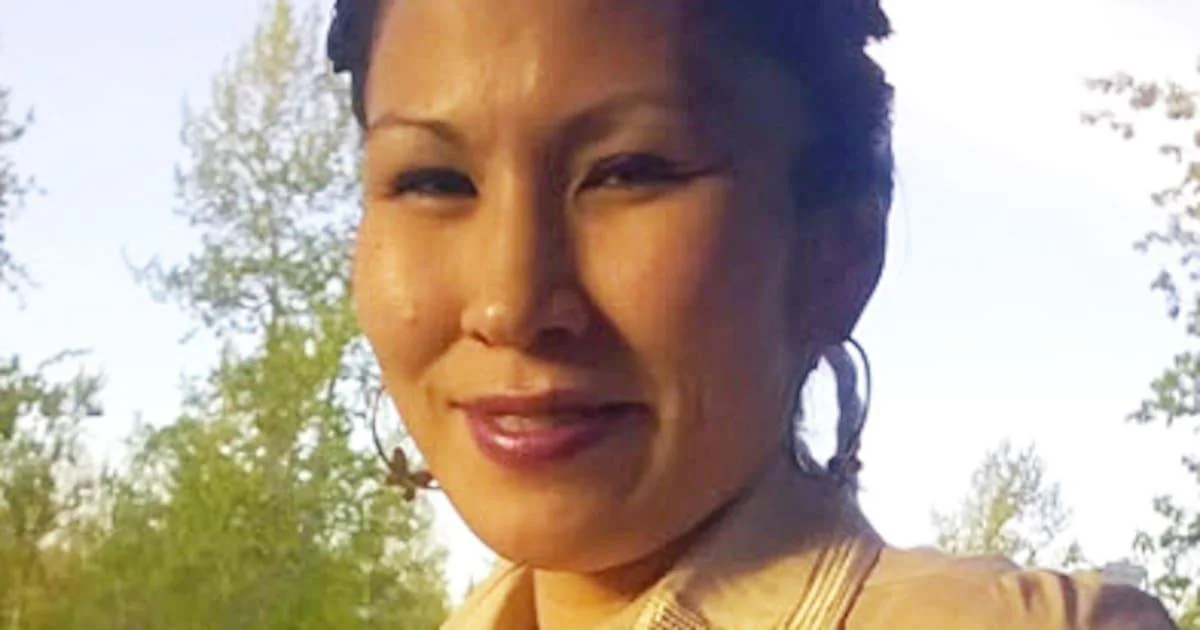
Cassandra Boskofsky — A 38-year-old Alaska Native woman who disappeared from Anchorage in September 2019. In 2024, a jury in a presumptive-death proceeding determined that Cassandra had died and was a homicide victim. Her remains have not been recovered, and no one has been charged with her death. Say her name. Remember Cassandra.
Cassandra Boskofsky was 38 years old when she disappeared from Anchorage in 2019.
For years, Cassandra remained listed among Alaska’s suspicious missing-person cases. Then her case took a heartbreaking turn.
Photographs found on convicted murderer Brian Steven Smith’s phone showed an unidentified woman. Cassandra’s family later said they recognized her, including identifying a distinctive tattoo.
In September 2024, an Anchorage jury legally declared Cassandra dead and a homicide victim, allowing a death certificate to be issued even though her remains had not been recovered.
That legal finding formally recognized Cassandra’s death as a homicide, but it did not answer every question surrounding what happened to her.
Brian Steven Smith has not been charged with Cassandra’s death, and Cassandra’s remains have not been recovered.
Cassandra deserves more than to be remembered through another person’s crimes.
She deserves to have her name remembered.
Say her name: Cassandra Boskofsky.
Source: Alaska Public Media — Cassandra Boskofsky Declared a Homicide Victim
Source: Alaska DPS — Missing & Murdered Indigenous Persons
Racheal Paige Cooeyate
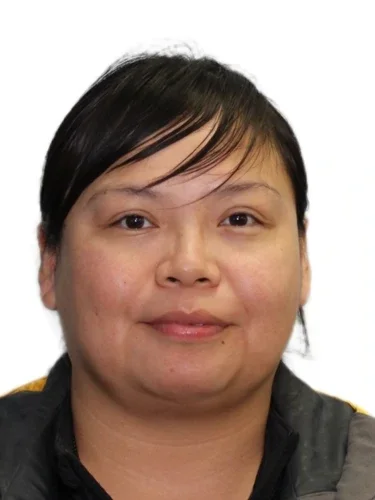
Racheal Paige Cooeyate — A 35-year-old Alaska Native woman who was last known to be in Anchorage, Alaska on March 1, 2026. Her disappearance is classified as suspicious. Say her name. Remember Racheal.
Racheal Paige Cooeyate represents something we cannot ignore: this crisis is not only history.
Racheal was 35 years old when she was last known to be in Anchorage on March 1, 2026. Her family had not been in contact with her since that date. Alaska's newest MMIP report identifies Racheal as Alaska Native/American Indian and classifies the circumstances of her disappearance as suspicious.
Her case belongs in this article beside disappearances from 1975, 1980, 1996, and 2003 because it proves that we are not simply remembering a crisis from another generation.
A family is waiting for answers today.
Say her name: Racheal Paige Cooeyate.
Source: Alaska DPS — 2026 Q2 Missing Indigenous Persons Report
Source: Racheal Paige Cooeyate — NamUs-sourced case page
Kelly Coopchiak
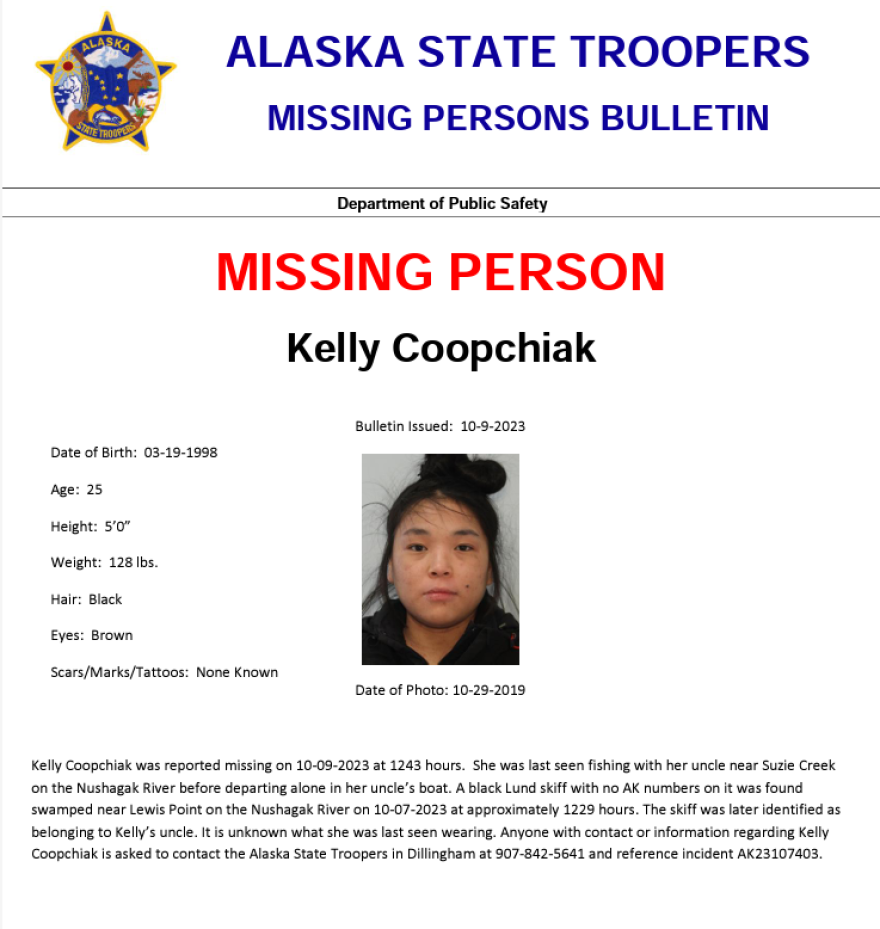
Kelly Coopchiak — A 25-year-old Alaska Native woman who disappeared near Suzie Creek in the Dillingham region on October 3, 2023. Her case remains unresolved and is classified as suspicious. Say her name. Remember Kelly.
Kelly Coopchiak was only 25 years old when she disappeared in October 2023.
According to Alaska State Troopers, Kelly had been fishing with her uncle near Suzie Creek on the Nushagak River before leaving alone in her uncle’s boat. A black Lund skiff belonging to her uncle was later found swamped near Lewis Point.
Kelly was never found.
Earlier Alaska MMIP reporting classified the circumstances of her disappearance as suspicious, while other case records have described her as presumed drowned after the skiff was discovered. Her remains have never been recovered, and her family has been left without the certainty of knowing exactly what happened to her.
Kelly was young enough to have decades still waiting for her. Instead, the people who love her have been left with questions about what happened along that river.
Alaska’s waterways connect communities, provide food, and sustain ways of life that have existed for generations. They can also make searches extraordinarily difficult.
But difficulty cannot become permission to forget.
Say her name: Kelly Coopchiak.
Source: The Charley Project — Kelly Earlene Lucy Ro Coopchiak
Source: Alaska DPS — 2026 Q2 Missing Indigenous Persons Report
Pauline Elsie Geary
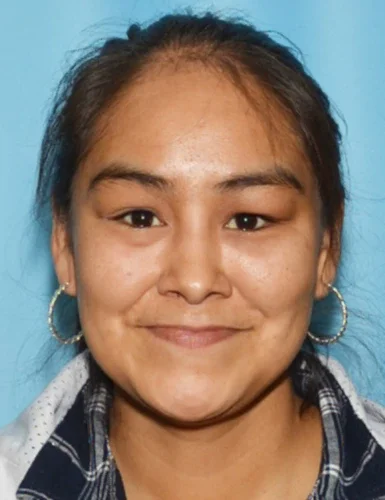
Pauline Elsie Geary — A 34-year-old Alaska Native woman who disappeared from Anchorage, Alaska in December 2019. Her disappearance remains unresolved and is classified as suspicious. Say her name. Remember Pauline.
Pauline Elsie Geary was 34 years old when she disappeared from Anchorage in December 2019. Alaska's current report identifies her as Alaska Native/American Indian and lists her disappearance as suspicious.
There is frustratingly little information about Pauline available to the public.
But a lack of headlines does not mean a lack of life.
It does not mean nobody loved her, misses her, or remembers exactly who she was before December 2019.
Some women receive documentaries. Some receive national headlines. Others receive only a few lines online.
Their value is exactly the same.
Say her name: Pauline Elsie Geary.
Source: Alaska DPS — Current MMIP Report
Source: The Charley Project — Pauline Elsie Geary
Marion Gonangnan
Marion Gonangnan — A 32-year-old Alaska Native mother of five who disappeared from Fairbanks, Alaska in March 2003. Her case remains unresolved and is classified as suspicious. Say her name. Remember Marion.
Marion Gonangnan was 32 years old and a mother of five when she disappeared from Fairbanks in 2003.
Three of her children were living with her at the time.
On the evening she disappeared, Marion reportedly told her teenage daughter that she was going to seek medical care.
She never returned home.
More than two decades later, Marion remains missing.
Alaska’s current MMIP reporting continues to identify her as an Alaska Native woman missing from Fairbanks under suspicious circumstances.
The word mother changes the shape of a disappearance.
Children grow up.
Birthdays pass.
Graduations happen.
Families change.
And all of those moments continue without the person who should have been there.
Marion did not simply disappear from Fairbanks.
A mother disappeared from her children’s lives.
Say her name: Marion Gonangnan.
Remember Marion.
Source: KTVF — Missing in the North: Marion Gonangnan
Source: Alaska DPS — 2026 Q2 Missing Indigenous Persons Report
Theresa Johnny
Theresa Johnny — A 31-year-old Alaska Native woman who disappeared from Anchorage, Alaska in 1998. Her case remains unresolved and is classified as suspicious. Say her name. Remember Theresa.
Theresa Johnny was 31 years old when she disappeared in 1998. Alaska’s current MMIP reporting identifies her as Alaska Native/American Indian, lists Anchorage as the location, and classifies the circumstances of her disappearance as suspicious.
Nearly three decades have passed.
Someone born when Theresa disappeared is now an adult approaching 30.
That is the scale of time families can be forced to carry when there is no answer.
Theresa’s case should not become less important because it is old. If anything, every passing year gives us another reason to make sure her name remains visible.
Say her name: Theresa Johnny.
Source: Alaska DPS — Current MMIP Report
Valerie Sifsof
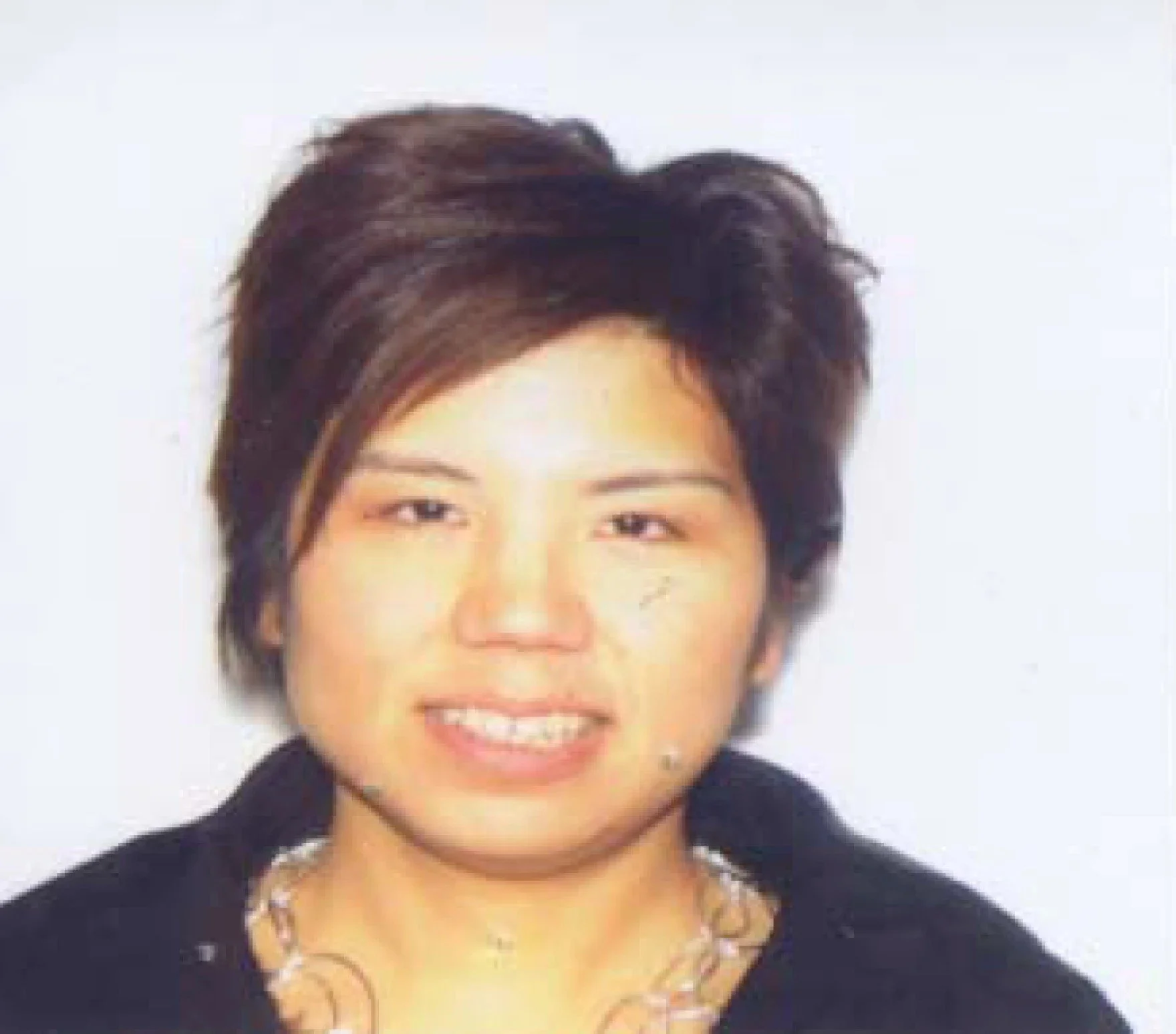
Valerie Sifsof — A 43-year-old Alaska Native woman who disappeared from Granite Creek Campground near the Seward Highway on July 7, 2012. Her disappearance remains unresolved and is classified as suspicious. Say her name. Remember Valerie.
Valerie Sifsof was 43 years old when she disappeared from Granite Creek Campground near the Seward Highway on July 7, 2012.
Valerie was originally from Dillingham and was living in Anchorage. Her family searched extensively after she vanished, using people on the ground, dogs, and a helicopter. Her father publicly pleaded for Alaskans to watch for his daughter. Months later, friends and relatives gathered for a church service that also thanked the people who had helped search for her.
That tells us something important about Valerie's story: people did not simply wait.
They searched.
They organized.
They kept going.
Alaska's current MMIP report still lists Valerie's disappearance as suspicious.
Say her name: Valerie Sifsof.
Source: Alaska Public Media — Valerie Sifsof Family Search
Linda Louise Skeek
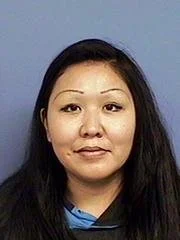
Linda Louise Skeek — A 32-year-old Alaska Native mother who disappeared from Anchorage, Alaska on January 1, 2016. Her disappearance remains unresolved and suspicious. Say her name. Remember Linda.
Linda Louise Skeek was 32 years old when she disappeared from Anchorage on January 1, 2016.
Anchorage Police initially asked the public for help locating Linda. As the investigation developed, police announced that they considered her disappearance suspicious.
Later that month, Linda’s husband, Thomas Skeek Jr., was charged with first-degree murder, second-degree murder, and tampering with evidence in connection with her disappearance.
However, that is not where the legal story ended.
In March 2019, after a trial, a jury acquitted Thomas Skeek Jr. of all charges after approximately three hours of deliberation.
Linda herself has never been found.
Her disappearance remains unresolved, and foul play continues to be suspected.
But Linda deserves to be remembered for more than the investigation surrounding her disappearance.
She was a mother of three. She worked for NANA Regional Corporation, and people who knew her remembered a woman who stayed connected to those she loved.
Her absence is still felt.
Say her name: Linda Louise Skeek.
Source: Anchorage Police Department — Linda Skeek Investigation
Source: The Charley Project — Linda Louise Skeek
Michelle Terri Tugatuk
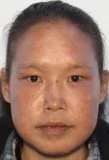
Michelle Terri Tugatuk — A 31-year-old Alaska Native woman who disappeared from Anchorage, Alaska on December 1, 2019. She remains missing, and Alaska’s MMIP reporting classifies her disappearance as suspicious. Say her name. Remember Michelle.
Michelle Terri Tugatuk was 31 years old when she disappeared from Anchorage on December 1, 2019.
She has never been heard from again.
For reasons that remain unclear, Michelle was not reported missing until August 2020. Public case information also indicates that she may have been experiencing homelessness around the time she disappeared.
Alaska’s MMIP reporting identifies Michelle as Alaska Native/American Indian and continues to classify her disappearance as suspicious.
Homelessness should never make someone invisible.
A person without stable housing still has a name.
A history.
A family.
People who remember her.
And a life that matters.
Michelle deserves the same urgency, attention, and effort as anyone else who disappears.
Say her name: Michelle Terri Tugatuk.
Remember Michelle.
Source: The Charley Project — Michelle Terri Tugatuk
Source: Alaska DPS — Missing & Murdered Indigenous Persons
Ida Rose Jacomet
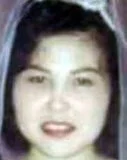
Ida Rose Jacomet — A 37-year-old Alaska Native woman who disappeared from the Fairbanks area on October 2, 1975. More than 50 years later, her case remains unresolved and is classified as suspicious. Say her name. Remember Ida.
Ida Rose Jacomet was 37 years old when she disappeared from the Fairbanks/North Pole area on October 2, 1975.
She was last seen at the Circle M Bar near North Pole. Her purse was later located in the parking lot. More than fifty years later, the Alaska Department of Public Safety continues to include Ida among unresolved homicide cases, while the current MMIP report lists her disappearance as suspicious.
Fifty years is more than a cold case.
It is half a century of lost time.
People who were children when Ida vanished are grandparents today.
Systems change. Investigators retire. Buildings disappear. Memories fade.
Her name should not.
Say her name: Ida Rose Jacomet.
Source: Alaska DPS — Unresolved Homicides
Karen Dean Evan
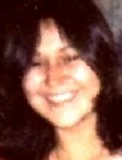
Karen Dean Evan — An 18-year-old Alaska Native woman who disappeared from Anchorage, Alaska on May 11, 1980. More than four decades later, her case remains unresolved and is classified as suspicious. Say her name. Remember Karen.
Karen Dean Evan was only 18 years old when she disappeared from Anchorage in May 1980.
According to Alaska State Troopers, Karen regularly spoke with family members several times a week and was looking forward to a visit from her sister, who lived in Canada.
Then the calls stopped.
Karen was last known to be in Anchorage on May 11, 1980.
More than four decades later, Alaska’s MMIP reporting continues to list her disappearance as suspicious.
Karen was barely into adulthood.
She should have had decades ahead of her.
Instead, her family was left with questions that have lasted generations.
Say her name: Karen Dean Evan.
Remember Karen.
Source: Karen Dean Evan — The Charley Project
Source: Alaska DPS — Missing & Murdered Indigenous Persons
Those Whose Lives Were Taken
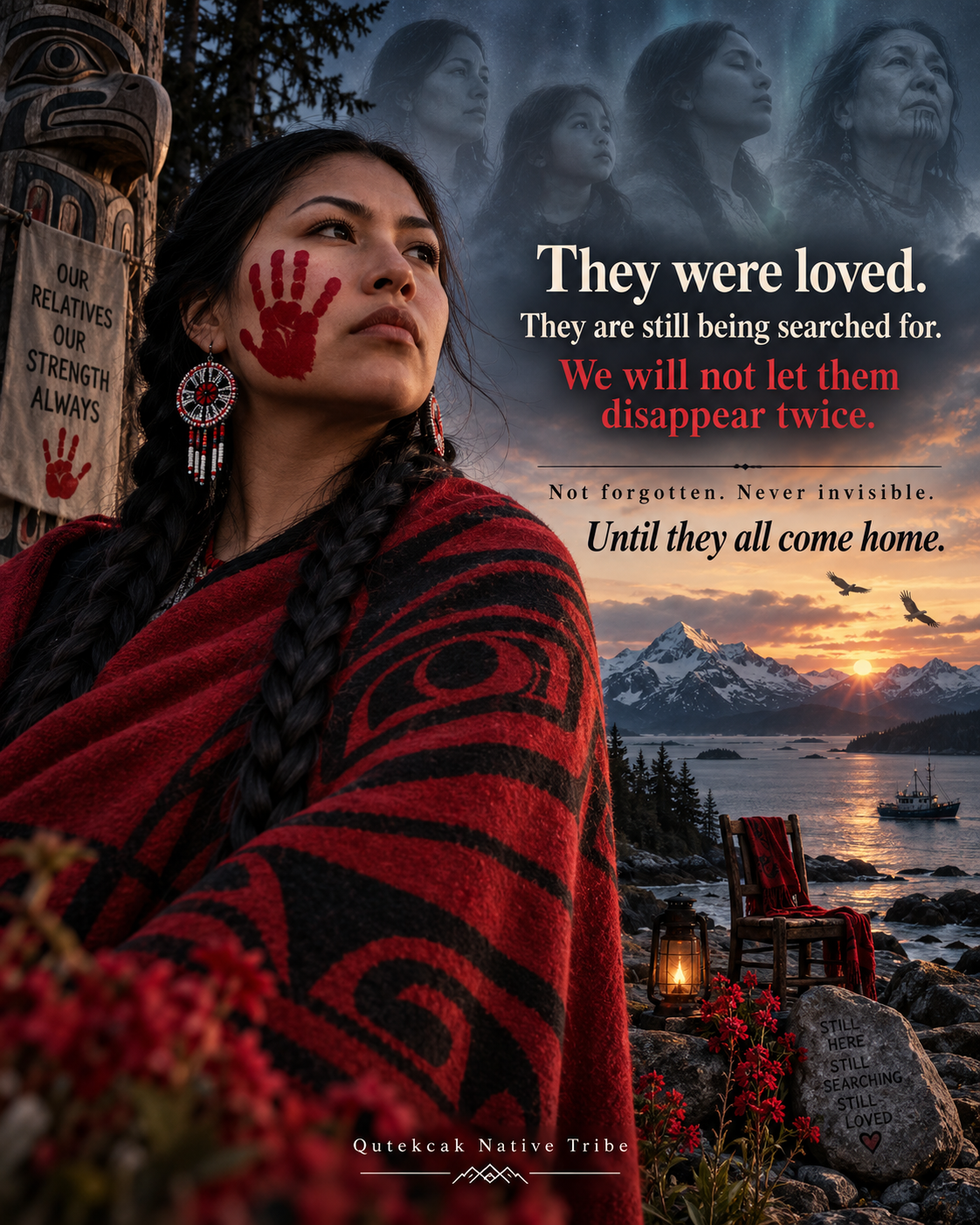
MMIW does not only describe the women who remain missing. Some families eventually learned what happened to the woman they loved.
The search ended.
But she did not come home alive.
For those families, the waiting changed into grief.
The unanswered phone calls became funeral arrangements.
The missing-person flyers became memorial photos.
The hope of hearing a familiar voice again was replaced by the unbearable reality that someone they loved had been taken from them.
There is a particular kind of pain in searching for someone while still holding onto hope, and another kind of pain in finally receiving an answer that no family ever wanted.
For some families, justice came years later.
For others, it still has not.
Some watched courtrooms finally acknowledge what happened.
Some watched cases grow cold.
Some were left with convictions.
Some were left with more questions.
But whether a case was solved or remains unresolved, the woman at the center of it was more than the way she died.
She was a daughter before she was a victim.
A mother before she became a case number.
A sister, auntie, cousin, friend, neighbor, classmate, coworker, and loved one before the world knew her name because of tragedy.
That is why we say their names here.
Not to center the violence.
Not to give more attention to the people who harmed them.
But to bring the focus back where it belongs.
On the women.
On the lives they lived.
On the families who still carry them.
And on the truth that being found does not mean the story is over.
For many families, it is where another chapter of grief, accountability, remembrance, and the fight for justice begins.
They came home in a way no family should ever have to experience.
And they still deserve to be remembered for how they lived, not only for how they died.
Sophie Sergie
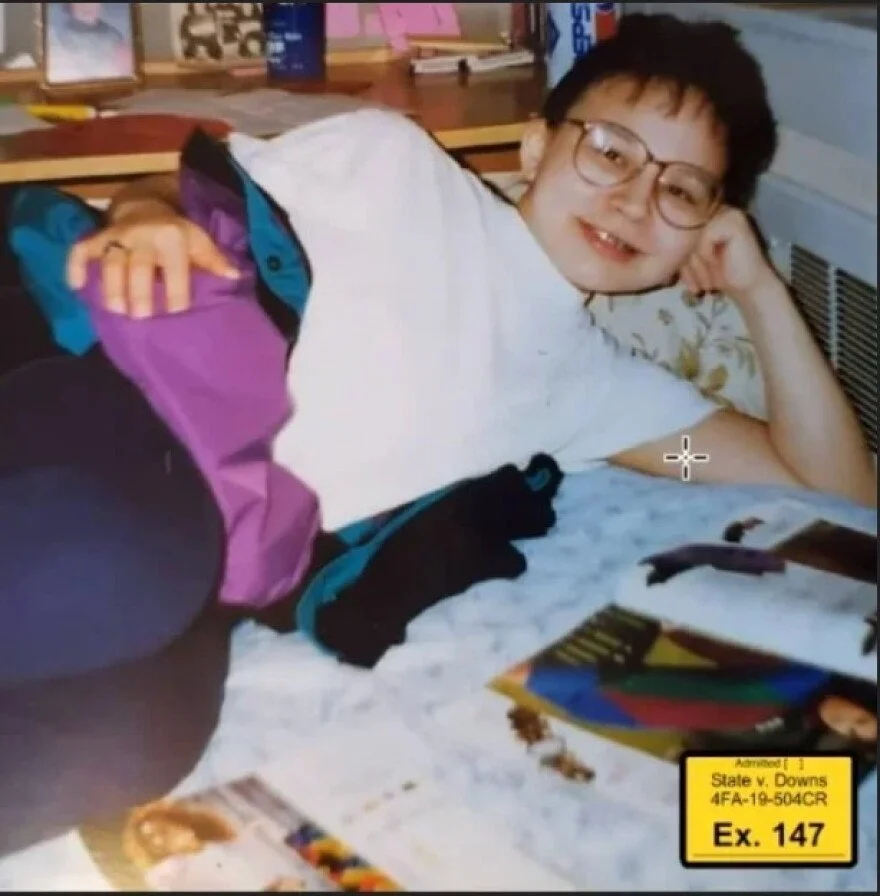
Sophie Sergie — A 20-year-old Yup'ik woman from Pitkas Point who was sexually assaulted and murdered at the University of Alaska Fairbanks in April 1993. Nearly three decades later, her family finally saw a conviction in her case. Say her name. Remember Sophie.
Sophie Sergie was 20 years old and from Pitkas Point.
In April 1993, Sophie was visiting a friend at the University of Alaska Fairbanks when she was sexually assaulted and murdered inside Bartlett Hall.
For nearly 29 years, her family waited for justice.
Advances in DNA analysis and investigative genetic genealogy eventually helped investigators identify Steven Downs.
In February 2022, a Fairbanks jury convicted Downs of first-degree murder and sexual assault.
On September 27, 2022, he was sentenced to 75 years in prison.
For nearly three decades, Sophie’s family carried her with them while waiting for answers.
People often call cases like Sophie’s “cold cases.”
But there is nothing cold about them to a family.
Families remember birthdays.
They remember voices.
They remember photographs.
They remember the life that should have continued.
Sophie was never just a cold case.
Her name was Sophie Sergie.
Say her name. Remember Sophie.
Source: Alaska Department of Law — Sophie Sergie Conviction
Source: Alaska Department of Law — Steven Downs Sentenced to 75 Years for Sophie Sergie’s Murder
Sonya Ivanoff
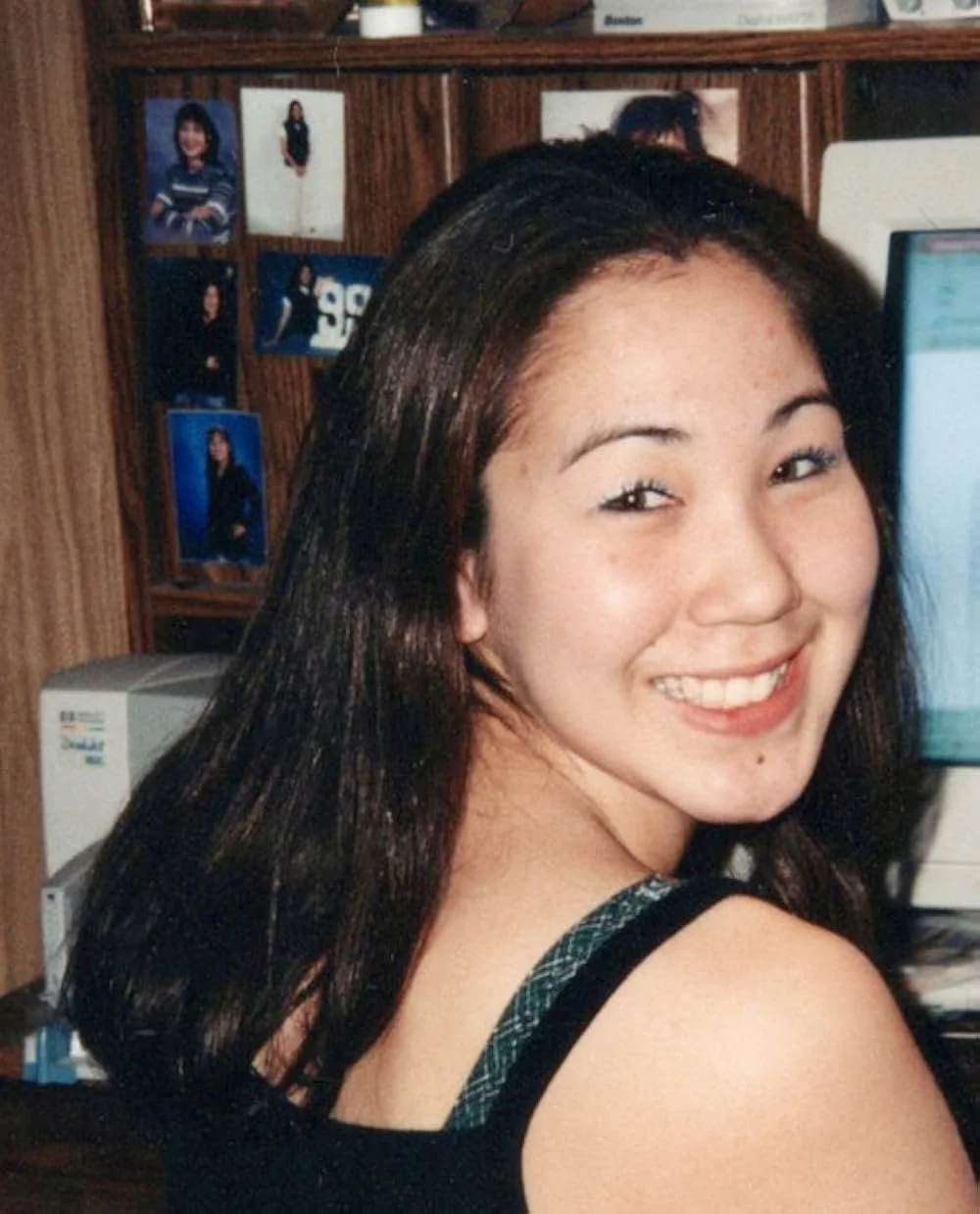
Sonya Ivanoff — A 19-year-old Alaska Native woman from Unalakleet who was murdered in Nome, Alaska in August 2003. Her case led to the conviction of an on-duty Nome police officer and later inspired the Sonya Ivanoff Act. Say her name. Remember Sonya.
Sonya Ivanoff was 19 years old, an Inupiaq woman from Unalakleet who was working in Nome during the summer of 2003.
She disappeared after being seen getting into a Nome police vehicle. Her body was discovered outside Nome the following day.
The investigation ultimately led to the conviction of Nome police officer Matthew Owens for her murder.
Sonya’s death also led to a change in Alaska law.
In 2007, Alaska enacted legislation known as the Sonya Ivanoff Act. The law requires a mandatory 99-year sentence for first-degree murder when the defendant is a peace officer who used the officer’s authority as a peace officer to facilitate the murder.
That distinction matters because Sonya was killed by someone who had been entrusted with public authority and the responsibility to protect.
Her name became attached to a law intended to ensure that when a peace officer abuses that authority to facilitate murder, the consequences reflect the seriousness of that betrayal.
But Sonya was more than legislation.
She was a 19-year-old woman whose life should have continued.
Her name was Sonya Ivanoff.
Say her name. Remember Sonya.
Source: Alaska Court of Appeals — Sonya Ivanoff Case
Kathleen Jo Henry
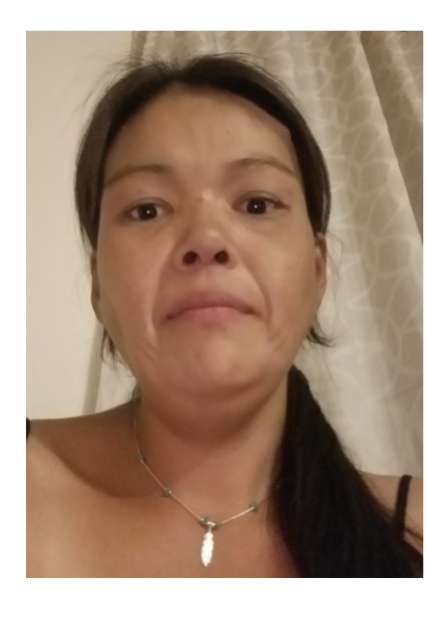
Kathleen Jo Henry — A 30-year-old Alaska Native woman who was murdered in Anchorage in 2019. Her case became one of Alaska’s most widely known MMIW cases after her killer was convicted in 2024. Say her name. Remember Kathleen.
Kathleen Jo Henry was 30 years old when she was murdered in Anchorage in 2019.
Police learned of the homicide when a woman turned over video from Brian Steven Smith's phone. Investigators eventually identified the woman shown in the evidence as Kathleen. In 2024, Smith was convicted of her murder.
The details of Kathleen's death generated headlines because they were horrific.
But there is a danger in allowing the horror of a crime to become larger than the woman whose life was taken.
Kathleen's murderer should not receive more space in our collective memory than Kathleen.
So when we tell this story, we return the focus where it belongs.
Her name was Kathleen Jo Henry.
Source: https://law.alaska.gov/press/releases/2024/022224-Smith.html
Veronica Abouchuk
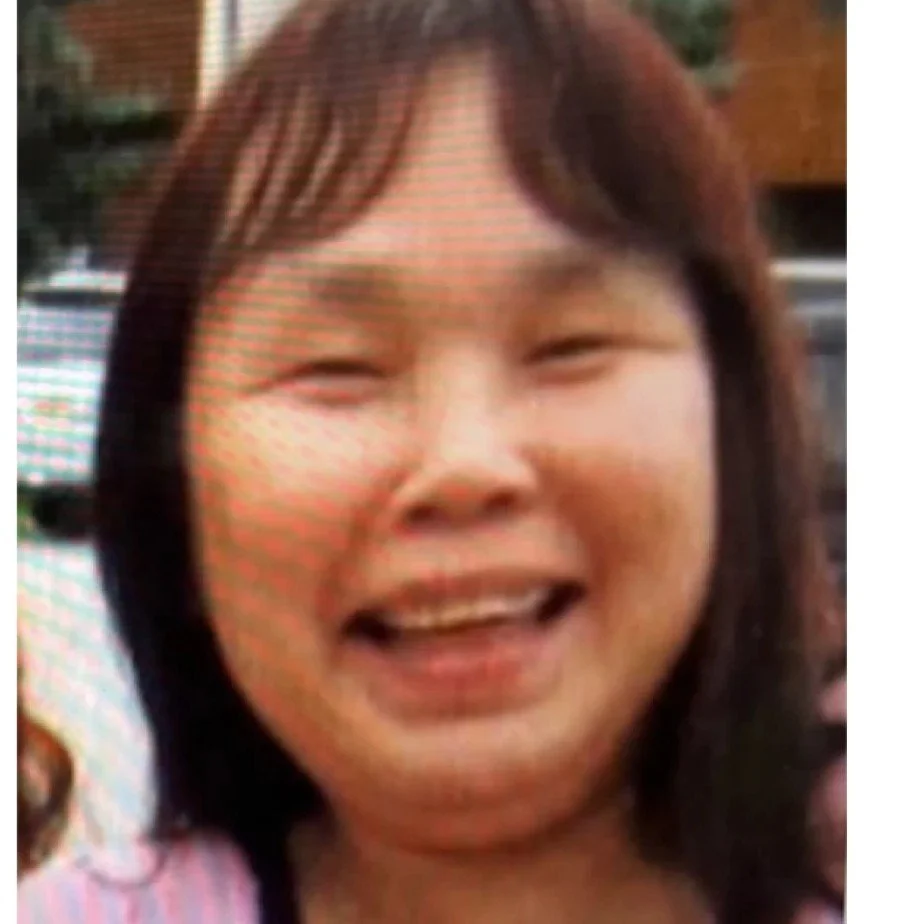
Veronica Rosaline Abouchuk — A 52-year-old Alaska Native woman whose life was taken in Alaska. She was remembered by her family as kind, creative, and talented at making grass baskets and dolls. Say her name. Remember Veronica.
Veronica Abouchuk was 52 years old.
During the investigation into Kathleen Jo Henry’s murder, investigators learned that the same man had killed another Alaska Native woman.
That woman was Veronica.
Brian Steven Smith was ultimately convicted of murdering both Veronica Abouchuk and Kathleen Jo Henry. In July 2024, he was sentenced to 226 years in prison.
But Veronica deserves to be remembered for far more than the person who took her life.
Her family remembered her as kind, creative, and talented, including making beautiful grass baskets and dolls.
At sentencing, Veronica’s daughter spoke about the loss of her mother.
Behind every court document, every conviction, and every sentence was a family who lost someone they loved.
Her name was Veronica Abouchuk.
Say her name. Remember Veronica.
Source: Alaska Department of Law — Sentencing for the Murders of Veronica Abouchuk and Kathleen Jo Henry
Source: Alaska Public Media — Remembering Veronica Abouchuk
Della Brown
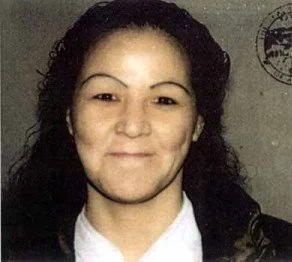
Della Brown — An Alaska Native woman murdered in Anchorage in 2000. Years later, Joshua Wade admitted that he killed her after previously being acquitted in state court. Say her name. Remember Della.
Della Brown was an Alaska Native woman murdered in Anchorage in 2000.
Joshua Wade was initially acquitted of Della's murder. Years later, after the murder of another Anchorage woman, Wade admitted that he had killed Della. His later state and federal sentences ensured he would spend the rest of his life in prison.
Della's death became part of a frightening period in Anchorage when Alaska Native women were being killed and communities feared that somebody might be deliberately targeting Native women.
Della deserved justice the first time.
She deserved safety before anyone knew her name because of a homicide.
Her name was Della Brown.
Source: U.S. Department of Justice — Della Brown Case and Sentencing
Genevieve “Ginny” Tetpon
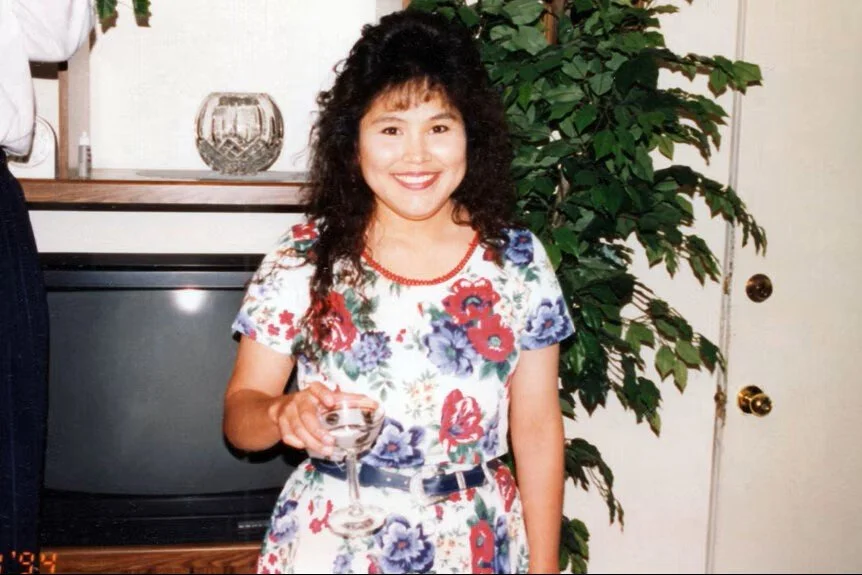
Genevieve “Ginny” Tetpon — A 28-year-old Alaska Native mother of four who was murdered near Anchorage in March 2000. Her case remained cold for nearly 11 years before an arrest was made. Say her name. Remember Ginny.
Genevieve “Ginny” Tetpon was 28 years old and a mother of four.
Her body was found along Arctic Valley Road near Anchorage in March 2000. She had been stabbed, and her murder became one of several killings of Alaska Native women during that period that raised fears within the community.
For years, Ginny’s case remained unsolved.
In 2011, investigators announced the arrest of Derrick Torian after DNA evidence connected him to the case.
The case was ultimately resolved in July 2013, when Torian pleaded guilty to manslaughter and was sentenced to 15 years in prison.
For Ginny’s family, that resolution came only after more than a decade of waiting.
Her mother later spoke about finally receiving some measure of closure after carrying her daughter’s loss for years.
But Ginny should never be remembered only through the investigation or the man convicted in connection with her death.
She was a mother of four.
Four children lost their mother.
A family lost someone they loved.
Her name was Genevieve “Ginny” Tetpon.
Say her name. Remember Ginny.
Source: Alaska Public Media — Arrest in Genevieve Tetpon’s Cold Case
Source: Alaska Native News — Derrick Torian Sentenced for Genevieve Tetpon’s Death
Vera Hapoff
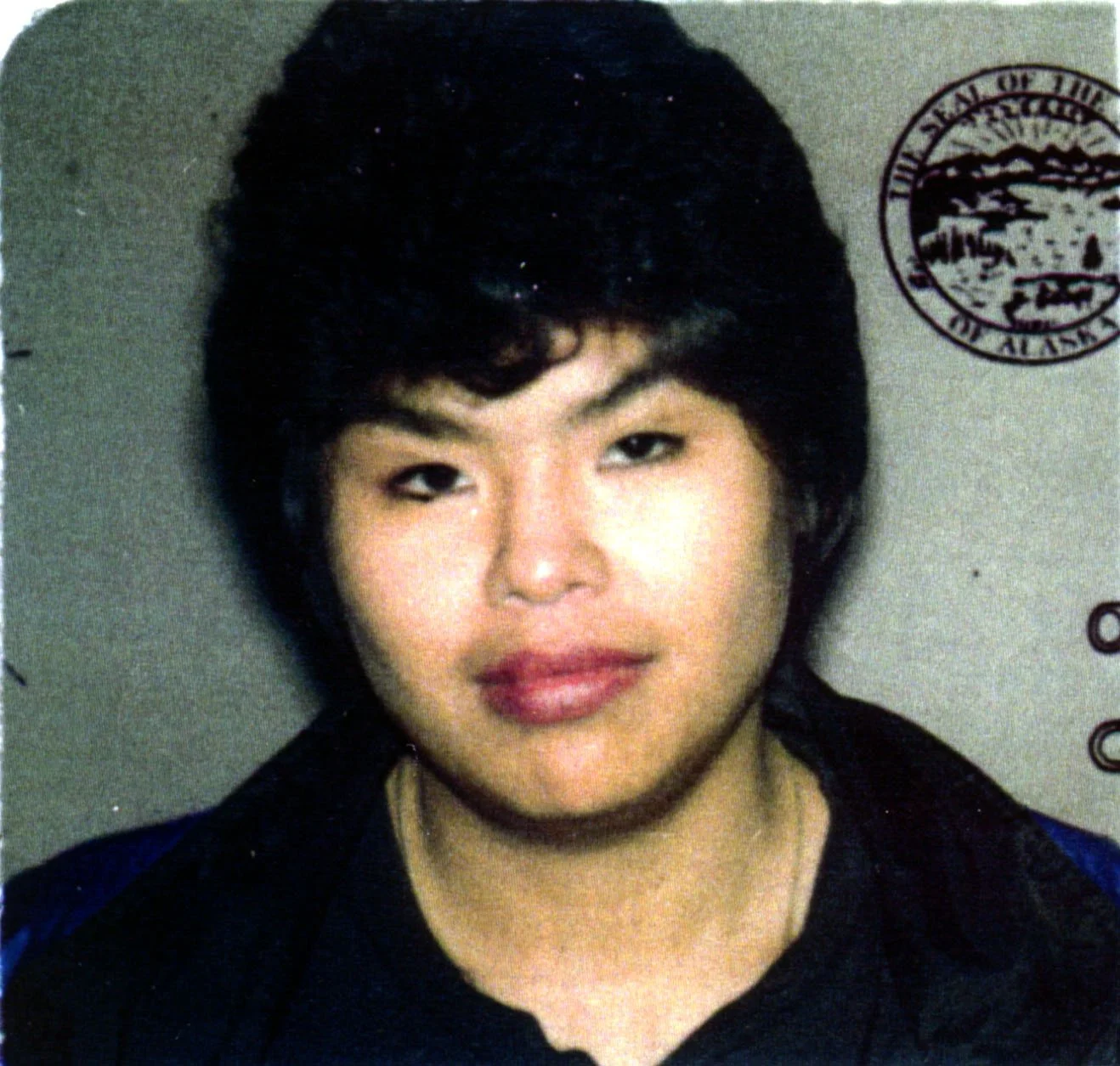
Vera Lillian Hapoff — A 25-year-old Alaska Native woman from St. Paul Island who was found dead in Ship Creek in Anchorage in June 1999. Her death remains listed by Anchorage Crime Stoppers as an unsolved homicide. Say her name. Remember Vera.
Vera Hapoff was 25 years old and had been born on St. Paul Island.
Her body was found in Ship Creek in Anchorage on June 6, 1999.
Early reporting described uncertainty about how Vera ended up in the water. But Anchorage Crime Stoppers now lists her death as an unsolved homicide and continues to ask anyone with information about Vera’s whereabouts or who she may have been with before her death to contact investigators.
People who knew Vera at Bean’s Cafe remembered her as friendly, someone who got along with people, liked to dance, and sometimes volunteered in the soup kitchen.
Those details matter.
They remind us that Vera was not simply a name attached to an unsolved case.
She was a young woman with a personality, relationships, and people who remembered her.
More than two decades later, her case remains unsolved.
Her name was Vera Hapoff.
Say her name. Remember Vera.
Source: Anchorage Crime Stoppers — Vera Hapoff Unsolved Homicide
Source: Alaska Legislature — Missing & Murdered Indigenous Women & Girls in Alaska Cities
Annie Mann
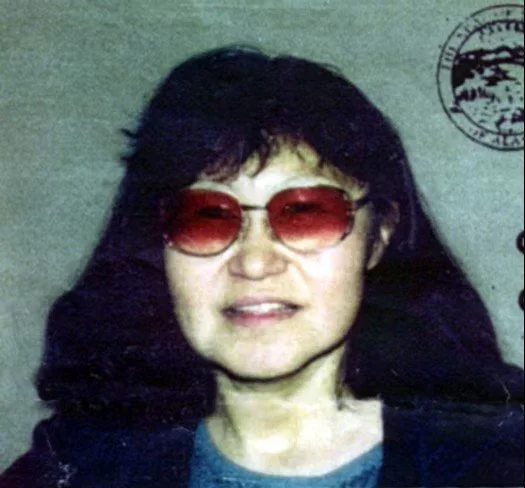
Annie Mann — An Alaska Native woman whose murder in Anchorage in 1999 remains unsolved. Her life deserves more than a line in a cold-case record. Say her name. Remember Annie.
Annie Mann is one of the women whose name appears in the Urban Indian Health Institute's research documenting a cluster of murders of Alaska Native women in Anchorage around 1999 and 2000. Other historical reporting says Annie was found in August 1999. Her homicide remains among the unresolved cases associated with that period.
Publicly accessible information about Annie is sparse.
That is precisely why her name deserves its own section rather than being buried in a sentence containing four or five victims.
A shortage of searchable information about someone's life is not evidence that her life was small.
It is evidence that we must work harder to remember her.
Her name was Annie Mann
Source: Alaska MMIWG Research — Urban Indian Health Institute Material Hosted by the Alaska Legislature
Angeline Tanya Dundas
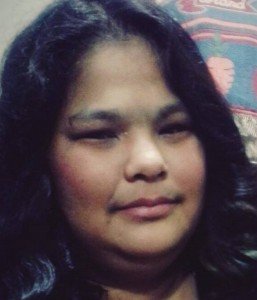
Angeline Tanya Dundas — A 34-year-old Alaska Native woman from Ketchikan whose body was recovered from the Tongass Narrows in July 2015. Say her name. Remember Angeline.
Angeline Dundas was 34 years old when her body was recovered from the Tongass Narrows near Ketchikan in July 2015.
Initial Alaska State Troopers reporting said foul play was not suspected at that stage and that investigators were awaiting autopsy results. Later Urban Indian Health Institute research included Angeline in its Alaska MMIWG documentation and noted that her body was recovered within 24 hours of her seeking assistance at a local women's shelter.
That distinction is important. We should not claim more than investigators established.
But we should also not overlook why Angeline's death became part of the broader conversation about the vulnerability and safety of Indigenous women.
Her name was Angeline Tanya Dundas.
Source: Alaska Public Media — Angeline Dundas
Sandra Frye
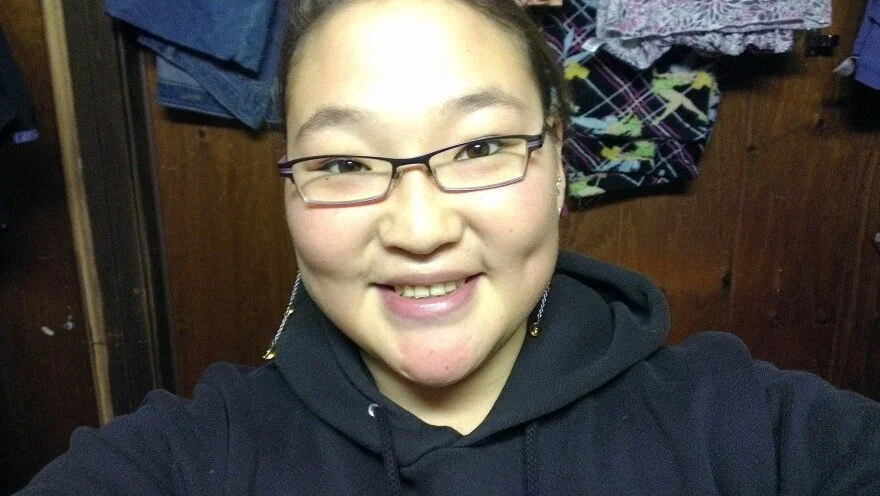
Sandra Frye — A 26-year-old Alaska Native mother of four from Nunapitchuk who died after being found injured outside Bethel in November 2017. Her death was determined to have resulted from foul play. Say her name. Remember Sandra.
Sandra Frye was 26 years old and a mother of four.
In late November 2017, Sandra was found lying in the snow outside Bethel near the trail toward Atmautluak. She was taken to the hospital, where she died from her injuries the following day.
A later autopsy determined that Sandra died as a result of foul play. Bethel’s acting police chief reported that she had suffered blunt-force trauma to her torso. The investigation was referred to the District Attorney’s Office.
Sandra’s cousin remembered her as someone who loved people, made others laugh, and was known for teasing and telling funny stories.
Those are the details that help us remember Sandra as more than the circumstances of her death.
She was a mother.
She was loved.
She made people laugh.
And four children lost their mother.
Say her name: Sandra Frye.
Source: KYUK — Homicide Charges May Be Filed in Nunapitchuk Woman’s Death
Nancy Brower
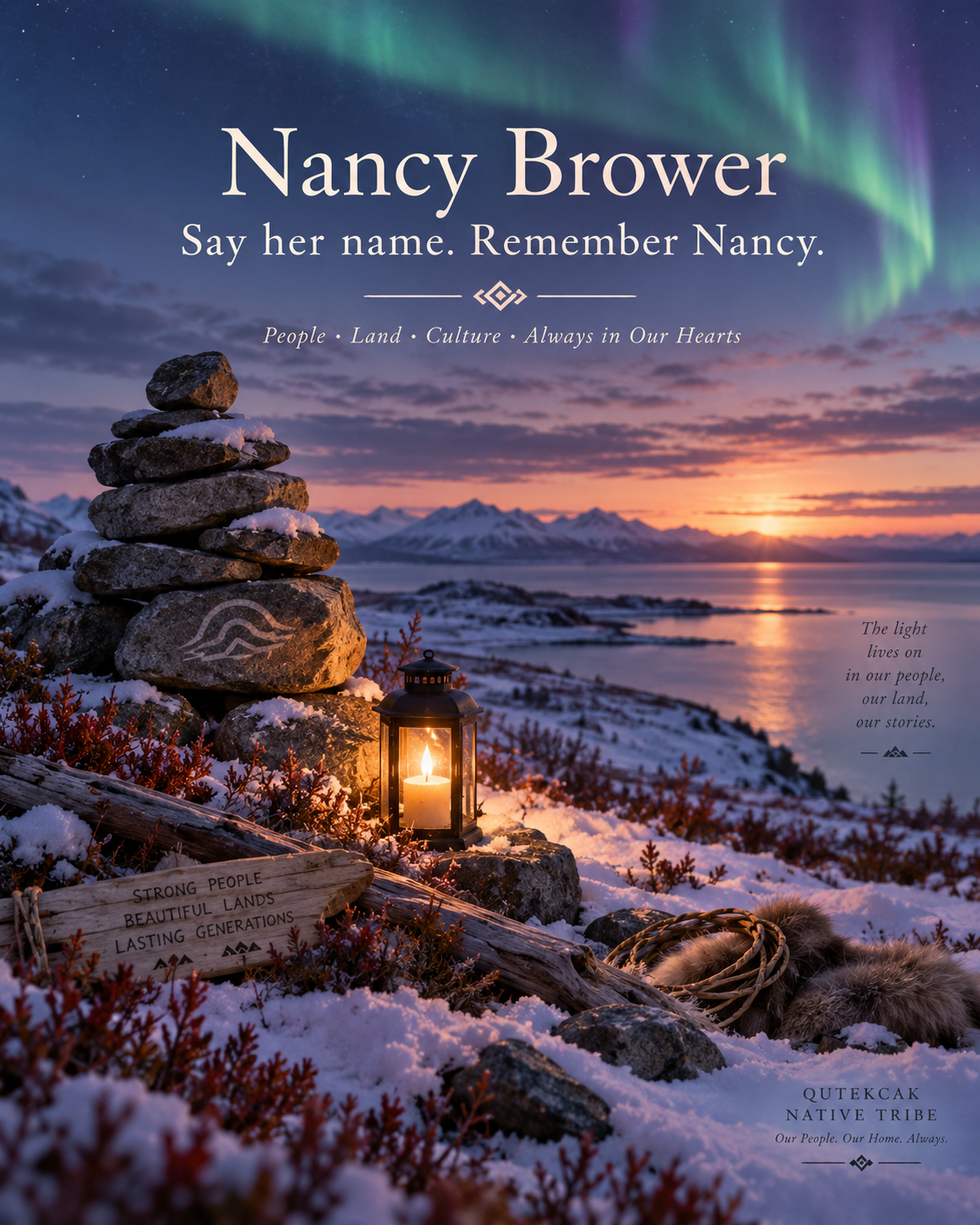
Nancy Brower — A 15-year-old Alaska Native girl from Utqiaġvik whose life was taken in 2002. She was still a child, with an entire future that should have been ahead of her. Say her name. Remember Nancy.
Memorial illustration created for Qutekcak Native Tribe in honor of Nancy Brower. This is not a photograph or representation of Nancy’s likeness.
Nancy Brower was only 15 years old.
She was a high-school student in Utqiaġvik when she was raped and murdered in 2002. Urban Indian Health Institute research identified Nancy as the single Utqiaġvik case captured in that particular dataset, although community members argued that the number almost certainly understated the larger reality.
Fifteen.
There should be no way to write that number without understanding what was stolen.
She was still a child.
There should have been school years ahead of her, adulthood ahead of her, choices ahead of her.
Her name was Nancy Brower.
Source: Alaska MMIWG Research and Discussion of Nancy Brower
Source: Alaska Legislature — Missing & Murdered Indigenous Women and Girls in Alaska Cities
Source: Victims for Justice — Alaska Memorial Names Booklet
A Database Is Not a Memorial
Alaska's current MMIP report may describe a woman with a few columns: female, Alaska Native/American Indian, Anchorage or Fairbanks or Bethel, date of last contact, suspicious.
Those columns matter because accurate data matters.
But they are not a memorial.
A database cannot tell us how someone took her coffee, whether she sang when she cleaned the house, what nickname her grandchildren would have given her, whether she hated the cold but loved Alaska anyway, or what she dreamed of becoming.
We should never invent those details when families have not shared them.
But we can acknowledge that those details existed.
Every woman had an entire identity beyond the circumstances through which most of us came to know her name.
The Missing Information Is Part of the Story
During the preparation of this article, some women had pages of information available. Others had only a handful of lines.
That difference matters.
MMIW advocates have warned for years about inconsistent records, racial misclassification, jurisdictional gaps, missing data, and cases that received little public attention.
When we can find ten stories about a killer but barely a paragraph about the woman he killed, something has gone wrong with the way we preserve stories.
We can begin correcting that by changing where we place our attention.
On her.
And when we do that, the story changes.
The focus moves away from the person who harmed her.
Away from the courtroom headline.
Away from the police file.
Away from the sensational details.
And back to the woman whose life mattered before any of us knew her name.
We remember that she had people who loved her.
That she had ordinary days before tragedy entered the story.
That she had hopes, habits, relationships, responsibilities, laughter, frustration, and plans.
That she was more than the worst thing that ever happened to her.
The missing information is part of the story because silence can erase people almost as effectively as bad records can.
When a woman’s life is reduced to a date, a location, and a case number, we lose the person at the center of it.
So when details are available, we share them carefully.
When they are not, we refuse to fill the gaps with assumptions.
We leave room for the truth.
We leave room for the family.
We leave room for her humanity.
And we keep asking why some women are remembered in pages of reporting while others are left with only a few lines.
Because every woman deserves more than a file.
Every woman deserves to be seen.
Every woman deserves to be remembered.
And every woman deserves to have the story centered where it belongs.
On her.
There Is No Waiting Period in Alaska
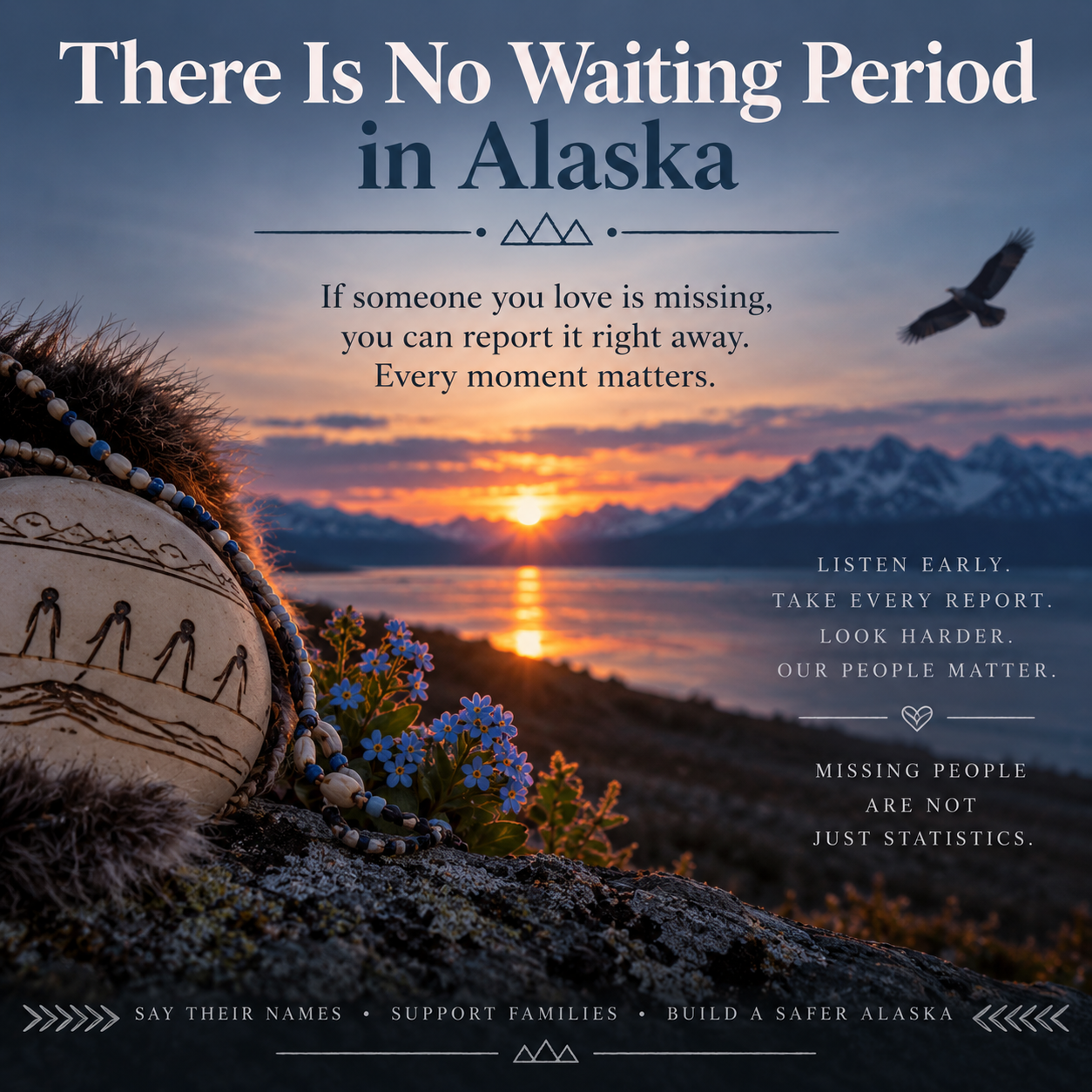
The Alaska Department of Public Safety states clearly that there is no waiting period to report someone missing. If you believe someone is missing, law enforcement should be contacted immediately. Early reporting can be critical to locating someone and advancing an investigation.
If circumstances suggest immediate danger, call 911.
If you have information concerning an older disappearance or homicide, do not assume investigators already know it. Do not decide that the information is too small to matter. Give the information to law enforcement and allow investigators to determine its significance.
Source: Alaska DPS — MMIP Resources and Reporting Information
Source: Alaska Missing Persons Clearinghouse
Why Qutekcak Native Tribe Says Their Names
For Indigenous communities, remembering has always mattered.
History survived because people remembered names, relatives, places, teachings, events, and stories and carried them forward.
We carry that responsibility today.
Qutekcak Native Tribe shares these names not to turn another family's tragedy into content, but to help ensure that these women remain visible.
We honor the families still searching.
We honor the families who received answers they never wanted.
We honor mothers who raised daughters they later had to bury.
We honor children who grew up without their mothers.
We honor sisters who still wonder.
We honor the communities that searched waterways, trails, roadsides, forests, tundra, campgrounds, and cities.
And we remember the women themselves.
Stella Anastasia Evon. LoriDee June Wilson. Florence Okpealuk. Mary Anne Alexie. Cassandra Boskofsky. Racheal Paige Cooeyate. Kelly Coopchiak. Pauline Elsie Geary. Marion Gonangnan. Theresa Johnny. Valerie Sifsof. Linda Louise Skeek. Michelle Terri Tugatuk. Ida Rose Jacomet. Karen Dean Evan. Sophie Sergie. Sonya Ivanoff. Kathleen Jo Henry. Veronica Abouchuk. Della Brown. Genevieve Tetpon. Vera Hapoff. Annie Mann. Angeline Dundas. Sandra Frye. Nancy Brower.
These are not all of Alaska's cases.
They are some of the names.
And each one is enough to remind us why this work matters.
When another headline replaces yesterday's story, we will remember.
When an anniversary passes with no answer, we will remember.
When an old case has gone years without public attention, we will remember.
When another Indigenous woman disappears, we will not ask whether her life is important enough to search for.
We already know the answer.