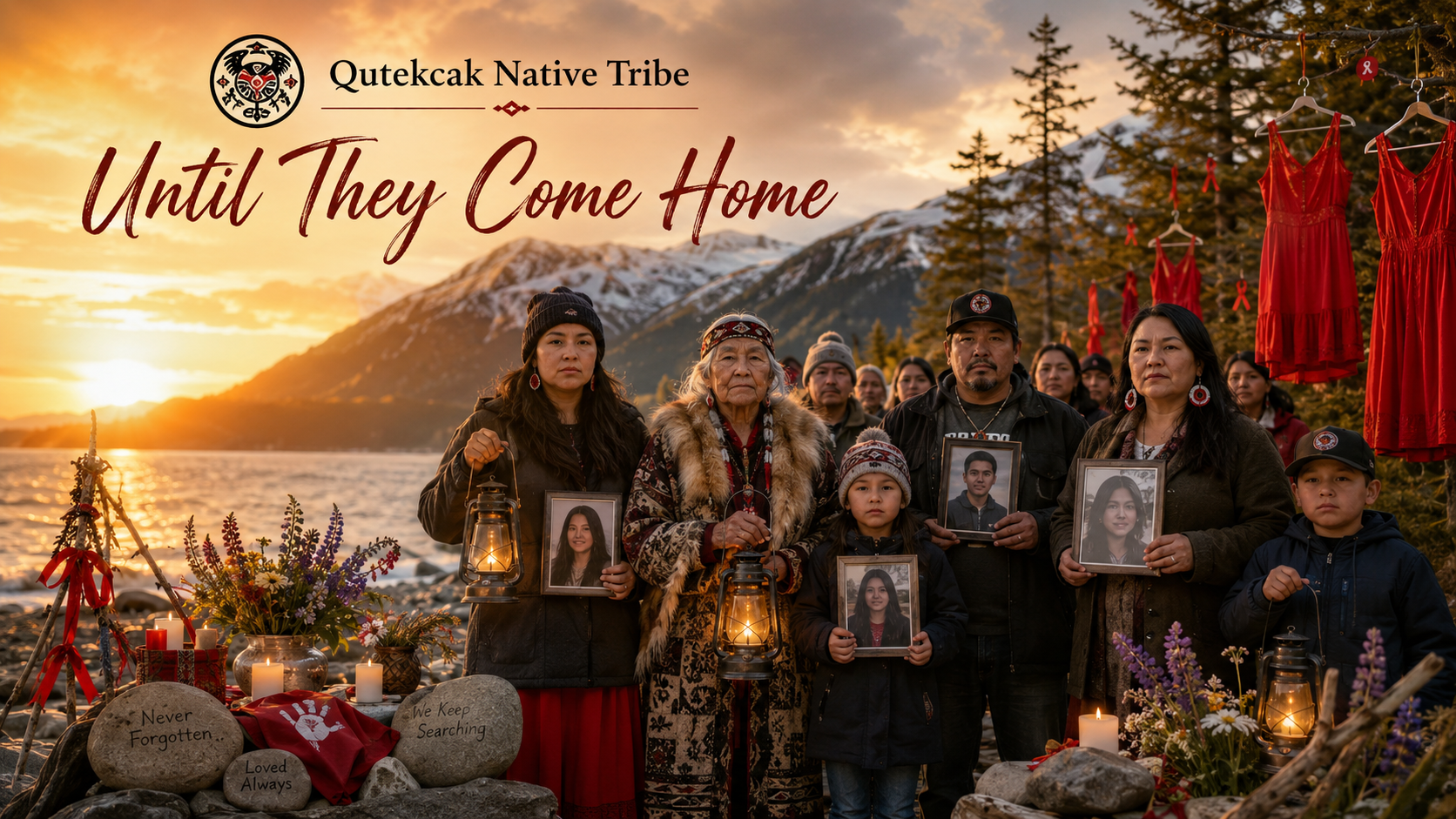
The Search Does Not End:
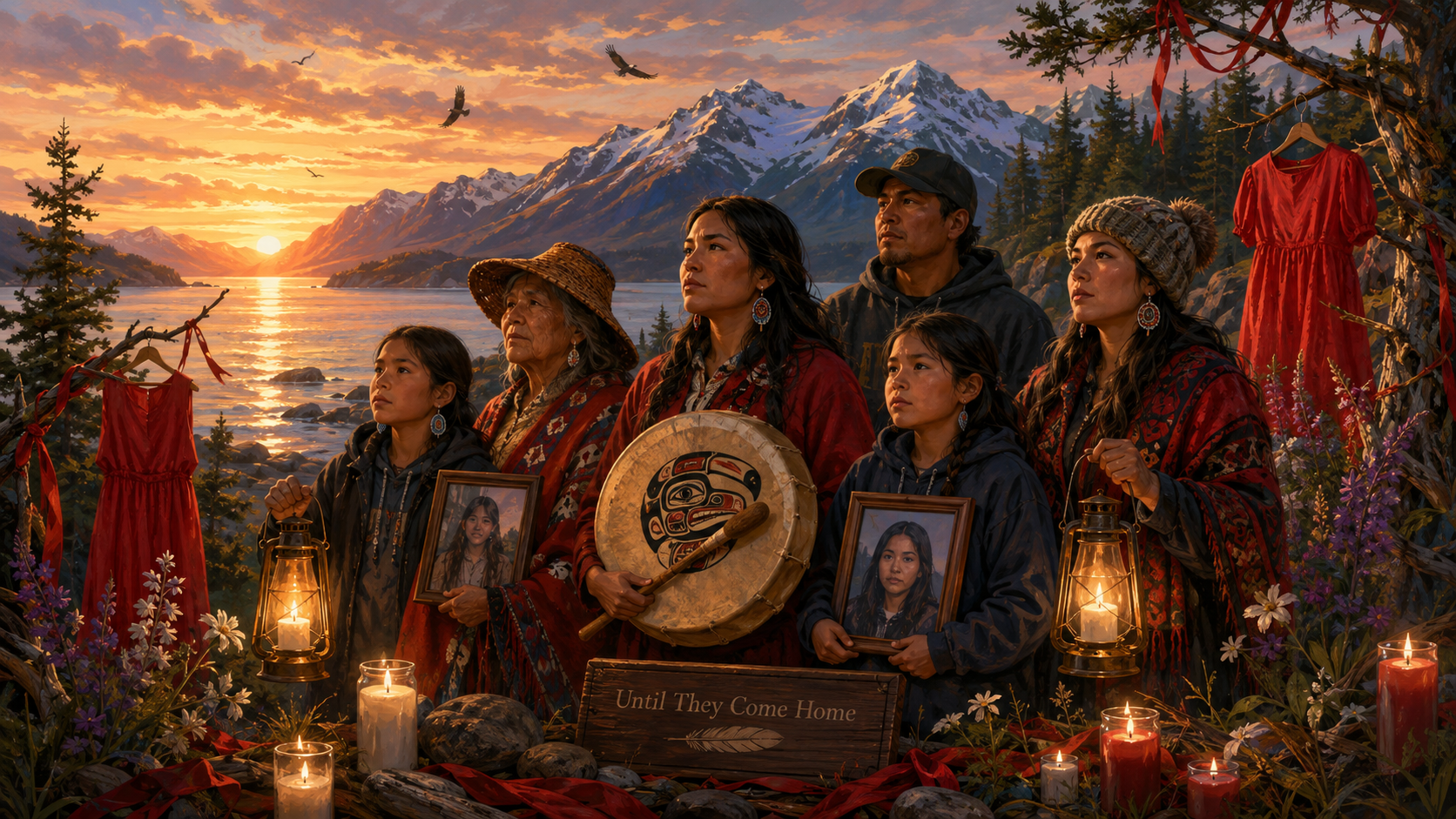
Standing With Families Until Their Loved Ones Come Home
Until They All Come Home — Not Forgotten: Qutekcak’s MMIP Blog
A missing person is never just a case number.
They are someone’s child.
Someone’s mother or father.
Someone’s brother or sister.
Someone’s auntie, uncle, cousin, grandparent, partner, friend, or neighbor.
They are part of a family, a community, and a story that does not suddenly stop simply because they disappeared.
For families of Missing and Murdered Indigenous Persons, the moment a loved one goes missing can divide life into two parts: before they disappeared and everything that came after.
And everything that comes after can be exhausting.
After the Report Is Filed
In our last blog, we talked about how important the first hours are when someone goes missing.
Report them immediately.
Gather information.
Share photographs.
Document everything.
Stay organized.
But filing the report is only the beginning.
For many families, the days that follow become filled with phone calls, searches, social media posts, flyers, questions, tips, interviews, sleepless nights, and the constant hope that the next phone call will finally bring answers.
Families may find themselves repeating the same information again and again.
They may have to keep asking questions.
They may have to correct rumors or misinformation.
They may have to search places they never imagined searching.
And they may wake up every morning carrying the same question:
Where are they?
Families Should Not Have to Carry the Search Alone
When someone disappears, their family is already experiencing fear and uncertainty.
They should not also have to feel responsible for making the world care.
Communities can help.
We can share verified missing-person information.
We can attend searches when appropriate.
We can help distribute flyers.
We can provide meals, transportation, childcare, supplies, or other support to families involved in a search.
We can continue talking about a missing person even after the first wave of attention fades.
And perhaps most importantly, we can listen to families.
Sometimes support does not require knowing exactly what to say.
Sometimes it simply means saying:
We are still here.
We remember.
We are still searching with you.
Keep Saying Their Names
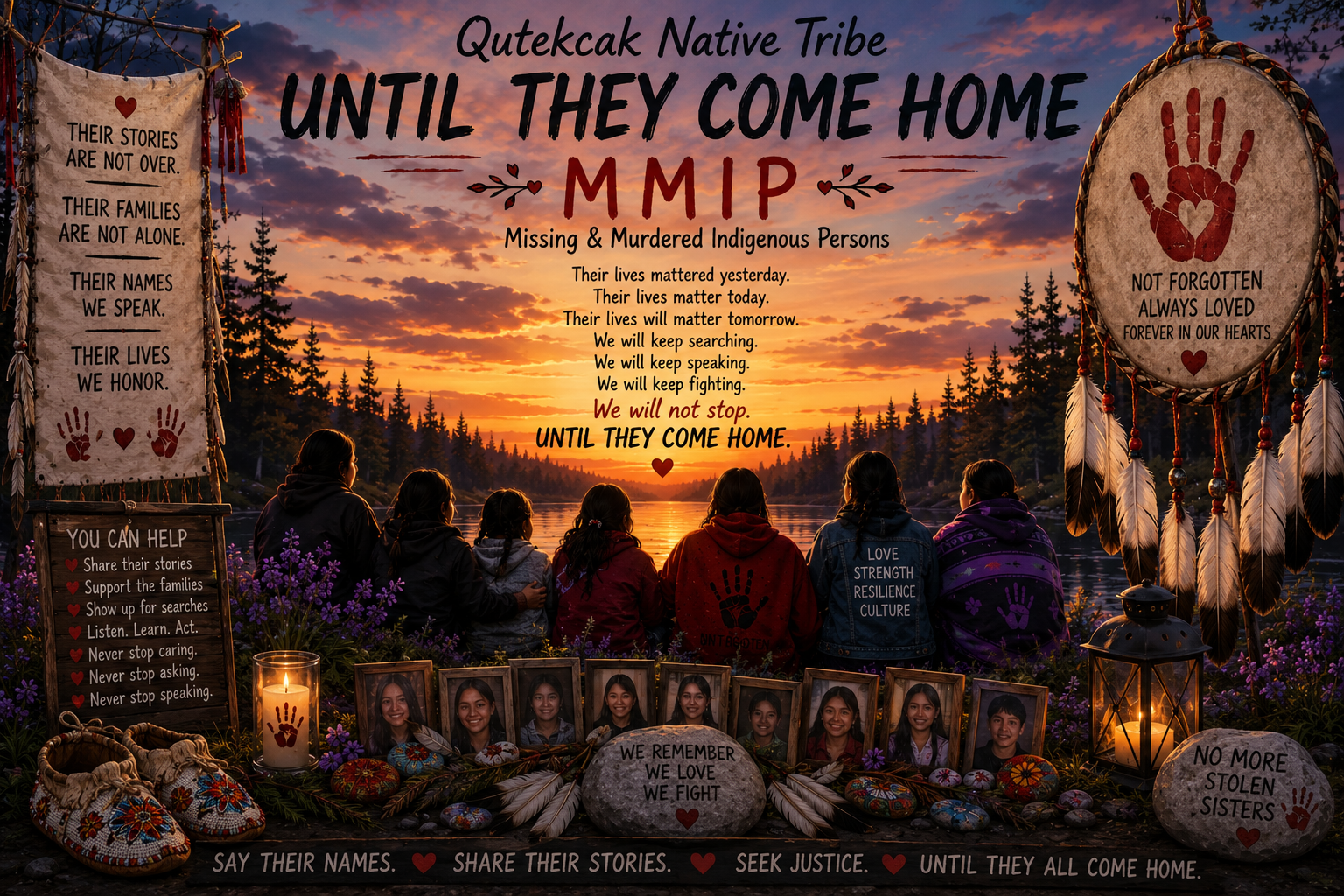
Attention often comes quickly when someone is first reported missing.
A photograph circulates.
A post gets shared.
People ask questions.
Then days become weeks.
Weeks become months.
Sometimes months become years.
The posts become less frequent.
The searches become smaller.
The public moves on.
But families do not.
There is still an empty chair at the table.
There is still a birthday.
There is still a phone number saved in someone's contacts.
There are still photographs hanging on walls.
There are still memories.
There is still hope.
This is why continuing to say their names matters.
A missing Indigenous person does not become less important because time has passed.
Remember the Person, Not Just the Disappearance
When we talk about MMIP, we must remember that every person had a life before they became associated with the word missing or murdered.
They laughed.
They loved.
They had talents.
They had favorite songs and foods.
They teased their siblings.
They hugged their children.
They had dreams.
They belonged somewhere.
Too often, the public learns about a person only after something terrible happens to them.
We want to remember something more.
Who were they?
What made them laugh?
What did they love?
What did their family love most about them?
What dreams were they carrying?
Those stories matter because MMIP is not only about statistics.
It is about people.
Protect the Family From Rumors
When a person goes missing, social media can be incredibly powerful.
It can spread information across communities in minutes.
But it can also spread rumors just as quickly.
Unverified claims can hurt investigations and cause tremendous pain for families.
Before sharing information, ask:
Is this information coming from the family, law enforcement, or another verified source?
Is it helpful to the search?
Could sharing it interfere with an investigation?
Could it cause additional harm to the family?
Supporting a family also means protecting them from unnecessary speculation.
Their loved one's disappearance is not entertainment.
It is not gossip.
It is their life.
Do Not Assume Someone Left Voluntarily
One of the most damaging reactions a family can hear is:
"Maybe they just left."
Perhaps they did.
Perhaps they did not.
Until the person is located and their safety is confirmed, assumptions should never replace a search.
A person deserves to be found.
Their family deserves answers.
And circumstances surrounding their disappearance deserve to be taken seriously.
Community Is Powerful
There is something powerful that happens when an entire community decides:
We will not forget.
One person shares a photograph.
Another hangs flyers.
Someone searches a trail.
Someone provides food for volunteers.
Someone notices a vehicle.
Someone remembers a conversation.
Someone sees a post three states away.
Someone recognizes a face.
One small action can become the piece of information that changes everything.
That is why awareness matters.
That is why sharing matters.
That is why community matters.
Until They Come Home
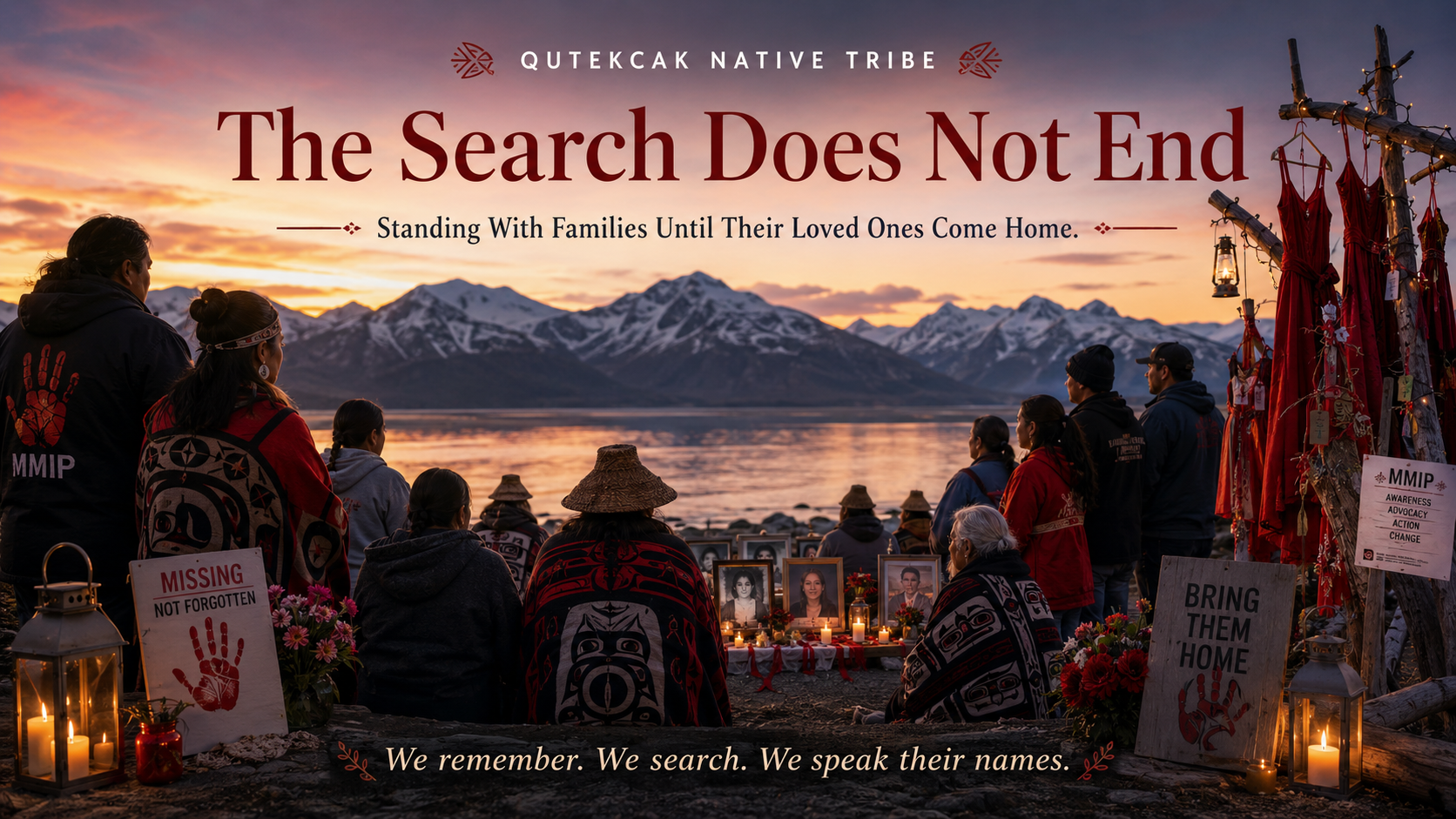
At Qutekcak Native Tribe, this blog exists because silence cannot be the final chapter of these stories.
We will remember those who are missing.
We will honor those whose lives were taken.
We will stand beside the families still waiting for answers.
We will continue educating our community.
We will continue encouraging people to speak up.
And we will continue saying their names.
Because behind every missing-person poster is a family waiting for someone they love.
Behind every photograph is a life.
Behind every name is a story.
And until answers come, the responsibility to remember belongs to all of us.
We remember.
We search.
We speak their names.
We stand with their families.
Until they all come home.
Not Forgotten.
Qutekcak Native Tribe — MMIP Awareness