
When the Search Ends Too Soon:
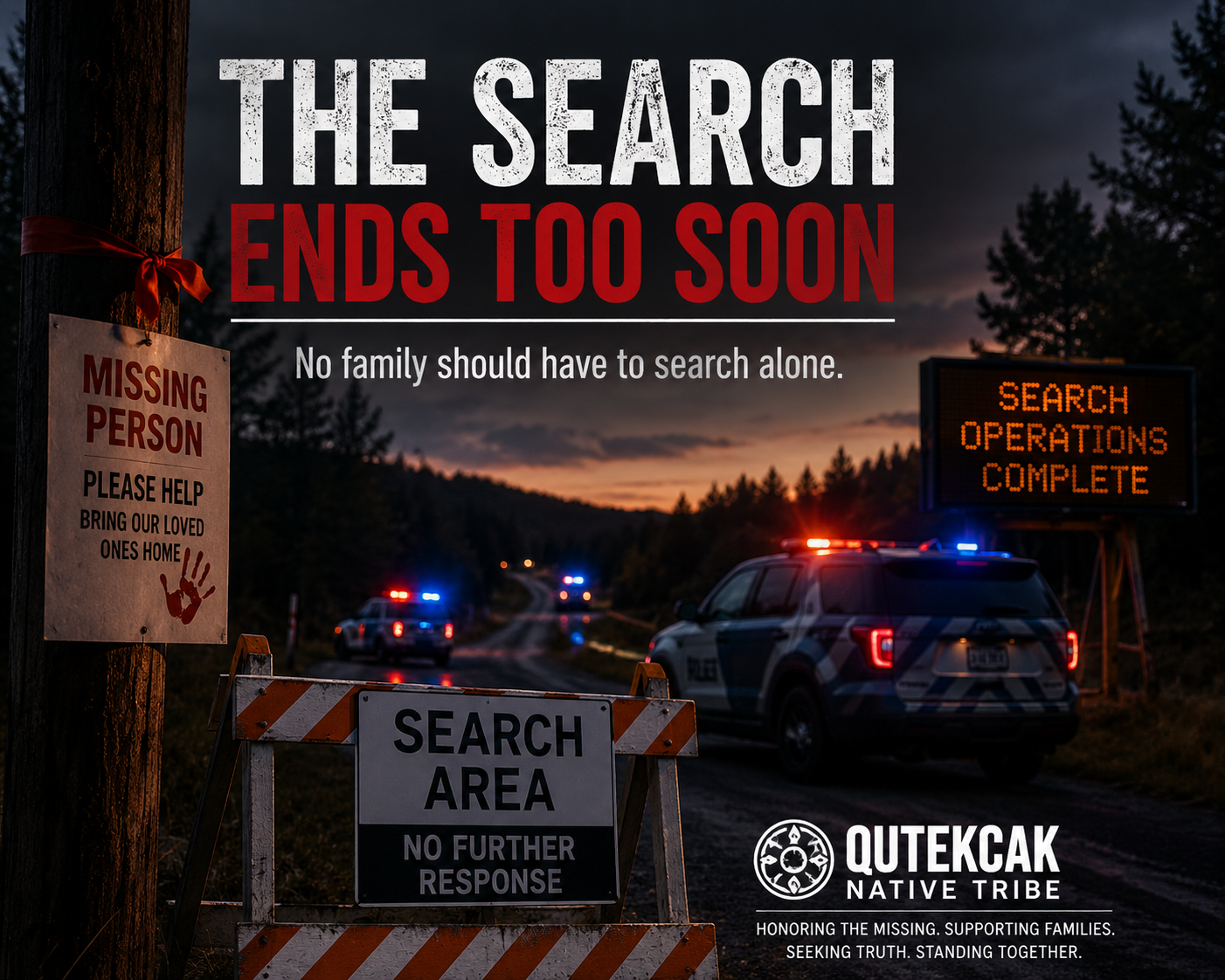
Why MMIP Families Keep Fighting
There comes a point in some missing-person cases when the search becomes quieter.
The flyers are no longer being shared as often.
The news cameras have moved on.
Fewer people are talking about the case.
Calls become less frequent.
Leads become harder to find.
And words like inactive, unsolved, or cold may eventually enter the conversation.
But inside the family, nothing feels cold.
Nothing feels finished.
Because their loved one is still gone.
For families of Missing and Murdered Indigenous People, time does not close the door on the questions.
A mother does not stop wondering where her child is because another year has passed.
A father does not stop replaying the last conversation.
A sister does not stop looking twice when someone in a crowd has the same walk.
A brother does not stop wondering whether one overlooked detail could change everything.
Children do not simply stop asking when someone is coming home.
And families do not stop loving someone because the rest of the world has stopped searching.
That is why MMIP families keep fighting.
The Search May Slow Down. The Family Cannot.
For an agency, a case may become one investigation among many.
For a family, it is the first thought in the morning and the question that follows them to bed.
Where are they?
What happened?
Did someone miss something?
Is there still a chance?
Does anyone still care?
There is no clock that tells a family when they are supposed to stop asking.
There is no expiration date on love.
And there should never be a point when the passage of time quietly turns a human being into paperwork sitting on a shelf.
A missing Indigenous person is not an old case.
They are a person whose family is still waiting.
They Had a Life Before They Had a Case Number
Before there was a report, there was a person.
There was a voice.
A laugh.
A place at the table.
Maybe there were children who depended on them.
Parents who expected a phone call.
Brothers and sisters who knew exactly how to make them laugh.
Friends who knew their favorite song.
Coworkers who expected them the next morning.
Plans that were never finished.
Every MMIP case represents an entire human life interrupted.
When we speak only in case numbers, statistics, dates, and investigative terms, it becomes easy to lose sight of the person at the center.
Qutekcak Native Tribe refuses to do that.
We will remember the person before the case.
When Families Have to Keep the Search Alive
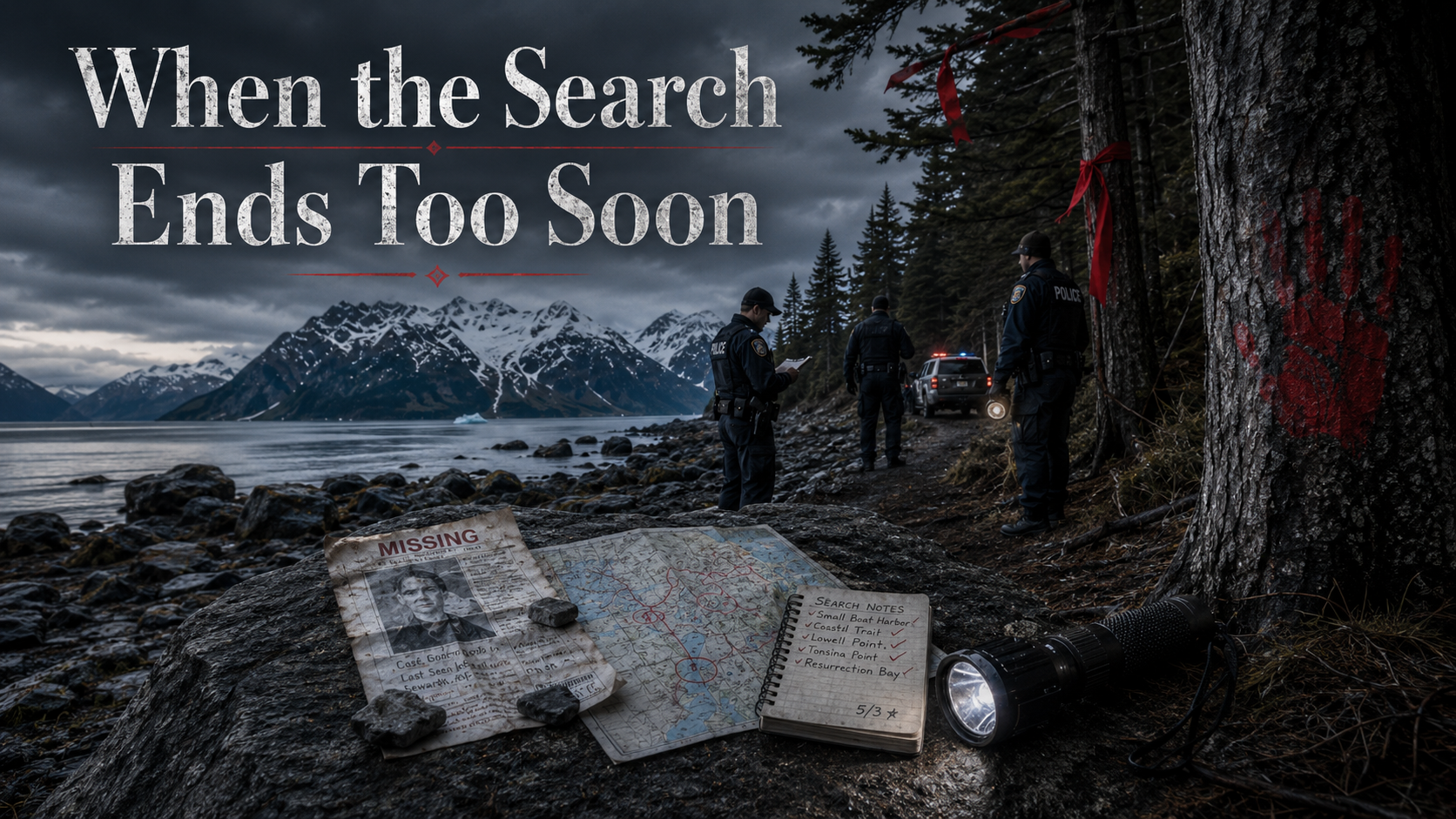
One of the most painful realities of MMIP is how often families become responsible for keeping attention on the disappearance themselves.
They make the flyers.
They manage Facebook pages.
They answer messages from strangers.
They organize searches.
They call agencies.
They contact reporters.
They collect screenshots.
They write down possible sightings.
They keep timelines.
They ask whether tips were followed.
They call again when nobody calls back.
They learn terminology they never wanted to know.
They learn how investigations work because they are afraid that if they do not understand the system, something important may be missed.
And underneath all of it is one terrible fear:
If we stop pushing, will everyone else stop too?
No grieving family should have to carry that weight alone.
They should not have to become investigators simply because they love someone enough to keep looking.
A Family Should Never Have to Beg for Urgency
Imagine someone you love disappears.
Now imagine having to convince people that the disappearance deserves attention.
Imagine calling again and again.
Explaining the same details.
Retelling the worst day of your life.
Wondering which agency has which information.
Wondering whether a lead was followed.
Wondering whether one department spoke to another.
Wondering whether the person answering the phone understands that while this may be another case in their workload, this is your child, your parent, your sibling, your relative.
Families should not have to prove that their loved one is worthy of being searched for.
A person's circumstances should not determine the value placed on their life.
Whether someone struggled with addiction, experienced homelessness, had contact with law enforcement, lived with mental-health challenges, was in an unsafe relationship, or simply lived a complicated life does not make them disposable.
People are more than the hardest chapter of their story.
They still deserve to be found.
Jurisdiction Cannot Become a Place Where People Disappear
MMIP cases can become complicated quickly.
Tribal governments, municipal law enforcement, Alaska State Troopers, federal agencies, and other jurisdictions may all have roles depending on where a person disappeared and the circumstances involved.
Those systems may have different responsibilities.
But a grieving family should not have to become an expert in jurisdiction just to understand who is looking for the person they love.
A family should never be left asking:
Who is leading this investigation?
Who has the evidence?
Who received the tip we reported?
Was that information passed along?
Who is supposed to follow up?
Who can tell us what happens next?
When several agencies are involved, communication becomes more important — not less.
Because a missing person cannot be allowed to disappear into the space between systems.
Every Handoff Matters
Sometimes the most dangerous word in a complex case can be assumed.
Someone assumed another agency received the information.
Someone assumed another investigator followed the lead.
Someone assumed the family had been contacted.
Someone assumed the information was already entered somewhere.
Someone assumed someone else was handling it.
Meanwhile, a family waits.
Every handoff matters.
Every tip matters.
Every returned phone call matters.
Every piece of information deserves to reach the people who need it.
The family should never be the only thing connecting all the pieces together.
When a Case Becomes “Cold”
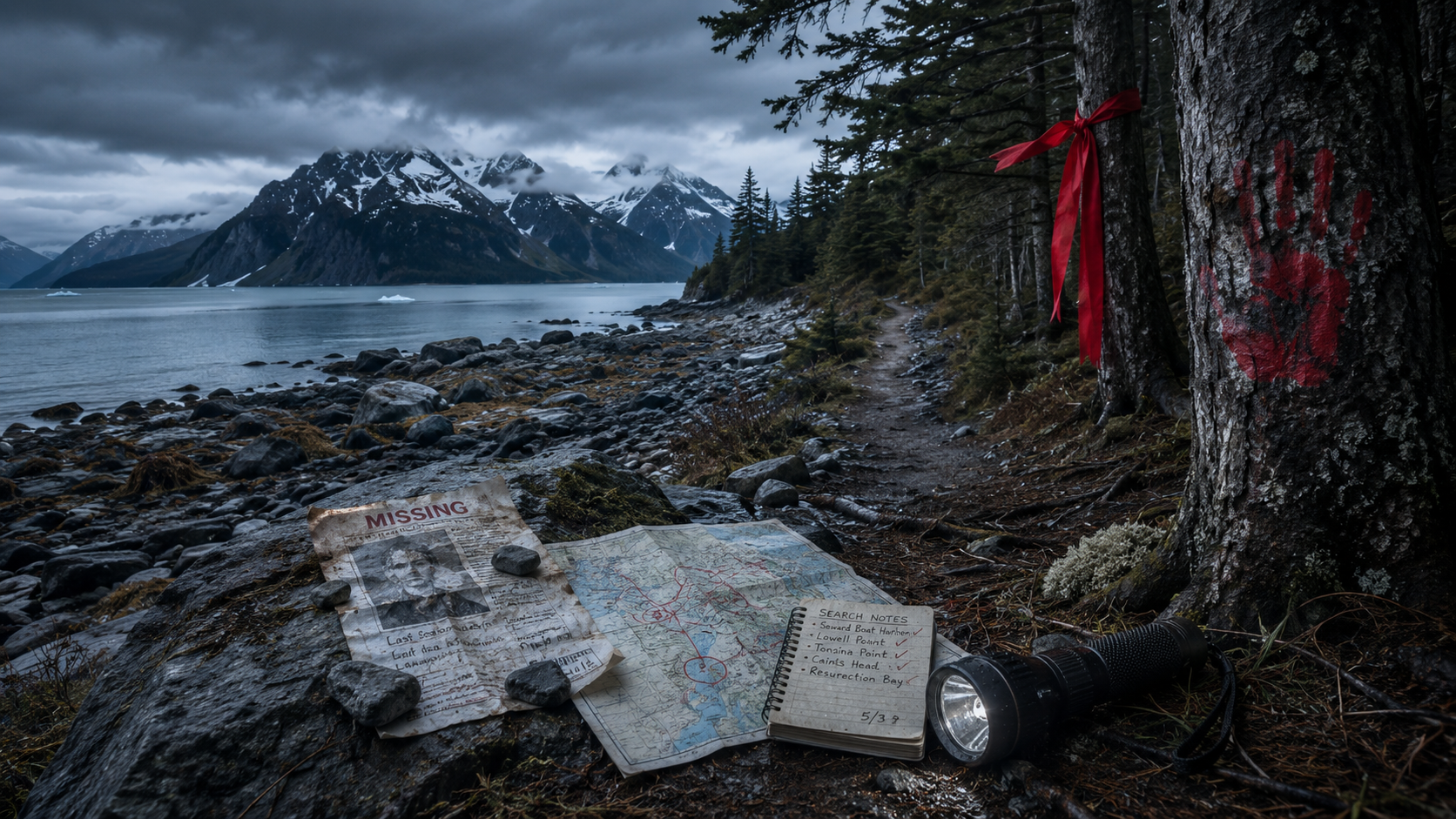
A cold case is still someone's loved one.
The terminology may describe the status of an investigation.
It does not describe the love surrounding the person.
There is nothing cold about a mother keeping her child's photograph beside her bed.
There is nothing cold about a sibling still checking old messages.
There is nothing cold about a child growing older without knowing what happened to a parent.
There is nothing cold about a family marking another birthday without answers.
Some families have waited years.
Some have waited decades.
Time may change the investigation.
It does not make the unanswered questions less important.
And sometimes one new witness, one piece of evidence, one renewed review, or one person finally deciding to speak can change what was once believed to be unsolvable.
That is why families keep asking.
“Have You Heard Anything?”
There is a particular pain in being asked that question year after year.
Have you heard anything?
And having to answer:
No.
No new information.
No explanation.
No location.
No arrest.
No remains returned.
No certainty.
No goodbye.
For families living with unresolved disappearance, grief does not follow the same path as other loss.
How do you accept a death that has never been confirmed?
How do you stop hoping when there is still a possibility?
How do you move forward without feeling like you are leaving someone behind?
Families can live for years suspended between hope and grief.
That uncertainty deserves compassion.
The Community Has a Role After the Search Party Goes Home
Community responsibility does not end when organized searches stop.
We can continue sharing accurate information.
We can remember anniversaries.
We can support families.
We can pay attention when cases receive renewed attention.
We can encourage people with information to come forward.
We can refuse to spread rumors that hurt families or interfere with investigations.
And most importantly, we can continue saying the names.
Within Native communities, remembrance has always carried power.
We remember through stories.
Through photographs.
Through family.
Through gathering.
Through prayer.
Through speaking the names of those who are no longer standing beside us.
That remembrance says something important:
You belonged here.
You still belong to us.
You have not been erased.
Qutekcak Stands With the Families Who Refuse to Stop
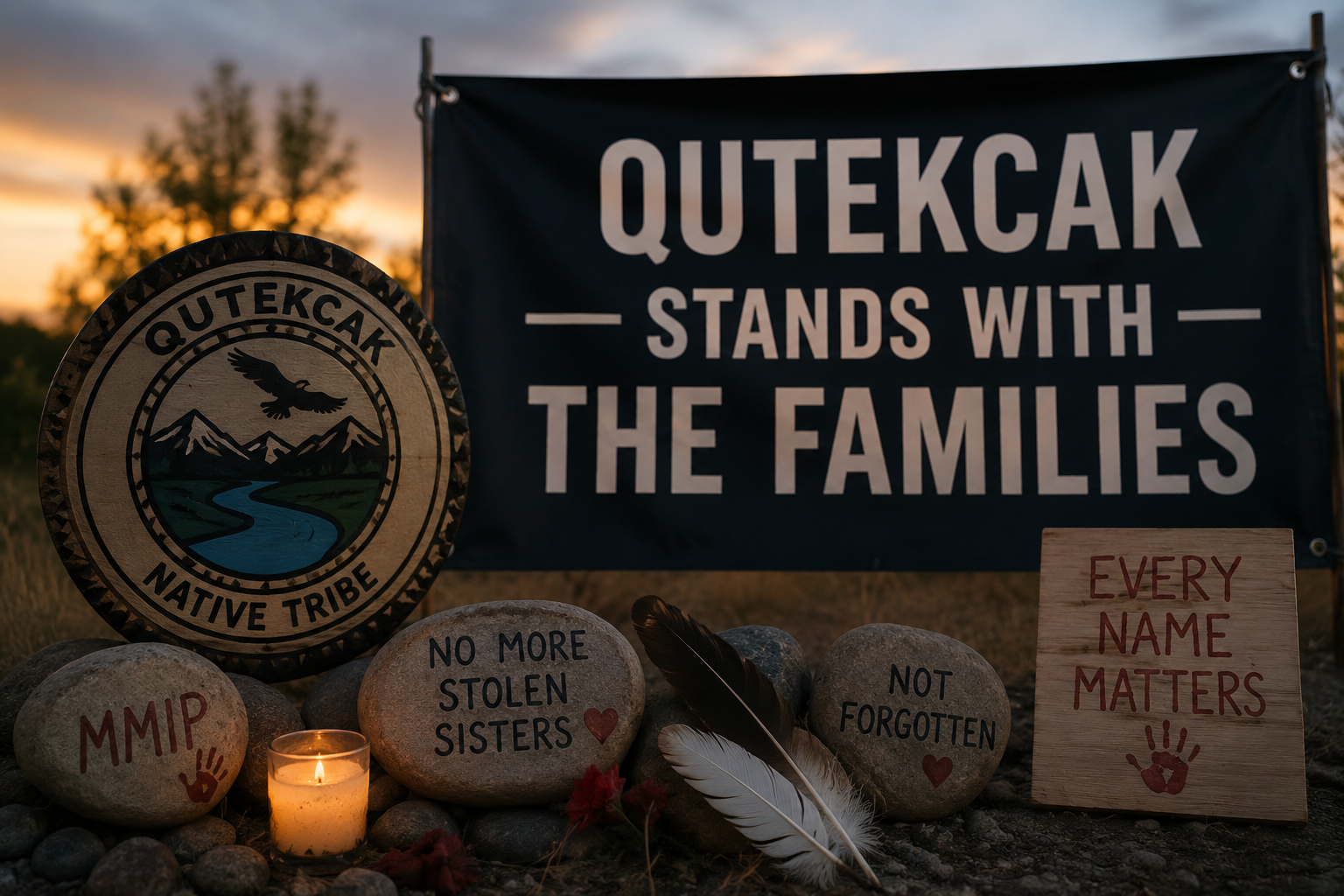
At Qutekcak Native Tribe, we understand that MMIP is not simply something that exists in federal reports, databases, news stories, or national statistics.
It lives inside families.
It lives at kitchen tables where someone is missing.
It lives in unanswered phone calls.
It lives in photographs families keep close.
It lives in children who grow up asking questions.
It lives in relatives who continue searching long after public attention has disappeared.
And it lives in communities that refuse to forget their people.
We stand with the families who keep making the calls.
The families who keep asking questions.
The families who keep sharing the photograph.
The families who refuse to accept that the passage of time means the disappearance matters less.
The families who continue saying:
Someone knows something.
Someone remembers something.
There is still an answer somewhere.
The Search Is Not Over Because the Headlines Are
There may come a day when the search is no longer visible to the public.
But somewhere, a family is still searching.
Somewhere, someone still keeps the porch light on.
Somewhere, a phone number remains saved.
Somewhere, an empty chair still belongs to someone.
Somewhere, a family still wonders whether today will finally be the day the phone rings.
We cannot promise every family the answer they are desperately seeking.
But we can refuse to let silence become forgetting.
No Indigenous person should quietly become another unresolved number.
No family should have to fight alone to keep a loved one's name alive.
No jurisdictional boundary should become a place where responsibility disappears.
And no amount of time should convince us that a person matters less than they did the day they vanished.
Until there are answers.
Until families have truth.
Until every name is remembered.
Until they all come home.
Not Forgotten: Qutekcak's MMIP Blog
The search may grow quiet. Our remembrance will not.
